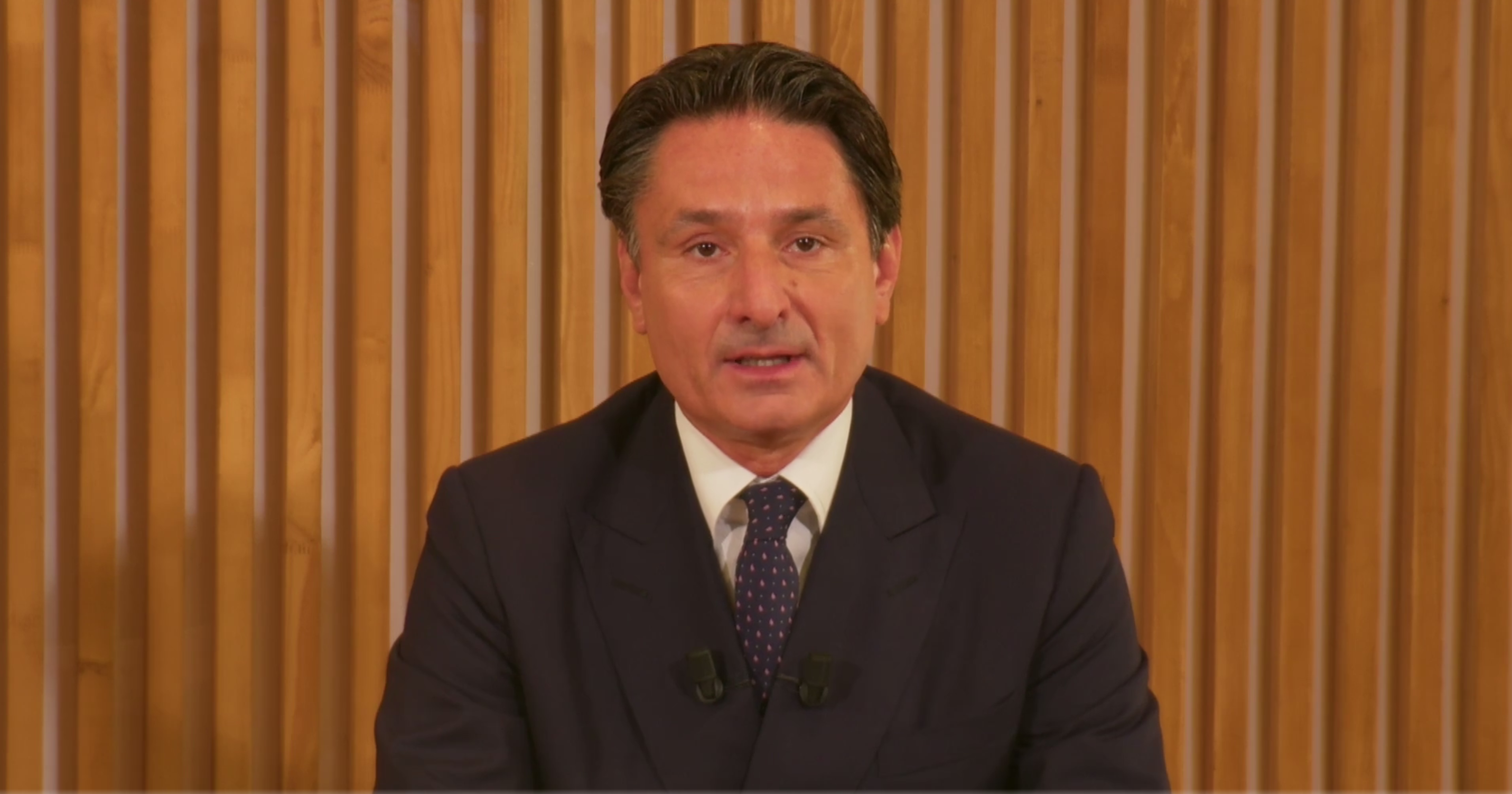
On May 28, at the 2026 Annual General Meeting of Kering, the French luxury conglomerate, the outlook for the Chinese market was a focal topic. During his strategic presentation and the shareholder Q&A session, Group CEO Luca de Meo elaborated in detail on his assessment of the current stage of the Chinese market, his views on competition from Chinese domestic brands, and Kering’s recent strategic initiatives in China.
Kering’s management believes that China remains a key market; however, the logic of growth is shifting from a reliance on “store expansion” to an emphasis on “brand desirability” and “relevance to local culture.”
.jpg.jpeg)
From a performance perspective, the Asia-Pacific region’s share of Kering’s total revenue declined by two percentage points to 29% in 2025. Entering the first quarter of 2026, management noted that the region has already shown sequential improvement.
In his strategic remarks, Luca de Meo described the Group’s perspective on China as follows: “China will of course remain a key market for our industry, but it is entering a new phase—one that is more demanding, more selective, and more rooted in local culture. Growth will be more focused on quality, less reliant on the expansion of store networks, and increasingly driven by brand desirability and relevance to local culture.“
When discussing emerging markets such as India, he distinguished China by describing it as “a much more mature market“.
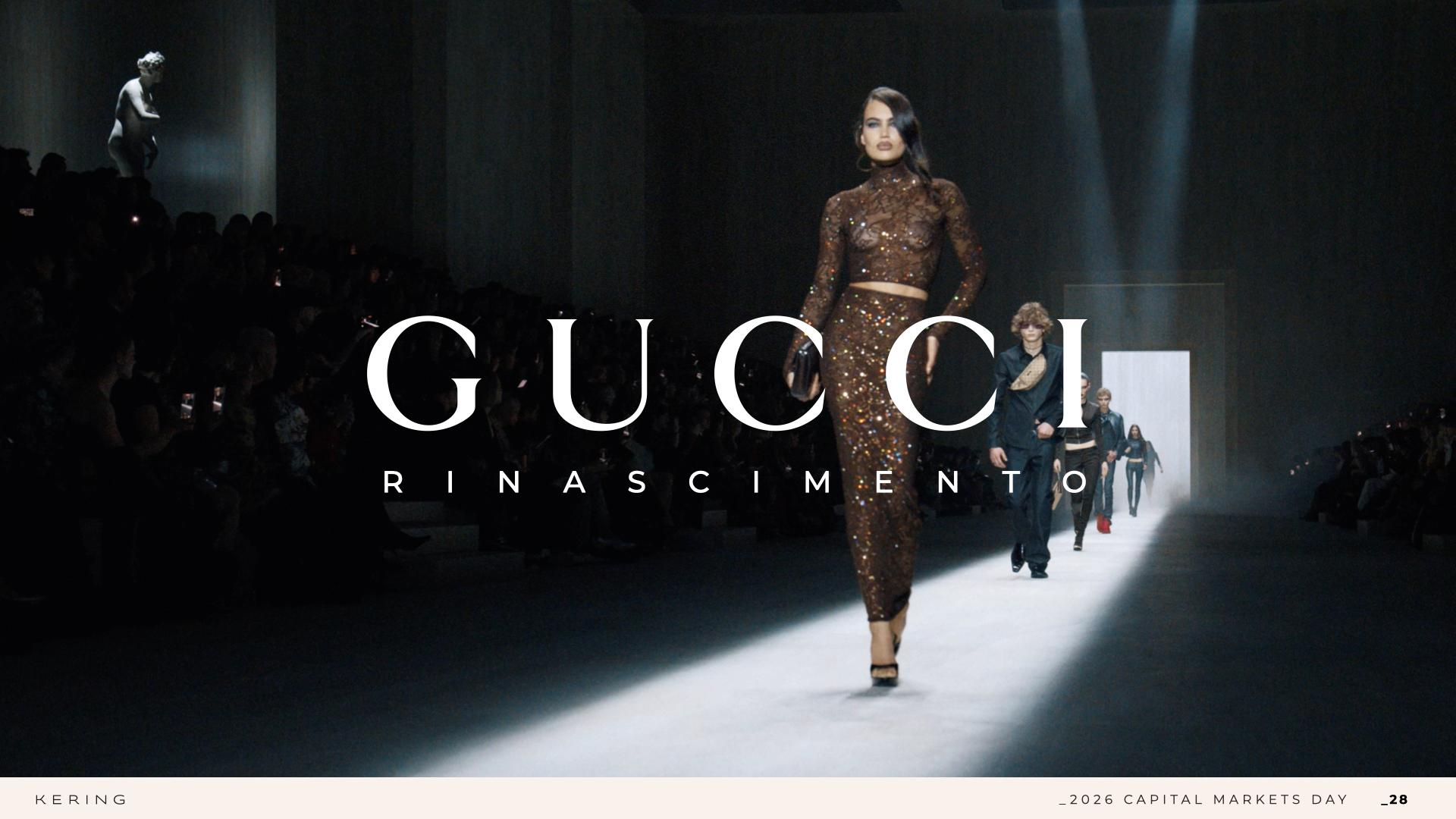
This assessment is also reflected in the development roadmap of Kering’s brands. Taking Saint Laurent as an example, he stated that “we are creating the conditions for Saint Laurent to double its business in Asia by 2030—by increasing local relevance, enhancing visibility, and especially focusing on China, so that Saint Laurent can truly engage in dialogue with China and gain full recognition in this market.”
When asked by shareholders about competition from Chinese domestic companies entering the luxury sector, Luca de Meo offered a relatively open response: “Even beyond the luxury industry, there is a broader concern about competition from China. I previously worked in the automotive industry, and as you know, China is no longer just a manufacturing base—it is also a place of innovation. There is talent, capability, and quite impressive technology.“
“I have a sense, and some data also suggests, that there is a growing pride in Chinese culture within the Chinese market, which will enable many local brands to grow. I am still not entirely convinced that Chinese brands will ‘invade’ other markets as they have in other industries, because I believe luxury is deeply tied to its respective culture.”
He also underscored the long-term importance of the Chinese market: “China has given us a great deal over the past 20 to 25 years. It is a market from which all major luxury groups have benefited, and it will remain an extremely important one.”
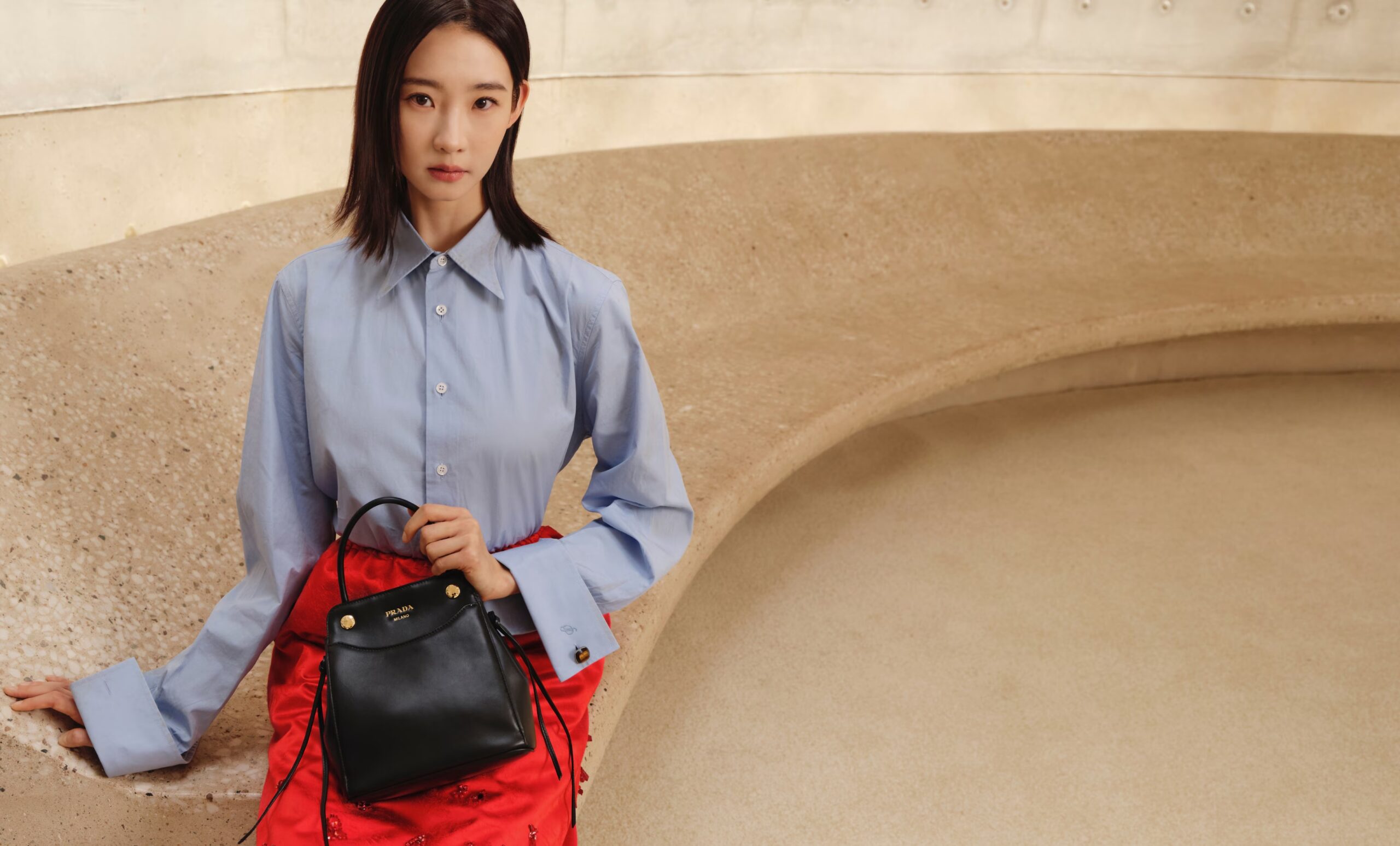
Discussing the Group’s investment in the Chinese premium apparel brand ICICLE, he said that “our partnership with ICICLE is also a way of giving back to China; along with our craftsmanship initiatives, through which we invite young Chinese designers to understand how heritage luxury houses create luxury. This is our way of giving back to a market that has given us so much, and it significantly enhances our credibility within the local ecosystem.”
“As for ICICLE, I would say it is a very good company and a strong business, because it opens a window into understanding the Chinese ecosystem. It helps us understand Chinese consumers’ mindset, the ecosystem behind it, and what we need to do. It is indeed helping our business in China.“
Management also added that the investment in ICICLE is not Kering’s first move into the Chinese market through equity participation. As early as the 2010s, the Group had made a similar move in the jewelry sector by acquiring the Hong Kong-based jewelry brand Qeelin.
Addressing competition, Luca de Meo concluded that “competition is part of the game in business. We just need to do better—not only better than Chinese competitors, but better than all competitors who are challenging us.”

|Source: Kering Annual General Meeting
|Image Credit: official website
|Editor: Luxeplace