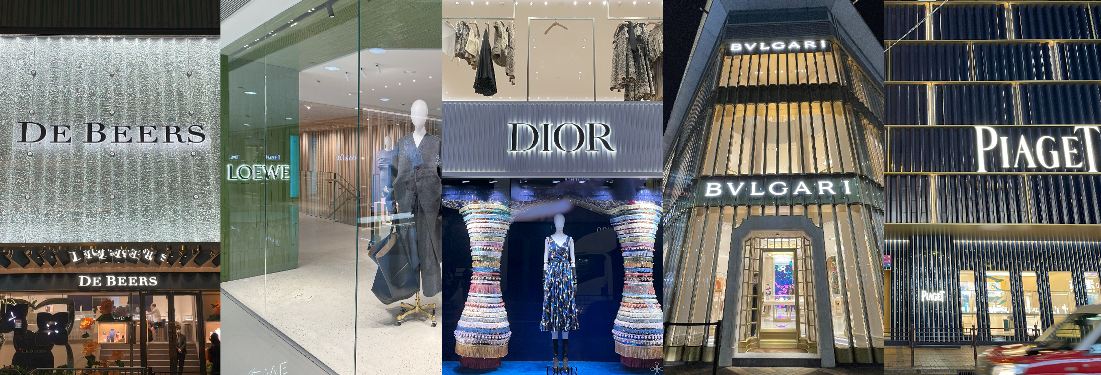
“We have observed steady and sustained growth in Hong Kong’s luxury market over the past 12 to 18 months.”
When discussing whether Hong Kong’s luxury retail market has truly recovered, Alexander Li, Director and Head of Retail Property at Hongkong Land, shared his front-line observations with Luxe.CO.
Over the past year, Luxe.CO has visited Hong Kong multiple times and clearly sensed an increase in offline activities among luxury brands, particularly in store upgrades and event initiatives.
From a data perspective, the 2025 “China Luxury Brand Power Ranking” recently released by LuxeCO Intelligence shows that Hong Kong ranks among the top three Chinese cities in terms of the number of newly opened luxury brand stores, rising six places compared with 2024. Hong Kong also ranks second among cities with the most high-profile store renovations.

Luxury Group Executives Highlight Hong Kong
In the financial reports and analyst conference call transcripts of several luxury groups, Luxe.CO has also noted numerous positive comments regarding the Hong Kong market.
For example, Nicolas Bos, Chief Executive Officer of Richemont, stated during the results presentation for the first half of fiscal year 2026 (ending September 30, 2025), “Chinese consumers are returning to Hong Kong from other overseas markets.”
Armelle Poulou, Chief Financial Officer of Kering, said during the full-year 2025 earnings call, “The Asia-Pacific region showed a clear rebound in the fourth quarter of fiscal year 2025, with Hong Kong being one of the key contributors.”
Roberto Eggs, Chief Commercial Strategy and Global Market Officer of Moncler Group, also noted that the Group performed well in Hong Kong in 2025. Ahead of the Chinese New Year, Luxe.CO observed heavy foot traffic in front of Moncler’s store while visiting the IFC Mall in Hong Kong, owned by Sun Hung Kai Properties.
Chow Tai Fook Jewellery Group reported that same-store sales in Hong Kong and Macau rose by 4.4% in the first half of fiscal year 2026 (ending September 30, 2025). Management commented, “The growth was mainly driven by improved retail sentiment and a rebound in foot traffic.”
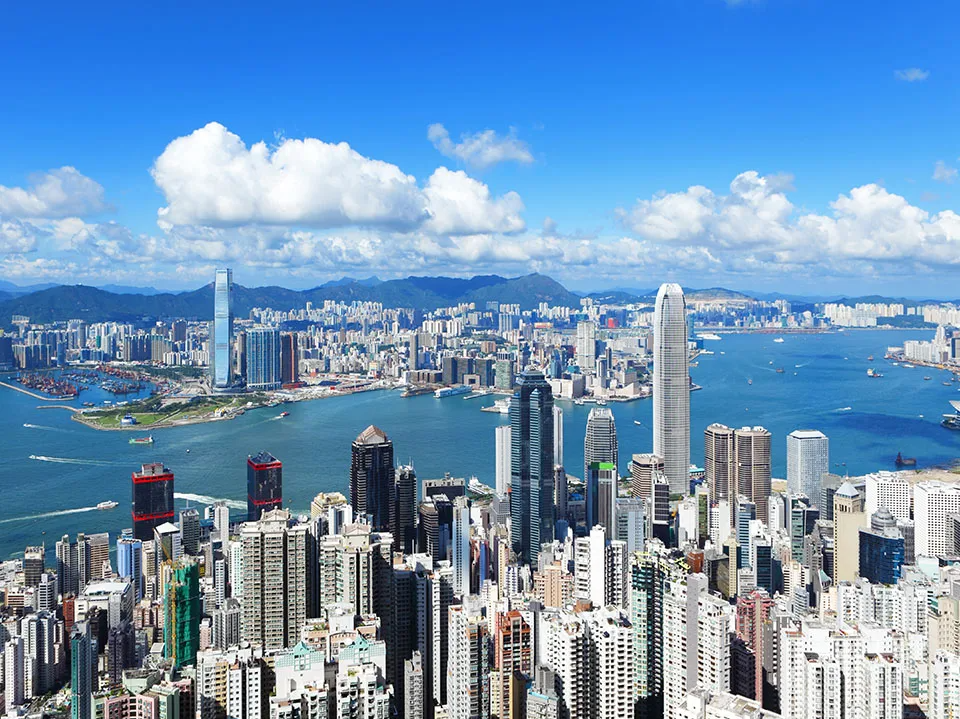
Luxury Brand Stores in Hong Kong Enter a New Phase of Expansion and Upgrading
At Prince’s Building in Central, Cartier is currently undergoing renovation behind hoardings. Nearby at LANDMARK, the first Louis Vuitton Maison in Asia is also under renovation hoardings. By the end of last year, Prada, Saint Laurent, Patek Philippe, and Miu Miu had all completed expansions, with their new stores tripling in size.
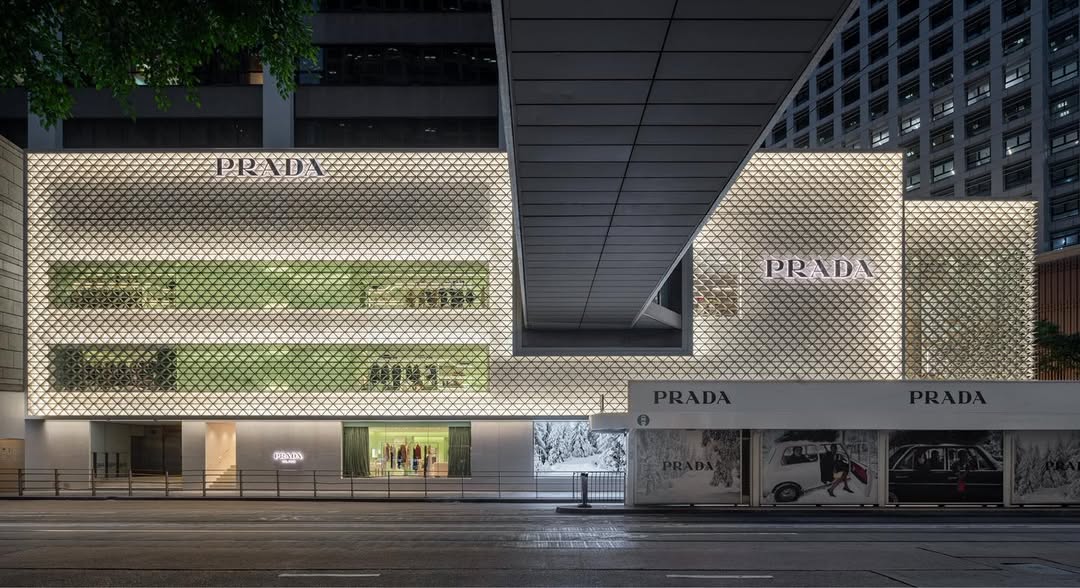
Prada’s LANDMARK flagship store, the brand’s largest flagship in the Asia-Pacific region
At Lee Gardens in Causeway Bay, stores for Hermès, Chanel, Dior, and Louis Vuitton have all completed expansions and renovations, opening three-storey street-facing flagship boutiques. Tiffany & Co.’s new three-storey store is also under renovation hoardings.
At K11 Musea in Tsim Sha Tsui, Van Cleef & Arpels has upgraded to a two-storey boutique, while Audemars Piguet has unveiled its newly renovated AP HOUSE. In addition, Louis Vuitton’s new flagship store—spanning more than 3,700 square meters—will become one of the brand’s largest boutiques in the Asia-Pacific region. Brunello Cucinelli and Balenciaga are also undergoing intensive renovations, both upgrading to large two-storey stores.
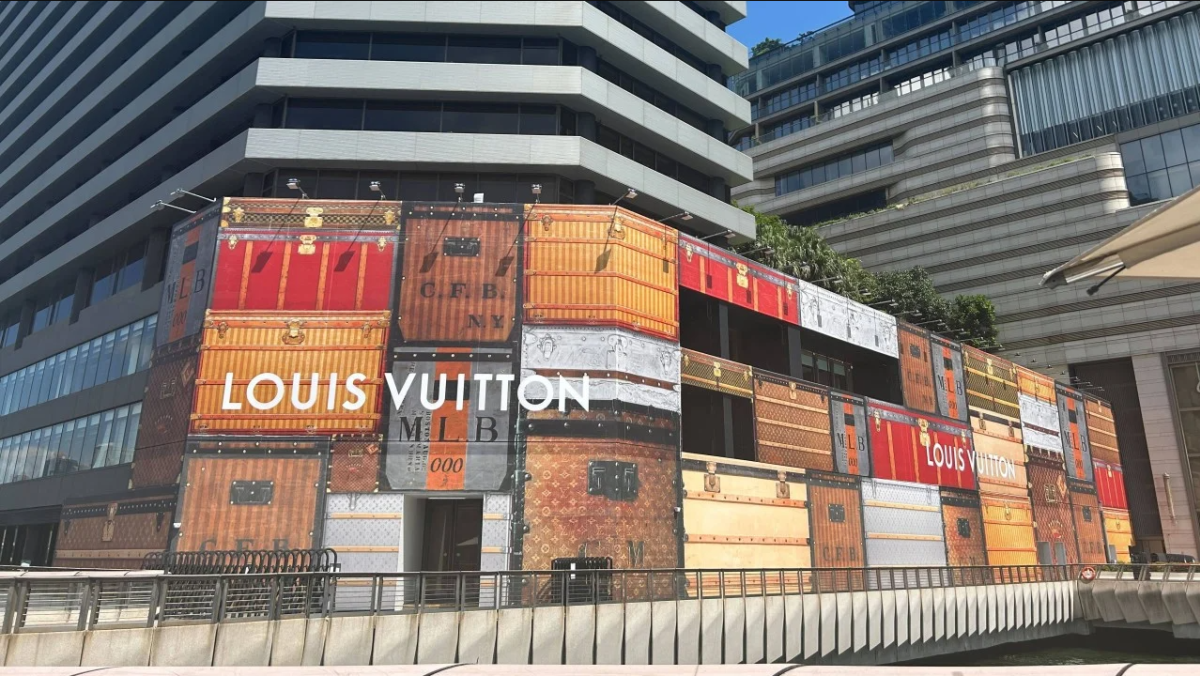
The Louis Vuitton flagship store at K11 Musea in Hong Kong under renovation hoardings
At Harbour City, Hong Kong’s largest shopping mall owned by Wharf Real Estate Investment Company, Louis Vuitton’s Hong Kong flagship has expanded to four floors. Lao Pu Gold has opened two brand stores on the same level in opposite units.
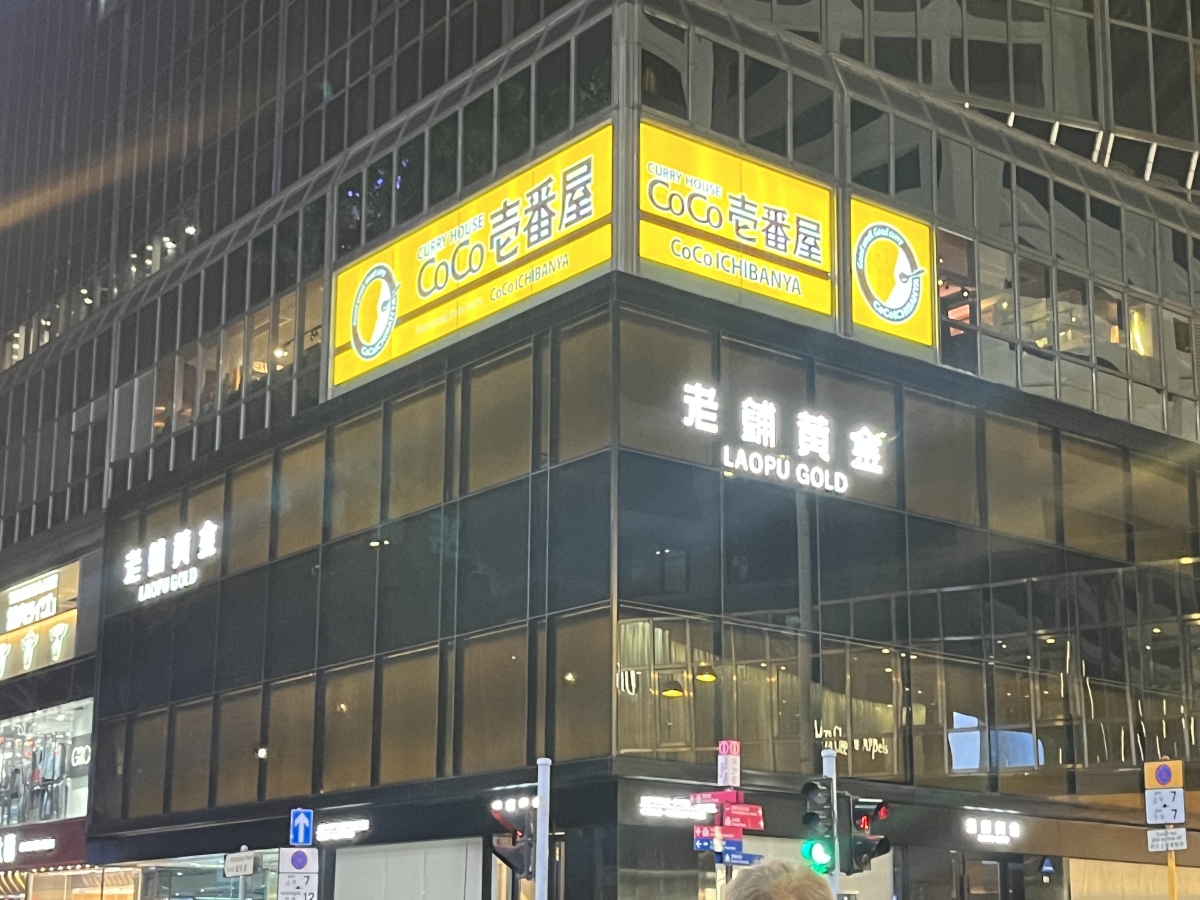
Lao Pu Gold at Harbour City
Investment bank Morgan Stanley noted in a report that the growth of duty-free shopping in the Chinese Mainland and inbound tourism could impact luxury sales in Hong Kong’s major malls. Therefore, increased investment and upgrading by luxury brands in the Hong Kong market have become inevitable.
Alexander Li stated, “The development of the luxury retail industry in the Chinese Mainland has elevated the overall taste and expectations of Mainland consumers, which is undoubtedly beneficial for Hong Kong. Today’s consumers are highly sophisticated, having experienced world-class retail environments across the globe. This has prompted brands and landlords in Hong Kong to continuously raise standards in scale, design, and depth of experience.”
In recent years, Hongkong Land’s most significant upgrade project has been the USD 1 billion “Tomorrow’s CENTRAL” initiative. As part of this comprehensive three-year transformation plan, ten luxury brands and auction houses—including Cartier, Chanel, Dior, Hermès, Louis Vuitton, Prada, Saint Laurent, Sotheby’s, Tiffany & Co., and Van Cleef & Arpels—have committed to jointly investing USD 1 billion with Hongkong Land to upgrade the retail property portfolio and expand store spaces within its malls.
According to Hysan Development’s 2025 annual results, the “Lee Gardens for the Next Century” upgrade plan, launched in early 2023, has entered its harvest phase and delivered significant results. In 2025, revenue from its retail property business in Hong Kong increased by 1.5% to HKD 1.704 billion, while turnover-based rent reached HKD 118 million, with renewal rents continuing to rise.
The Group noted that flagship stores, including Hermès, Dior, Cartier, Tiffany & Co., and Louis Vuitton, have reopened following renovations and expansions, offering customers a refreshed retail experience and further reinforcing Lee Gardens’ reputation as a must-visit destination in the city.

Chanel at Lee Gardens
What Is Driving the Recovery of Hong Kong’s Luxury Retail Market?
— A Stronger Stock Market and a Rebounding Property Market
Alexander Li told Luxe.CO that the recovery of Hong Kong’s luxury retail market is multi-dimensional and influenced by various factors. “From a retail perspective, consumer confidence has strengthened, likely benefiting from the strong performance of the stock market and the rebound in the property market. LANDMARK’s core customer base consists primarily of local residents, who have also benefited from these trends. Sales from LANDMARK’s top 3,000 customers, who account for 80% of total sales, increased by 8% year-on-year in 2025.”
Over the past year, technology start-ups and consumer goods companies from the Chinese Mainland have flocked to list in Hong Kong, driving robust performance in the city’s IPO market. According to the “2025 Listing Committee Report” released by Hong Kong Exchanges and Clearing Limited, there were 119 new listings during the year, representing a 68% increase compared with 2024.
International consultancy KPMG noted that A+H share listings were the core driver of Hong Kong’s equity market in 2025 and expects this trend to continue over the next one to two years. The firm forecasts that Hong Kong’s IPO fundraising could reach HKD 350 billion in 2026, maintaining its position among the global top three.
The property market has also shown signs of recovery, mainly supported by stamp duty concessions, lower interest rates, and rental demand from new immigrants, including those holding One-way Permits and Top Talent Pass Scheme visas. Morgan Stanley’s latest report indicates that Hong Kong’s property market is entering an upward cycle, while Citibank expects home prices to rise by 8% this year.
The dual recovery of the stock and property markets is expected to boost wealth among local residents and new immigrants, representing a significant positive factor for the luxury retail sector.

During the Chinese New Year, K11 Musea in Hong Kong was crowded with visitors
— Influx of Top Talent, Affluent Immigrants, and Family Offices
Since launching a series of talent admission schemes in 2022, including the Top Talent Pass Scheme, Hong Kong has successfully attracted a substantial number of international high-calibre professionals. As of the end of August 2025, 230,000 top talents had settled in Hong Kong, accounting for approximately 3% of the total population.
According to the Hong Kong SAR Government’s “2025 Policy Address,” these talents are primarily engaged in innovation and technology, finance, and related sectors. In terms of monthly income, 95% earn more than the local median income of over HKD 20,000, and 50% earn nearly double that amount. The Top Talent Pass Scheme is estimated to contribute approximately HKD 34 billion annually to Hong Kong’s economy, equivalent to 1.2% of GDP.
In addition, as a bridge between the Chinese Mainland and international markets, and leveraging its distinctive financial infrastructure, Hong Kong has attracted more affluent immigrants and family offices. According to scenario analysis by Bloomberg, assets under management at Hong Kong’s private banking and private wealth management centres could exceed HKD 20 trillion by 2031.
The arrival of top talent and affluent immigrants has directly increased the density of high-net-worth individuals in Hong Kong.
Citibank’s latest survey shows that in 2025, the number of “millionaires” in Hong Kong—defined as individuals with net assets exceeding HKD 10 million, including at least HKD 1 million in liquid assets—rose to approximately 395,000, accounting for 7% of the local population aged 21 to 79. In other words, one in every 14 people is a high-net-worth individual.
For the luxury retail market, high-net-worth individuals demonstrate strong consumption resilience, serving as a stabilising force even during market downturns.
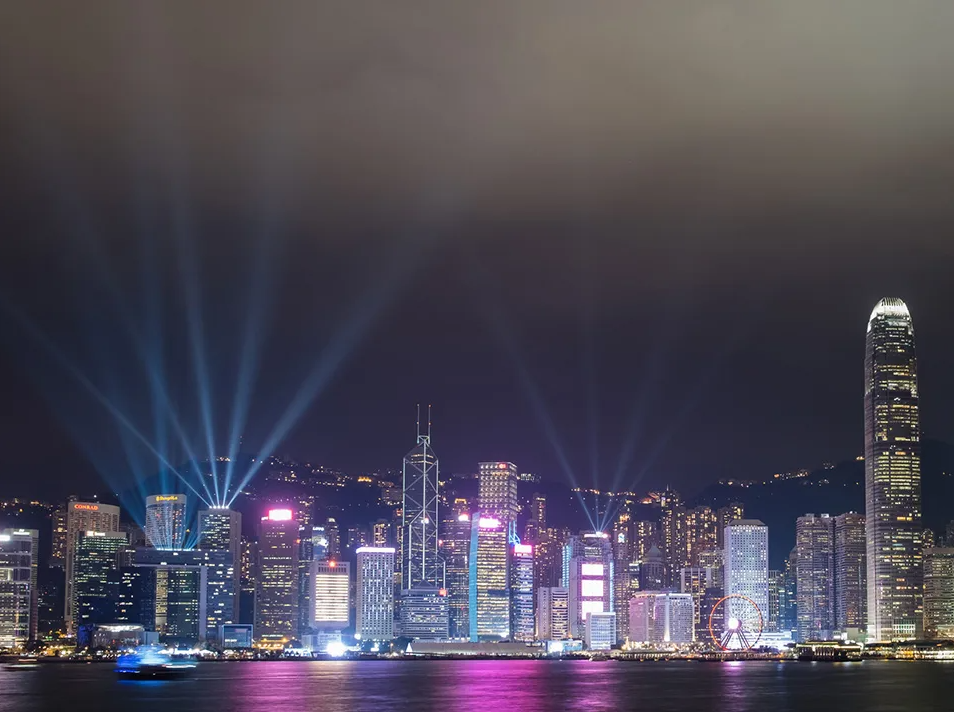
— Tourism Recovery and the Contribution of “High Value-Added” Visitors
Parallel to the recovery of the stock and property markets is the rebound in Hong Kong’s tourism sector.
According to data from the Hong Kong Tourism Board, preliminary figures show that total visitor arrivals reached 49.9 million in 2025, representing a 12% year-on-year increase. Visitors from the Chinese Mainland remained the main force, accounting for 76% of total arrivals. During a visit to a luxury brand store at Hong Kong’s IFC mall, owned by Sun Hung Kai Properties, Luxe.CO was told by store staff that 70% of customers were tourists from the Chinese Mainland.
Among visitors to Hong Kong, overnight MICE travellers, high-spending leisure travellers, and business travellers are classified by the Hong Kong Tourism Board as “high value-added” segments, making significant contributions to local consumption. In 2025, 1.43 million overnight MICE visitors generated total spending of approximately HKD 10.7 billion.
“LANDMARK has also benefited from the recovery in tourism. Tourists account for about 15% of our retail business, with average spending of around HKD 300,000 per visitor,” said Alexander Li. He noted that Hongkong Land is collaborating with the Hong Kong Tourism Board to create an experience-led urban district in Central:
“For example, we co-organised the ‘Winter Wonderland’ event and the annual New Year’s Eve countdown in Central. Over 42 operating days, these events attracted 1.4 million visitors. In other words, our goal is to create an experience that extends across Hong Kong, thereby enhancing the vitality of the entire city.”
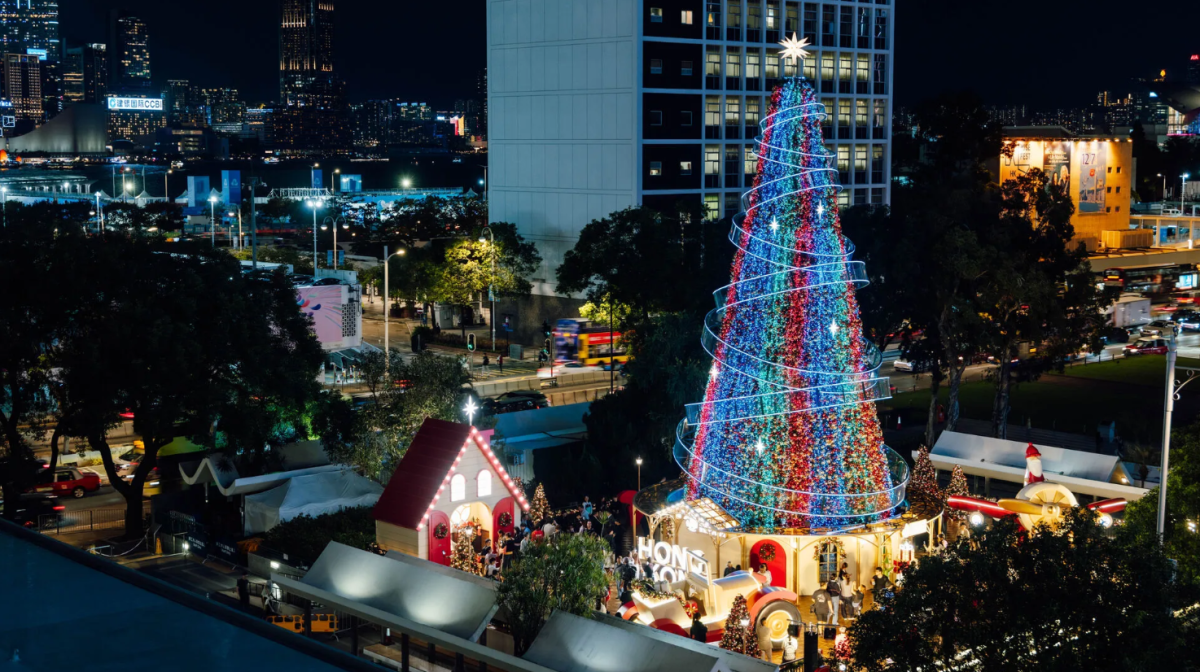
The “Winter Wonderland” event in Central
Opportunities and Challenges Coexist in Hong Kong’s Luxury Retail Market
Looking ahead, some commercial property groups remain optimistic about Hong Kong’s luxury retail market.
Alexander Li told Luxe.CO that although 30% of LANDMARK’s retail area was temporarily closed in 2025 due to the “Tomorrow’s CENTRAL” upgrade project, sales still achieved double-digit year-on-year growth. Occupancy remained essentially full and at historically high levels.
Irene Lee, Chairman of Hysan Development, stated: “We do see signs of recovery in Hong Kong’s retail market… This positive momentum will continue.” The Group’s report shows that expansion plans for luxury stores have gradually translated into financial contributions. In 2025, foot traffic at Lee Gardens increased by 11% year-on-year, tenant sales rose by 8%, and tenant sales recorded double-digit growth in the second half of the year.
Deloitte China also offered an optimistic outlook, forecasting that Hong Kong’s retail sector will maintain momentum in 2026, with total retail sales expected to grow by nearly 8% to approximately HKD 410 billion. Among categories, jewellery, watches and valuable gifts are projected to rise by 19%, while apparel and footwear are expected to grow by 16%.
However, Wharf Real Estate Investment Company’s management noted during its 2025 annual results presentation that although the retail market is steadily recovering, structural issues remain prominent. Harbour City and Times Square have strengthened experiential retail services and launched effective promotional campaigns, yet increases in foot traffic have not always translated into corresponding profit growth, reflecting that consumer spending power has not fully recovered.
Swire Properties reported that Pacific Place recorded moderate growth of 6% in 2025 and maintained a cautious view on Hong Kong’s overall consumer sentiment.
| Image Credit: On-site photography by Luxe.CO, official website of the Hong Kong Tourism Board, official websites of various shopping malls
| Editor: Elisa