On March 19, the 2026 Luxe.CO Fashion Innovation and Investment Forum was successfully held at Jing An Shangri-La, Shanghai!
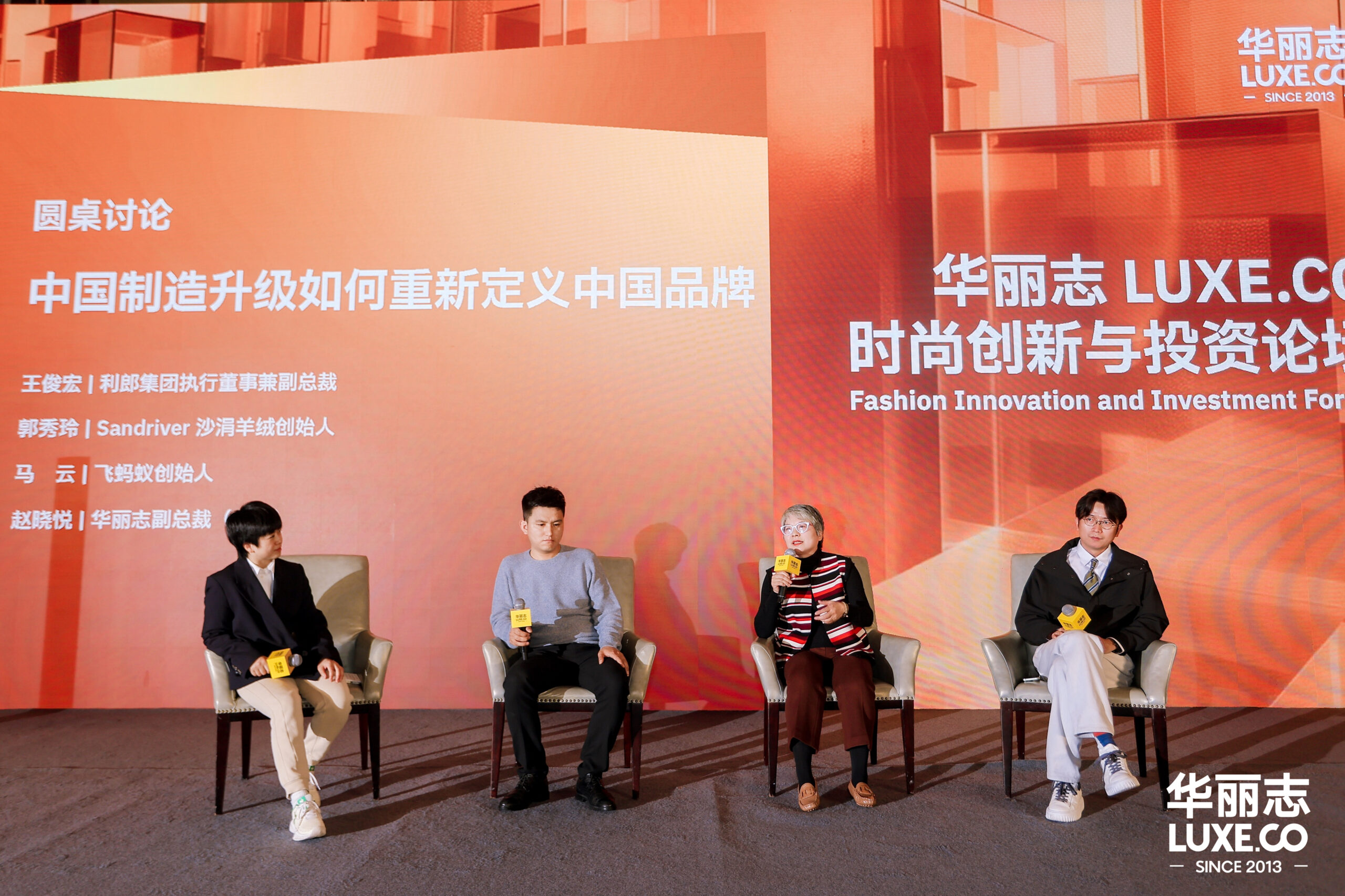
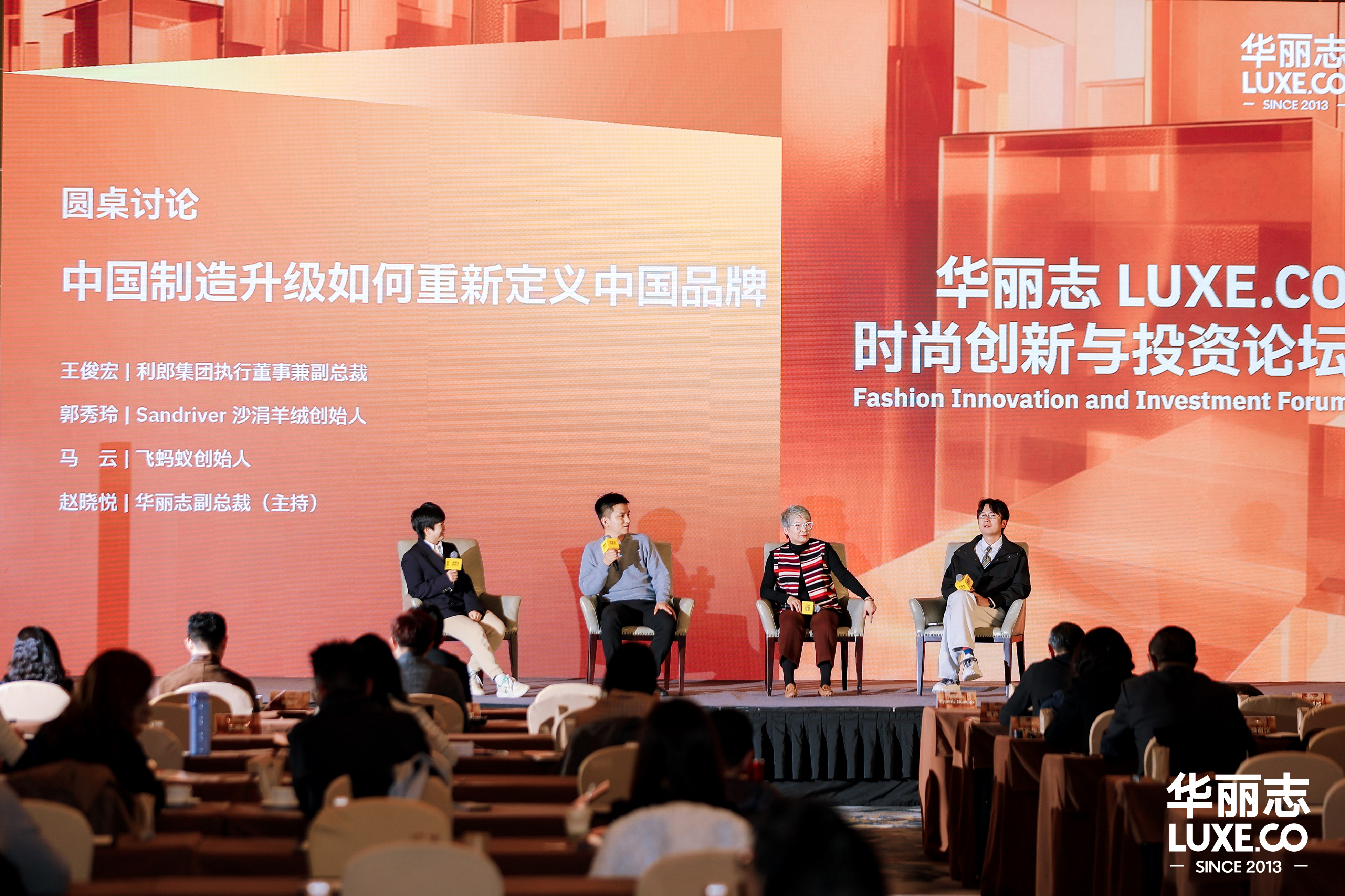
During the themed roundtable forum “How Is the Premiumisation of Chinese Manufacturing Redefining Chinese Brands?”, Wang Junhong, Executive Director and Vice President of China Lilang; Juliet Guo, founder of Chinese cashmere brand Sandriver; Ma Yun, founder of Feimayi; and Zhao Xiaoyue, Vice President of Luxe.CO, discussed the following topics:
- Multi-dimensional observations on the premiumisation of Chinese manufacturing
- Breakthroughs in the development of China’s local supply chains and product R&D
- How the premiumisation of Chinese manufacturing will empower Chinese brands in the future
Multi-Dimensional Observations on the Premiumisation of Chinese Manufacturing
Zhao Xiaoyue: Please share your views from your respective fields on the areas in which China’s apparel manufacturing industry has undergone premiumisation over the past few years.
Wang Junhong: I believe there has been substantial progress in two areas, and both are related to “people.” The first is internal, concerning employees engaged in production and manufacturing. Their sense of value has been enhanced. This is because the intelligent premiumisation of production and manufacturing, as well as highly efficient and highly precise operations, can reduce a great deal of tedious, mechanical work. People no longer need to spend all day on the production floor. They can rest when they should rest and work when they should work. We need to be people-oriented. When employees’ happiness index rises, various hands-on operations also become simpler.
The second is external, concerning consumers. Thanks to the premiumisation of production and manufacturing, we have more energy to build the brand and create more added value. In other words, beyond the product itself, we can provide consumers with a richer spiritual life in addition to the basic wearing function of clothing. For consumers, this means creating a better life, rather than just a piece of clothing.
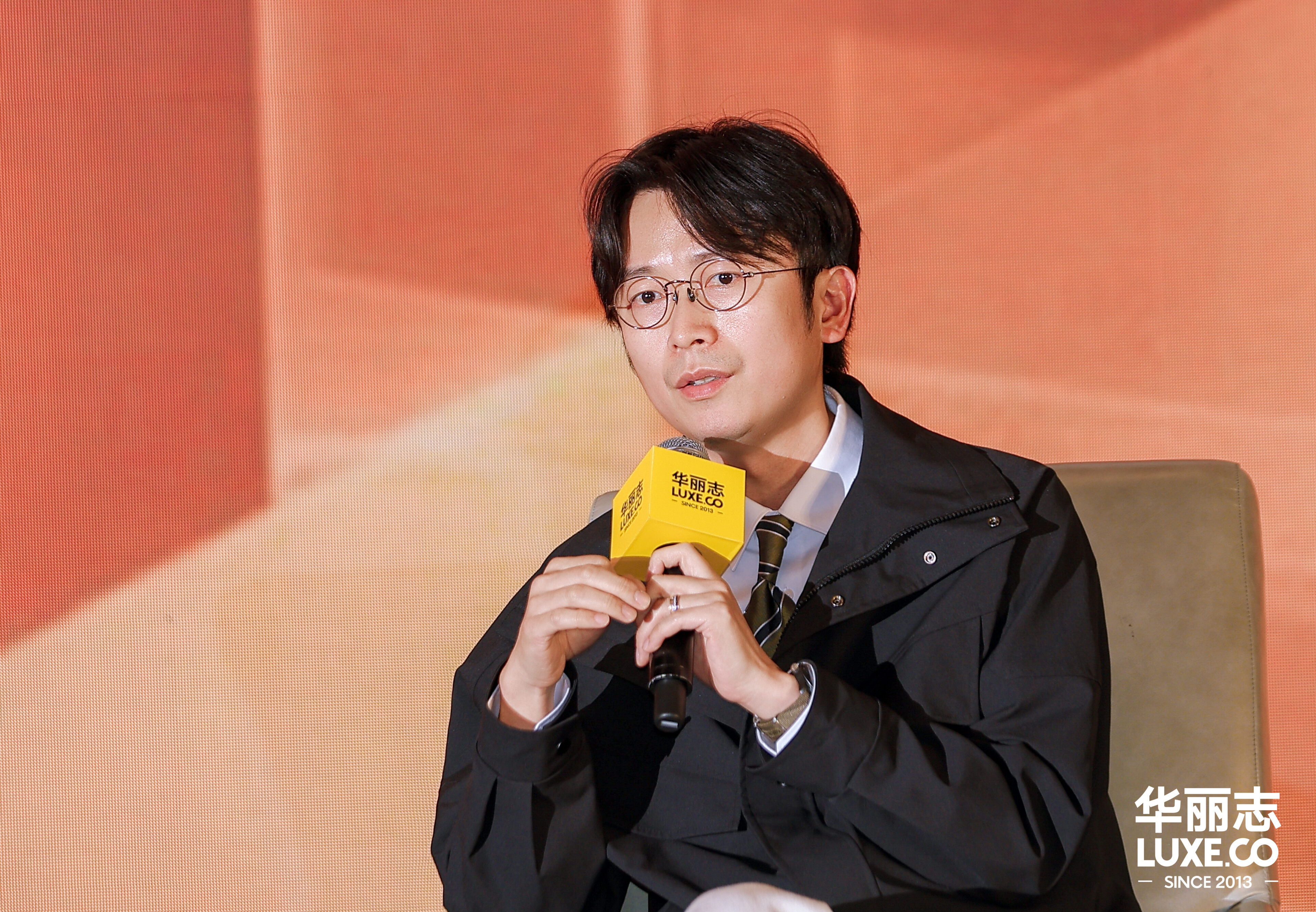
Above: Wang Junhong, Executive Director and Vice President of China Lilang
Juliet Guo: I have been working in cashmere and deeply engaged in manufacturing for 35 years. Since graduating from university, I have never changed industries. The day before yesterday, when I was watching Jensen Huang’s keynote speech at the NVIDIA GTC conference, there was a scene in which AI robots formed a concert. Just like the Industrial Revolution, AI is one of the most important turning points for humanity. When everything can be achieved with AI, we need to think about where the fashion industry stands.
Our brand was founded only 14 years ago. Globally, 75% to 80% of cashmere raw materials come from Inner Mongolia, yet there is not a single truly prominent cashmere brand standing at the center of the world. This was the greatest pain point for me when I founded the brand. As an indigenous Chinese brand, we developed from a manufacturing company serving luxury brands to competing with our former clients for market share. In this process, we encountered enormous challenges. In the two to three years after 2022, our brand experienced tremendous growth – not twofold or threefold, but an explosive growth of many times over. All our confidence comes from the raw materials of my hometown, Inner Mongolia, and from our very strong and solid manufacturing foundation, which enables us to serve global luxury brands. Innovation comes from our factories, our pastures, and the artisans on the Qinghai-Tibet Plateau.
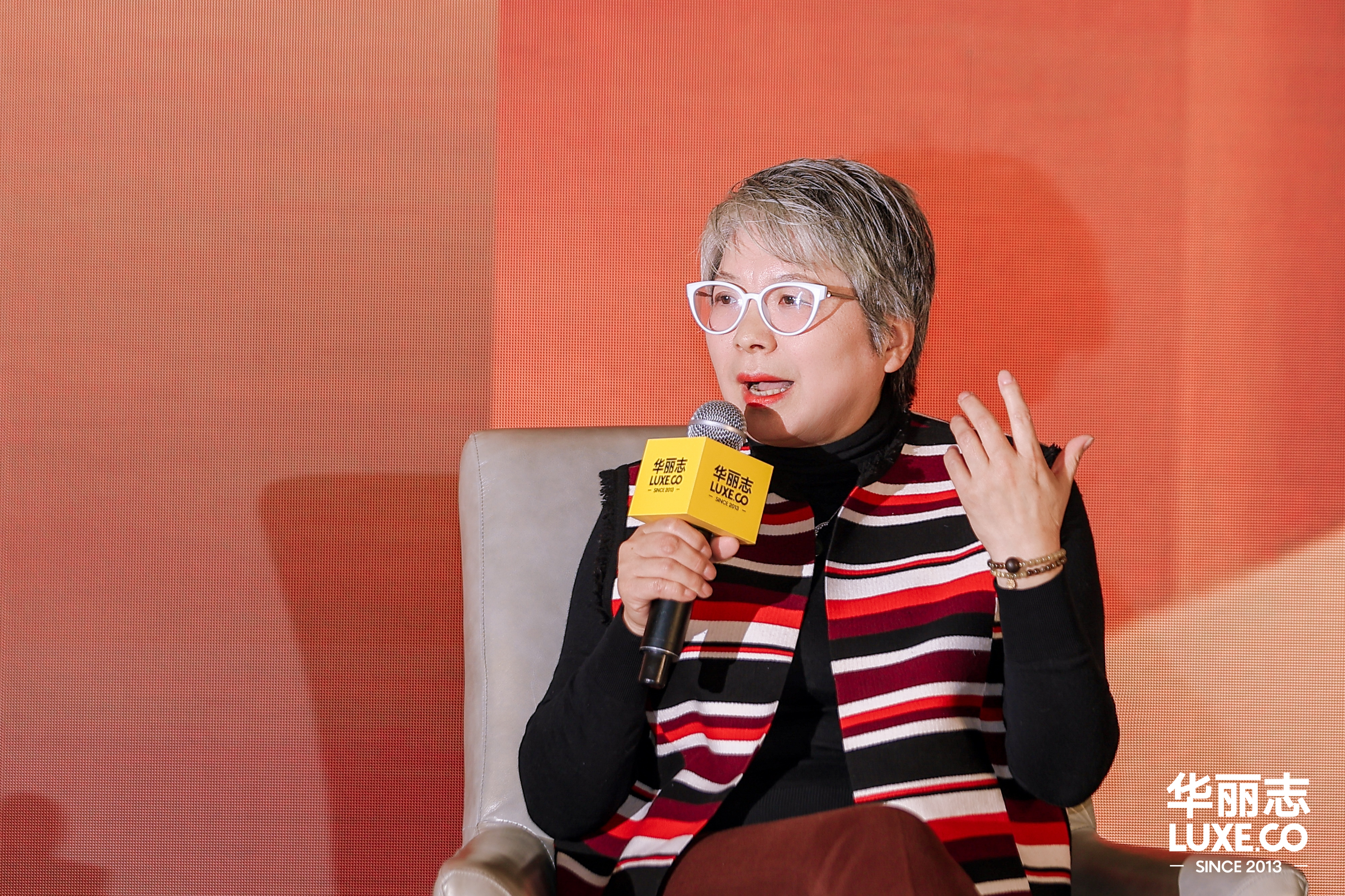
Above: Juliet Guo, founder of Chinese cashmere brand Sandriver
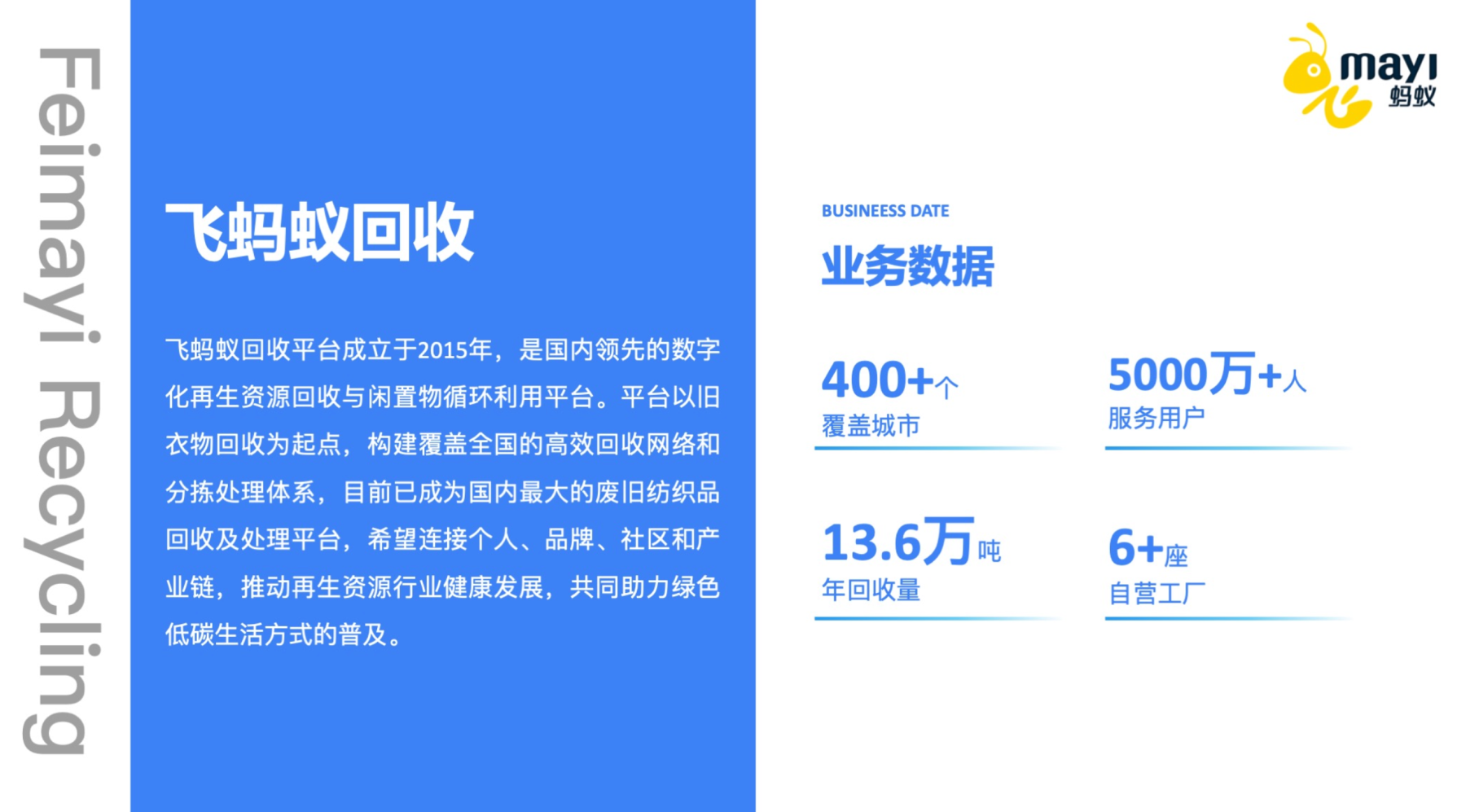
Ma Yun: I started my business in 2015 by founding Feimayi, a recycling platform. We wanted to use ultimate service to encourage more people to participate in the recycling and reuse of old clothes or discarded textiles. Over the years, we have also continued to deepen our capabilities on the back end, building an entire system for the sorting and reprocessing of discarded textiles. We have established six self-operated factories across China, and our door-to-door recycling service now basically covers first-, second-, and third-tier cities nationwide. We also work with many apparel brands, including UR, adidas, Skechers, and others.
Over the years, as the “world’s factory,” “Made in China” has indeed become globally renowned. But I believe the value added by “Made in China” does not lie only in production and sales; it may need to be extended further, from production and sales to circulation. In the past, Chinese brands followed a linear chain of “production-sales-disposal.” In the future, more brands should form a closed loop across the entire chain, extending from production and sales to recycling, sorting, and recirculation.
This is, in fact, a trend on which a global consensus has already been reached. More and more consumers are becoming environmentally conscious, while more apparel brands are gradually demonstrating a stronger sense of social responsibility. In addition, China’s policy support for green manufacturing and recycling will continue to increase.
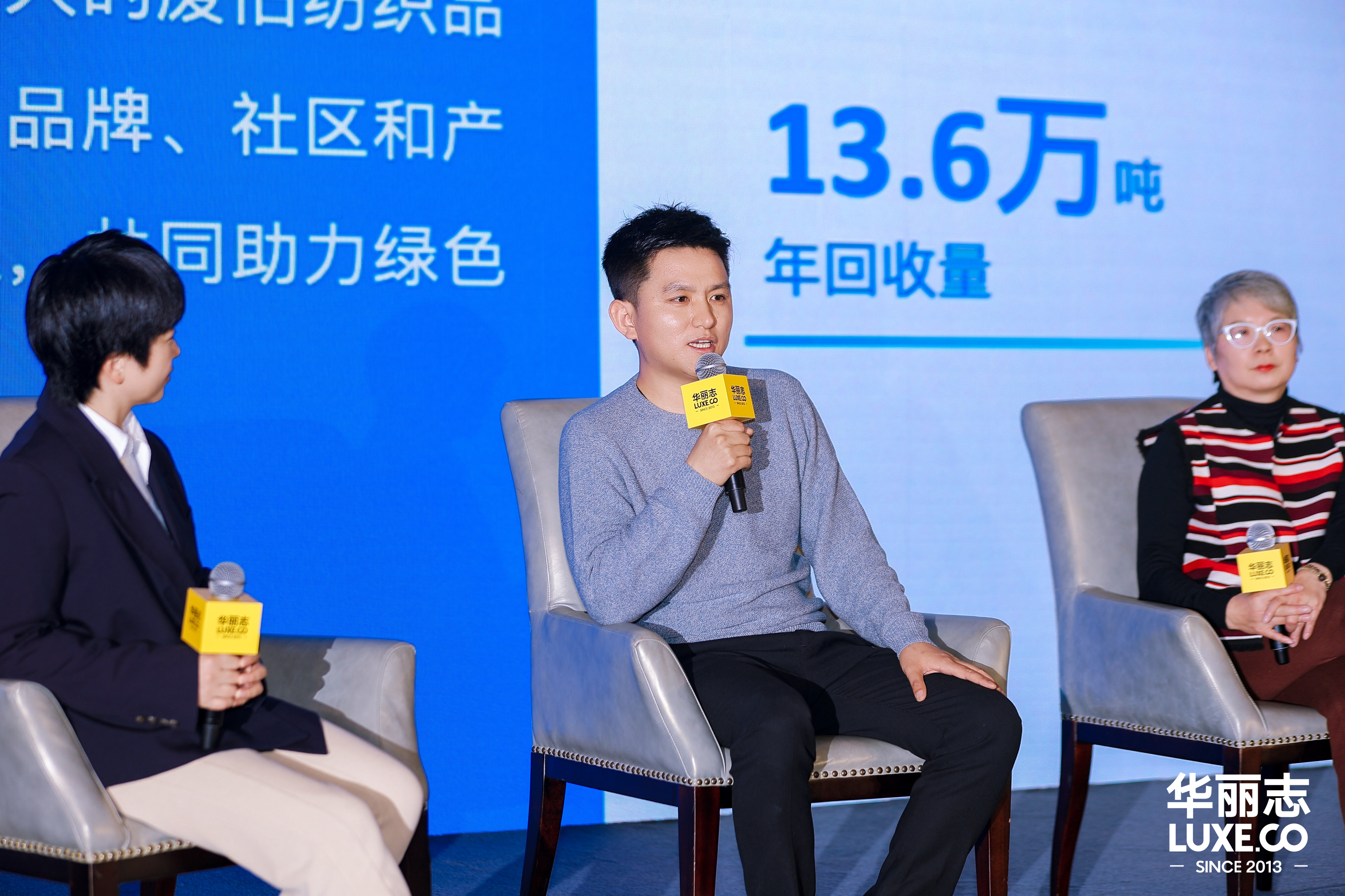
Center above: Ma Yun, founder of Feimayi
Breakthroughs in the Development of China’s Local Supply Chains and Product R&D
Zhao Xiaoyue: As one of China’s leading listed menswear groups, China Lilang has already built a complete proprietary supply chain system. Could you share what this apparel supply chain actually looks like?
Wang Junhong: When it comes to the intelligent manufacturing premiumisation of production, it is essentially about how to make a garment better, including precision, craftsmanship details, production efficiency, loss, labour costs, and more. If we can significantly improve every link, from cutting, sewing, and sorting to logistics, the ultimate result is to serve people and benefit people. Where does the benefit lie? For consumers, the premiumisation of production and manufacturing enables them to own a product of better quality and at a better price. Lilanz is a mass-market brand, and we have high requirements for product quality.
[qqv width=”600″ height=”350″]https://v.qq.com/txp/iframe/player.html?vid=w319996mi3x[/qqv]
Zhao Xiaoyue: Based on the premiumisation of the supply chain, what progress and breakthroughs has Lilanz made in product R&D in recent years?
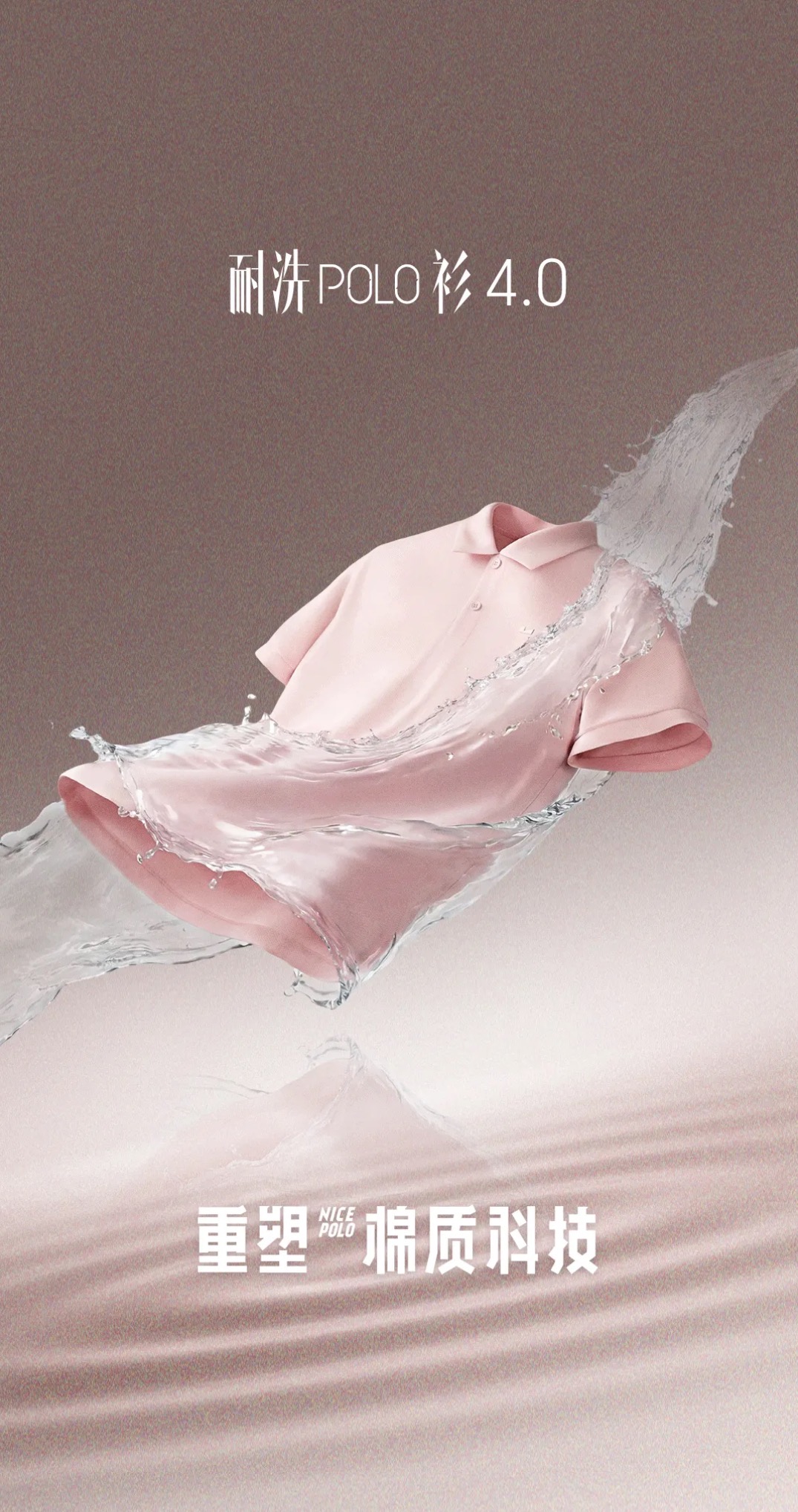
Wang Junhong: I think the progress and breakthroughs include two aspects. The first is product R&D itself. In recent years, Lilanz has achieved quite significant results in the innovation of major products with strong functional and technological attributes. Products that have already been launched in the market have also delivered very good results, such as the “Long-lasting White Non-iron Shirt,” the “Wash-resistant Polo Shirt,” and, in the highly competitive down jacket category, our “Water-repellent Down.”
At a time when the market is already saturated and lacks no products across various categories, we are still able to develop new products from the demand side. This can only be achieved by staying true to the original intention of addressing specific use scenarios and specific pain points. Since Lilanz was founded in 1987, we have tried all the categories and products we wanted to do, but the market is always there, and its capacity remains very large. We need more products that truly satisfy the consumer experience and better solve consumers’ pain points.
In addition, three years ago, we established a very comprehensive product system: tiered category drawers, a value pyramid, and hero-product categories. Through a multi-level product echelon, we enable good products to perform even better while maintaining a solid product foundation.
The second aspect is that Lilanz dares to reinvent itself, and dares to reshape, advocate, and guide a new aesthetic for business menswear. For the Lilang LESS IS MORE show at Anping Bridge in 2023, we invited renowned designer XANDERZHOU Zhou Xiangyu to become deeply involved in product R&D, and even in supply chain management and the development of technical patterns. We brought a designer we trust deeply into our own system. I believe this has never happened before among Chinese menswear brands.
The new range of products that Zhou Xiangyu has “harmonised” together with us inherits the business menswear DNA that Lilanz is best at, while also incorporating a more contemporary and avant-garde aesthetic. It has become a new stylistic direction in the menswear market and has reshaped the order of business menswear. Over the past two to three years, the Lilang LESS IS MORE series has maintained rapid growth every season, and has also become a very important growth curve for our group in recent years.
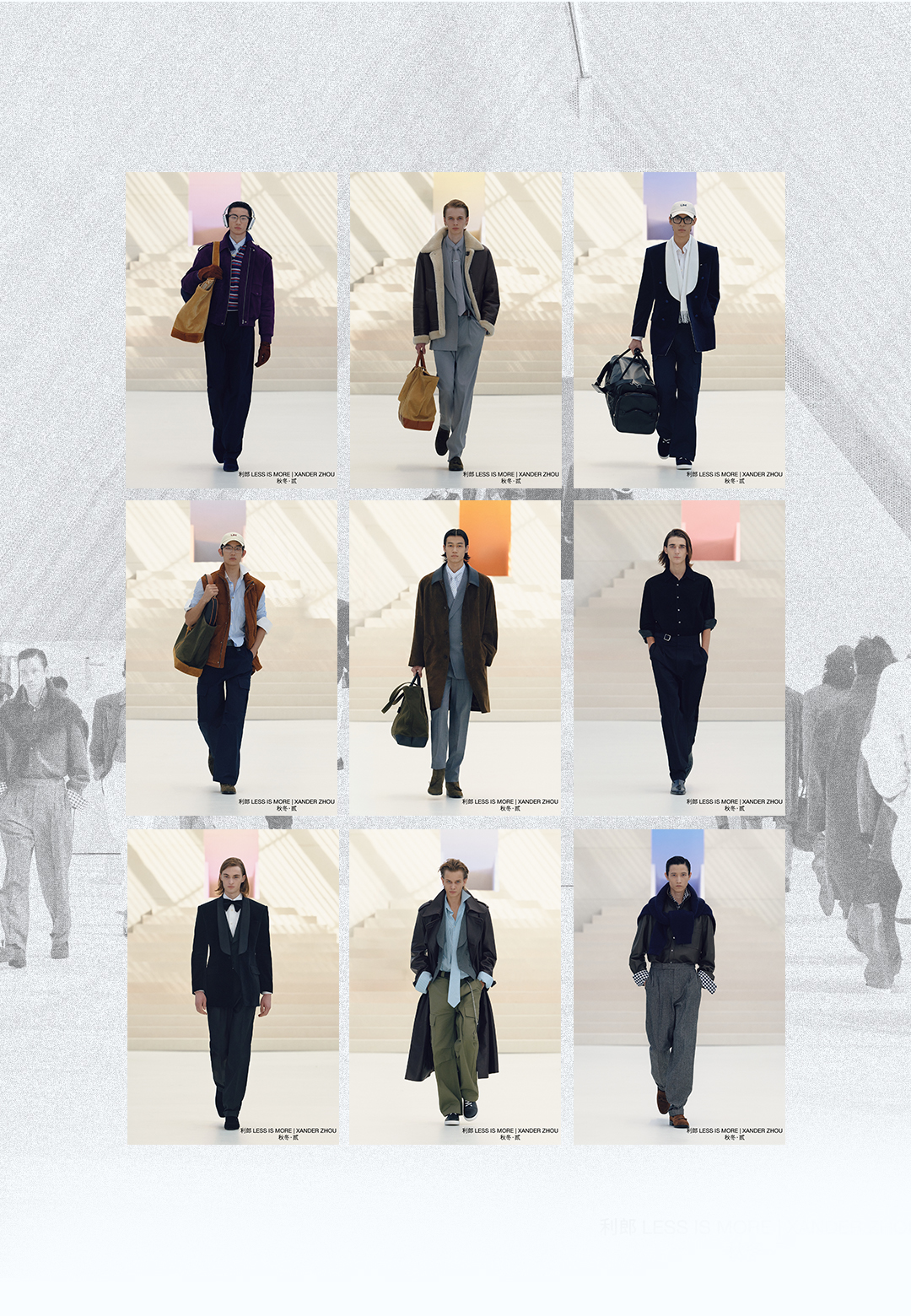
Above: Lilang LESS IS MORE x XANDER ZHOU Fall/Winter 2025 collaboration collection
Zhao Xiaoyue: In the process of building a cashmere brand, how did you discover and establish China’s most advantageous local supply chain?
Juliet Guo: Our cashmere business starts with raising goats. One can imagine the length of this supply chain: one metre wide, but 10,000 metres deep. We have unique pasture resources, and possess China’s finest raw materials in Inner Mongolia and Tibet. All products are produced in our own factories. In addition to our factory in Jinshan District, Shanghai, we have a raw material base and a yarn supply factory in Inner Mongolia; in the Tibetan areas of Tibet and Qinghai, we focus on the revival of intangible cultural heritage craftsmanship.
What we talk about most today is culture. What do you use to lead others? It is our most traditional Chinese craftsmanship, the thing that others cannot understand, that becomes our sharp tool and secret weapon for going global. Seven or eight years ago, we became the first Chinese brand to enter Le Bon Marché in Paris. We also work with Aman hotels around the world, from Shanghai to Miami to Beverly Hills. All the cashmere blankets laid on the beds at Aman hotels are our products.
Our best products, which are always sold out, are made using Mongolian felt craftsmanship – the same felt garments and felt boots I wore as a child. I spent nine years restoring this craft. Together with silk, it is made by hand-beating, entirely handmade, without the use of any machines.
I am opposed to over-industrialisation. It is a contrarian way of re-understanding the supply chain. Twenty-four years ago, I returned from Germany with 200 textile industry patents, all of which were for automated equipment at the time. But over the past three years, I have gone deep into Tibetan areas, working on the ground to restore our traditional intangible cultural heritage craftsmanship and then bring it to the world. Why should the supply chain return to craftsmanship? When you go to the Qinghai-Tibet Plateau, you see that many women know how to weave, but there is not a single product; everything remains stagnant there. By organising a large number of forgotten cultural treasures and driving local women’s employment, those women who have never been to school, who cannot speak Mandarin, and who cannot even write their Tibetan names, can earn a stable monthly income of RMB 5,000 to RMB 6,000 [approximately USD 690 to USD 828] through hand weaving. I think this is profoundly meaningful.
[qqv width=”600″ height=”350″]https://v.qq.com/txp/iframe/player.html?vid=j31997eyw4n[/qqv]
Sandriver Yellow River Source Show
Zhao Xiaoyue: Please share Feimayi’s key breakthroughs in recent years. How is the T to T, or textile-to-textile, process that you often mention achieved?
Ma Yun: Over the past five years, Feimayi has invested a great deal of time, energy, and capital in the field of blended-fabric regeneration. The regeneration of natural fibres such as cashmere, wool, or linen can be achieved through certain physical methods. But most garments today are made of blended fabrics, such as those containing nylon. Five to ten years ago, the regeneration chain for these blended fabrics was actually quite difficult. We also recognised this issue very early on.
What the industry now calls T to T, meaning from discarded textiles to new regenerated textiles, has a key prerequisite: being able to separate out raw materials with relatively high nylon content from discarded textiles. At present, we can sort out high-purity raw materials at levels exceeding 85% or even 90%, and then provide them to downstream factories for regeneration. This enables China’s textiles to form an effective closed loop, reducing the waste of resources and allowing Chinese manufacturing to contribute to the environment.
How the Premiumisation of Chinese Manufacturing Will Empower Chinese Brands in the Future
Zhao Xiaoyue: Returning to today’s theme – how the premiumisation of Chinese manufacturing is redefining our Chinese brands – please share your thoughts and reflections.
Juliet Guo: We are a typical example of the path from factory manufacturing to brand building. When we founded the brand in 2012, we were in a situation where we had been pushed into a corner. I sent emails to our global luxury brand clients, saying that I would no longer be your supplier; I want to become you. Today, that may sound ambitious, but what did it mean at that moment? Our revenue dropped to zero overnight.
Every year, we participate in the M&O fair in Paris (Maison & Objet, the Paris home decor and design fair). In the past few years, we were always lonely, the only Chinese brand there. In the past two years, I have been especially happy to see all kinds of Chinese brands appearing there. They, the overseas exhibitors, always come over and ask me how the felt craftsmanship is done. They cannot understand it, nor can they interpret the “know how” behind it.
What did I see at that moment? I saw the scene from 20 years ago, when I went to trade shows in Paris and Milan, and when I handed over a business card from a Chinese company or factory, I was refused entry. But today, the handmade pulu we make, together with artisan Aja Gesang – a 40-year-old woman from a Tibetan area who never went to school and began making carpets with her mother at the age of 12 – sits there without makeup, on the floor, hand-spinning yarn, returning to the state of intangible cultural heritage craftsmanship. As a result, our entire exhibition booth was surrounded so tightly that no one could get through.
So today, what gives me the greatest confidence is this: in global luxury manufacturing, I have what you do not have. This is also the only source of confidence for Chinese brands today as they compete globally with many century-old brands such as Hermes and Loro Piana.
Ma Yun: As for how the premiumisation of Chinese manufacturing will shape Chinese brands in the future, my understanding is that China has already travelled this road for decades, and many parts of that road have become relatively steady and solid. From Chinese products to Chinese brands, and now to Chinese brands exporting Chinese culture and China’s attitude – this is the entire path of redefining Chinese brands.
As far as what we do is concerned, if lifestyle attitudes can be combined with environmental protection and sustainability, brands will be able to better open up other global markets in the future. This is because countries and regions such as the EU place an even stronger emphasis on environmental protection than China does.
I believe that if Chinese brands can better integrate with environmental protection and sustainability, they will certainly be able to move from the past model of selling Chinese products to the world to exporting Chinese culture and China’s attitude to the world.
Wang Junhong: As mentioned earlier, thanks to the premiumisation of production and manufacturing, brands have more energy and time to work on a higher level beyond the garment itself, which is called spiritual value. It is not emotional value; emotional value is, in fact, temporary. I believe this is the real dividend that manufacturing premiumisation has brought us in this era.
We often ask ourselves: apart from basic functionality such as keeping warm, what else can this garment offer consumers? There should also be other intangible, higher-level, spiritual things.
Consumers need self-expression, and they express themselves through products and brands. Consumers need empowerment in terms of recognition of social identity and status, or the externalisation of their own values. To some extent, brands serve as spiritual leaders for consumers. A brand advocates a certain attitude or philosophy, and through long-term persistence and practice, it touches consumers. This then becomes their reason for buying the brand.
Sometimes when consumers buy a brand, they are actually acting on emotion. Sometimes, you love the brand more than the garment itself. Consumers expect to find emotional identification or value resonance with a brand. To put it more simply, consumers are actually looking for reassurance or comfort. They need to find a strong form of energy in the brand that empowers them.
Therefore, I believe that the philosophy we advocate – “simple but not ordinary,” and “Less is more” – if it can become a spiritual high ground that belongs exclusively to Lilanz and can be equated with Lilanz, that would be what we most hope to see.
About the Luxe.CO Fashion Innovation and Investment Forum
Twelve years ago, Luxe.CO was among the first to recognise the importance of high-quality information, communication, and research for the development of mid- to high-end brands. Starting with the provision of professional and comprehensive financial and business information, we have accumulated a wealth of exclusive data and case assets, as well as the exclusive insights into brands and subsectors derived from them. We have built a complete system that can continuously and steadily produce high-quality content and research results, making Luxe.CO the most “certain” link in the large fashion industry, which is otherwise full of noise and volatility. We provide decision-makers with important leverage points for shaping the future, and have naturally brought together China’s highest-quality high-end readers around us.
In the process of iteration and advancement, we have had the privilege of engaging in deep exchanges and cooperation with an increasing number of outstanding entrepreneurs, investors, operators, and managers, becoming trusted fellow travellers to them. When this high-quality accumulation and exchange reached a critical point, the Luxe.CO Fashion Innovation and Investment Forum arrived as expected.
Since 2015, Luxe.CO has held eight high-profile industry forums and more than 100 online and offline themed events, creating a valuable stage for high-density, high-quality face-to-face exchanges among elites in the “large fashion” sector.
| Image Credit: Luxe.CO, LILANZ, Feimayi
| Editor: Maier