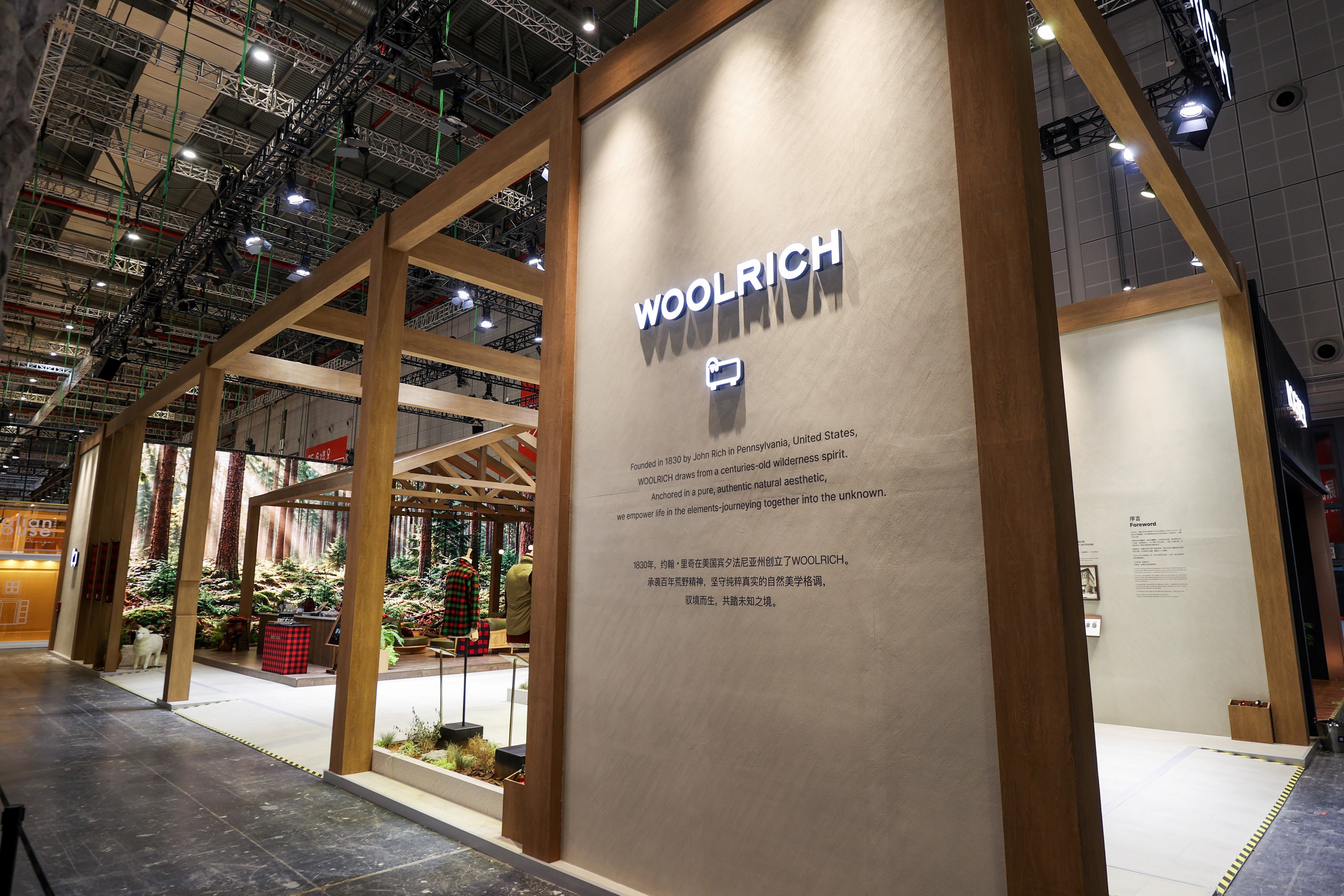
On 5 November, the ninth China International Import Expo (CIIE 2026) opened as scheduled. At the entrance to Hall 6.2, home to sports, outdoor and luxury brands, an imposing timber pavilion drew considerable attention. It marked the CIIE debut of American premium lifestyle brand WOOLRICH.
Luxe.CO was invited to explore this “cabin in the woods”. Extensive use of natural timber gave the space a warm, substantial feel, while the walls vividly recreated a dense forest. Lush vegetation covered the raised platform, capturing the stillness and seclusion of the woodland.
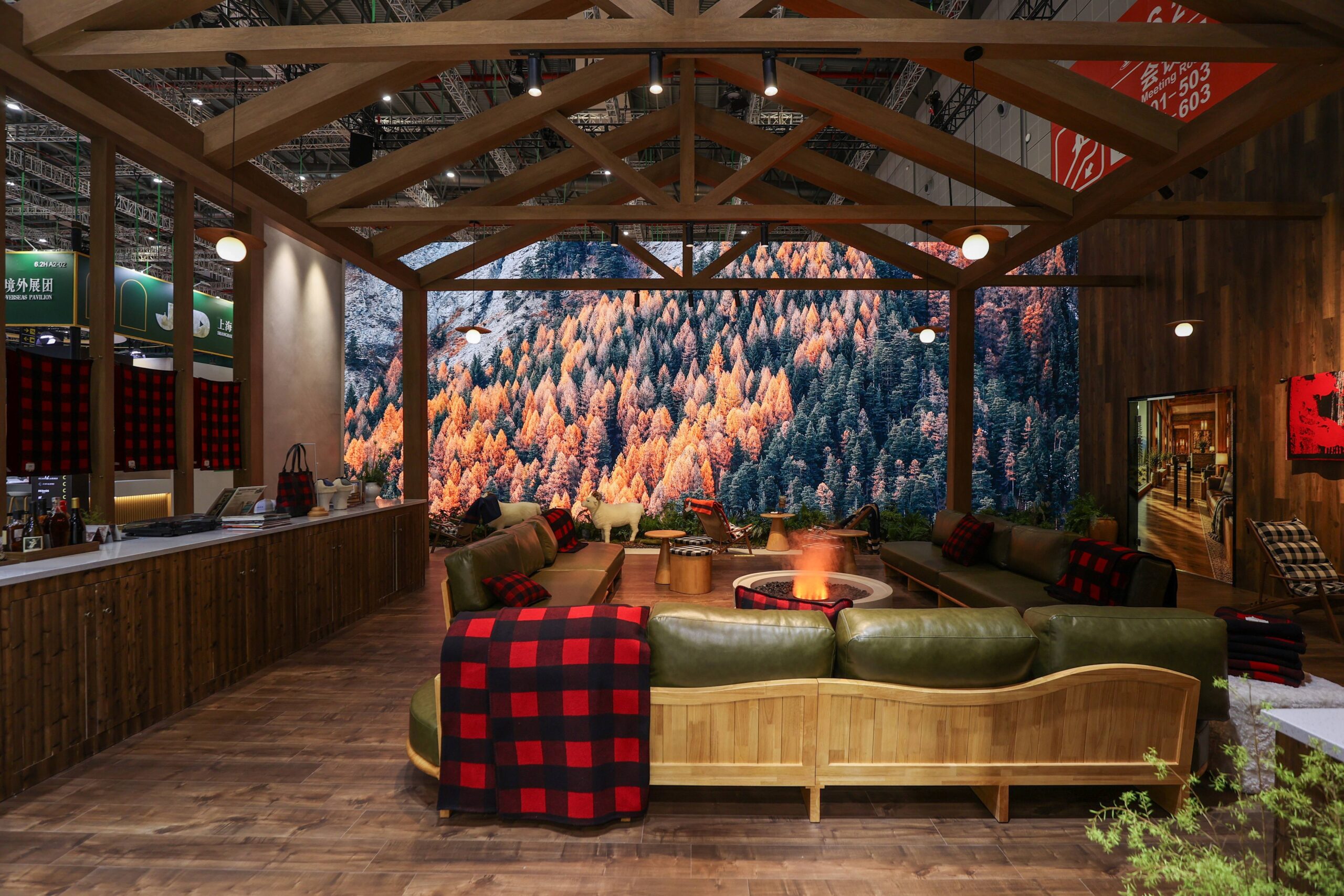
Above: WOOLRICH’s CIIE pavilion
At the end of 2024, Chinese menswear group Baoxiniao acquired WOOLRICH’s intellectual property rights in all territories outside Europe. In our conversations with the head of WOOLRICH at CIIE, we sensed a deep respect and enthusiasm for the brand, alongside a keen understanding of market trends:
China’s luxury market is undergoing a structural adjustment, with consumers moving from “reverence for price premiums” towards “a reassessment of value”. Meanwhile, after intense competition over technical performance, the outdoor sector is evolving towards lifestyle. For WOOLRICH and Baoxiniao Group, this undoubtedly represents a strategic window in which “structural opportunities outweigh short-term challenges”.
So, what positioning and identity will this American heritage brand, founded in 1830, bring to the test of China’s vast market? And how will it win over today’s Chinese consumers?
CIIE: A Crucial Platform for International Brands to Set Their Strategic Direction
In China’s increasingly competitive market, new entrants have a particular need to establish a clear strategic direction and communicate effectively with the industry, the market and consumers.
“Above all, we approach this brand, with its nearly 200-year history, with a profound sense of respect,” said the head of WOOLRICH.
With this in mind, Baoxiniao Group undertook extensive international research after taking over the brand:
The team first visited WOOLRICH’s brand museum in Bologna, Italy, to trace its history in the European market. They then travelled to the brand’s birthplace: the town of Woolrich in Pennsylvania, USA.
Once “a utopian industrial town”, it was officially renamed Woolrich as early as 1888. For more than a century, everyone in the town worked for WOOLRICH, with amenities ranging from a post office and retirement home to a baseball field and park.
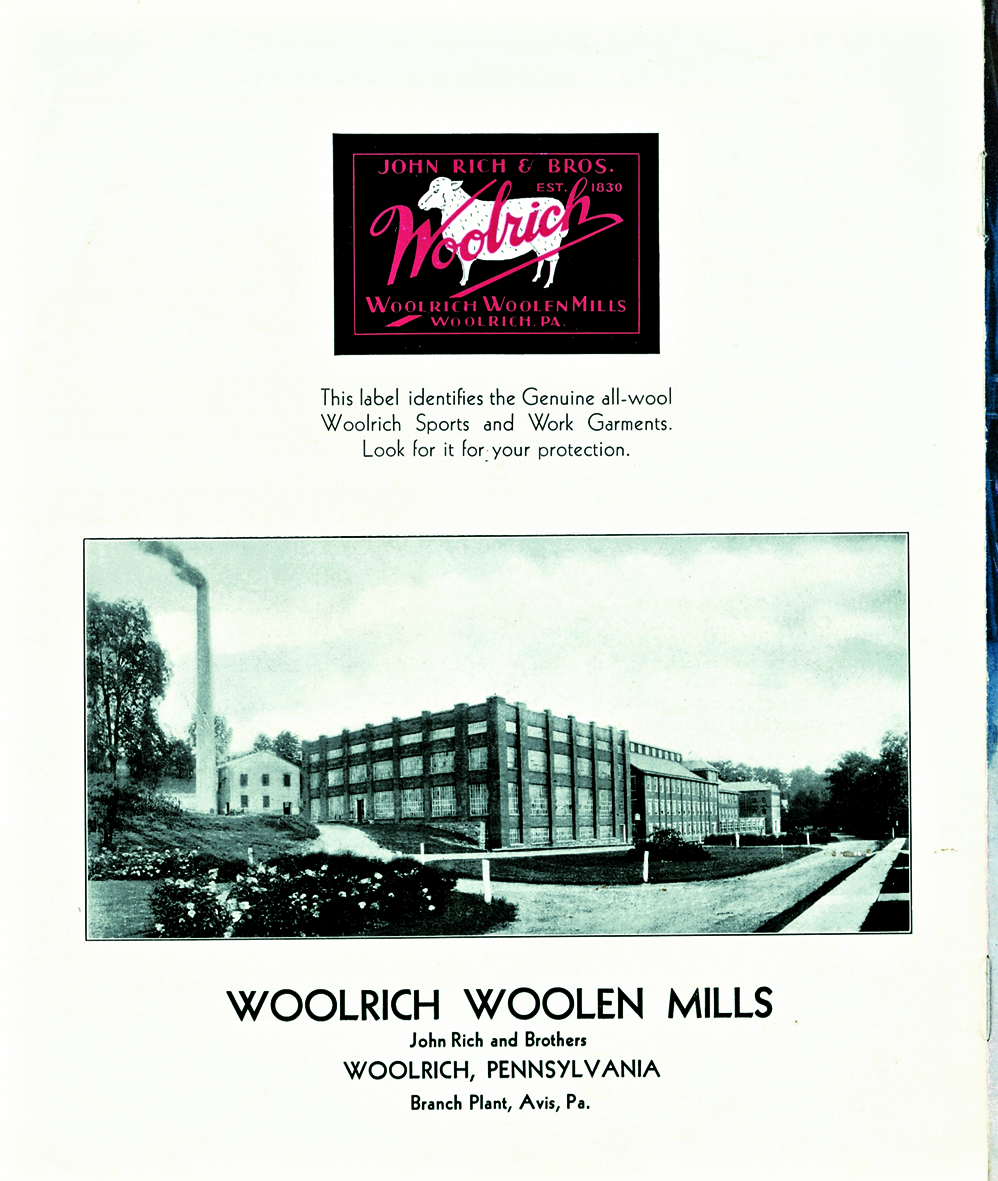
Above: The WOOLRICH woollen mill
Confronted with the former prosperity and present circumstances of the brand’s birthplace, the team felt the considerable responsibility of revitalising it. “We need to take WOOLRICH’s 200-year history, its American wilderness culture and outdoor lifestyle, and express them in a contemporary language that today’s Chinese market can understand.“
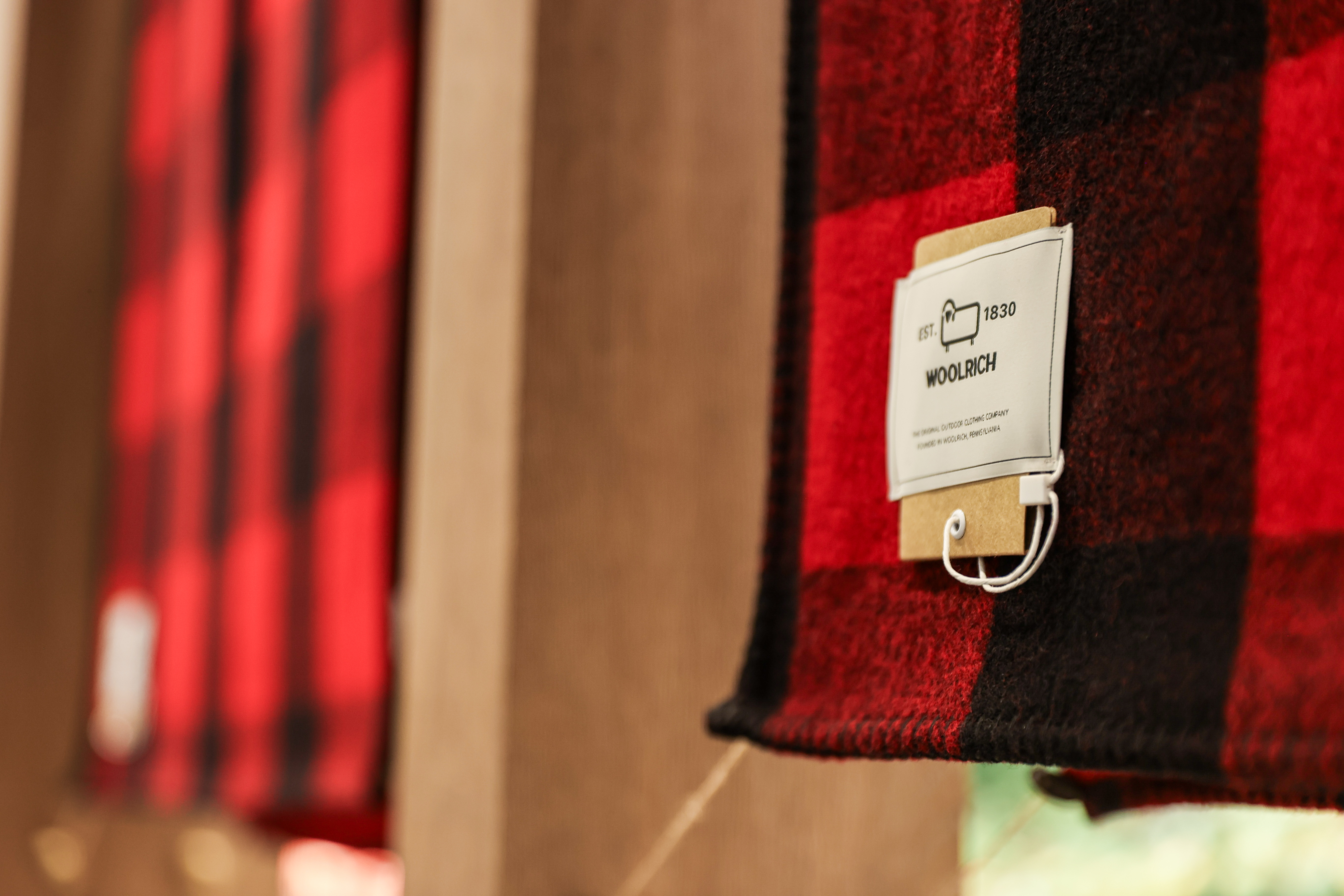
The team therefore systematically reviewed the brand’s nearly two centuries of history, exploring its stories and DNA in depth to identify its most representative products and imagery: from the red-and-black Buffalo Check flannel shirt to the Arctic Parka, and from the changing fortunes of the Pennsylvania woollen mill over a century to the solemn, enduring image of a white birch forest.
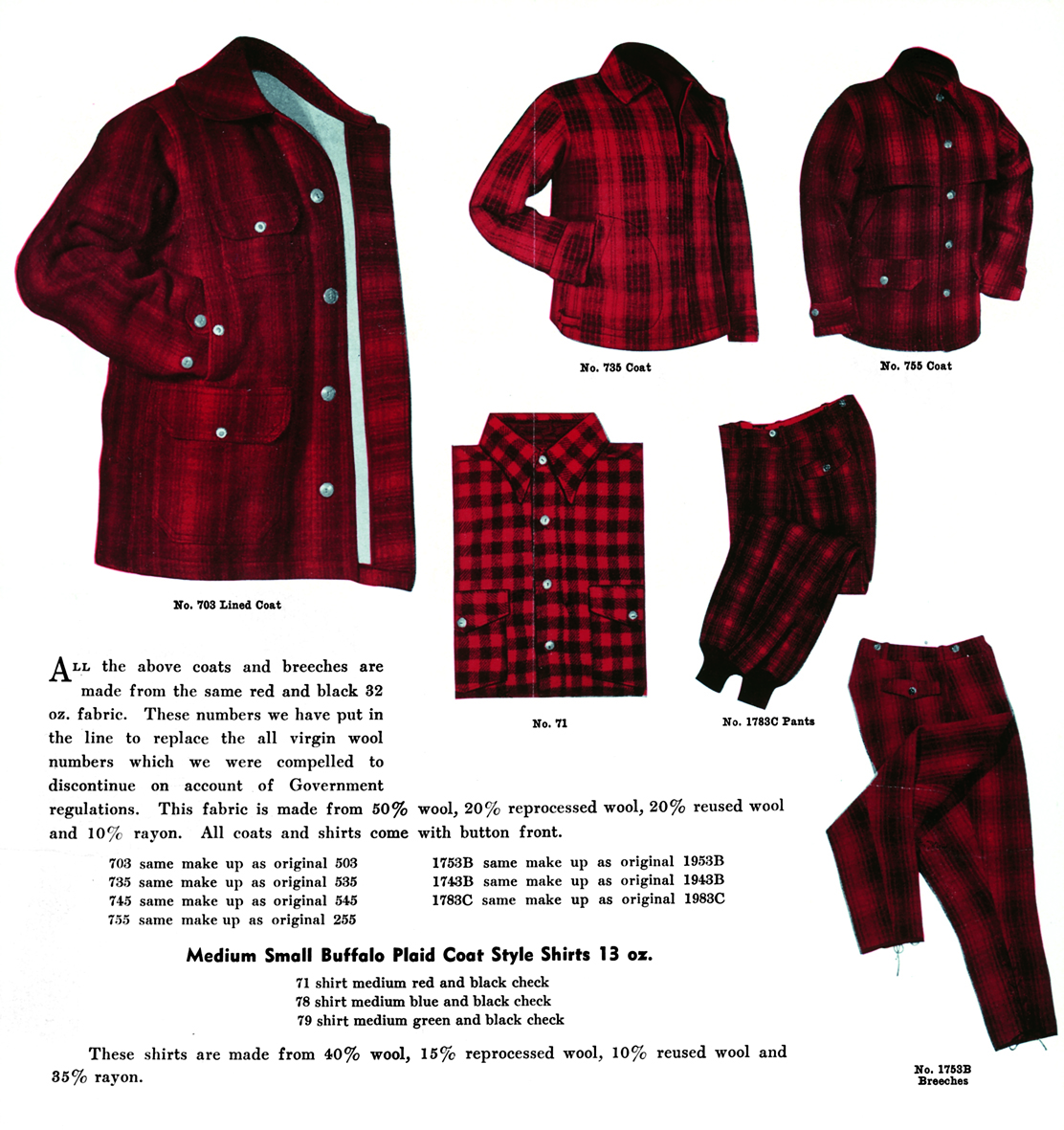
Above: WOOLRICH’s classic red-and-black Buffalo Check flannel shirt
At CIIE, WOOLRICH wove these images and elements into its brand narrative with a particularly warm presentation. Mannequins on a platform covered in vegetation displayed signature pieces and the latest collections. Elsewhere, soft, comfortable sofas gathered around a fire; sitting down, one could almost imagine looking up to see the Pennsylvania landscape.
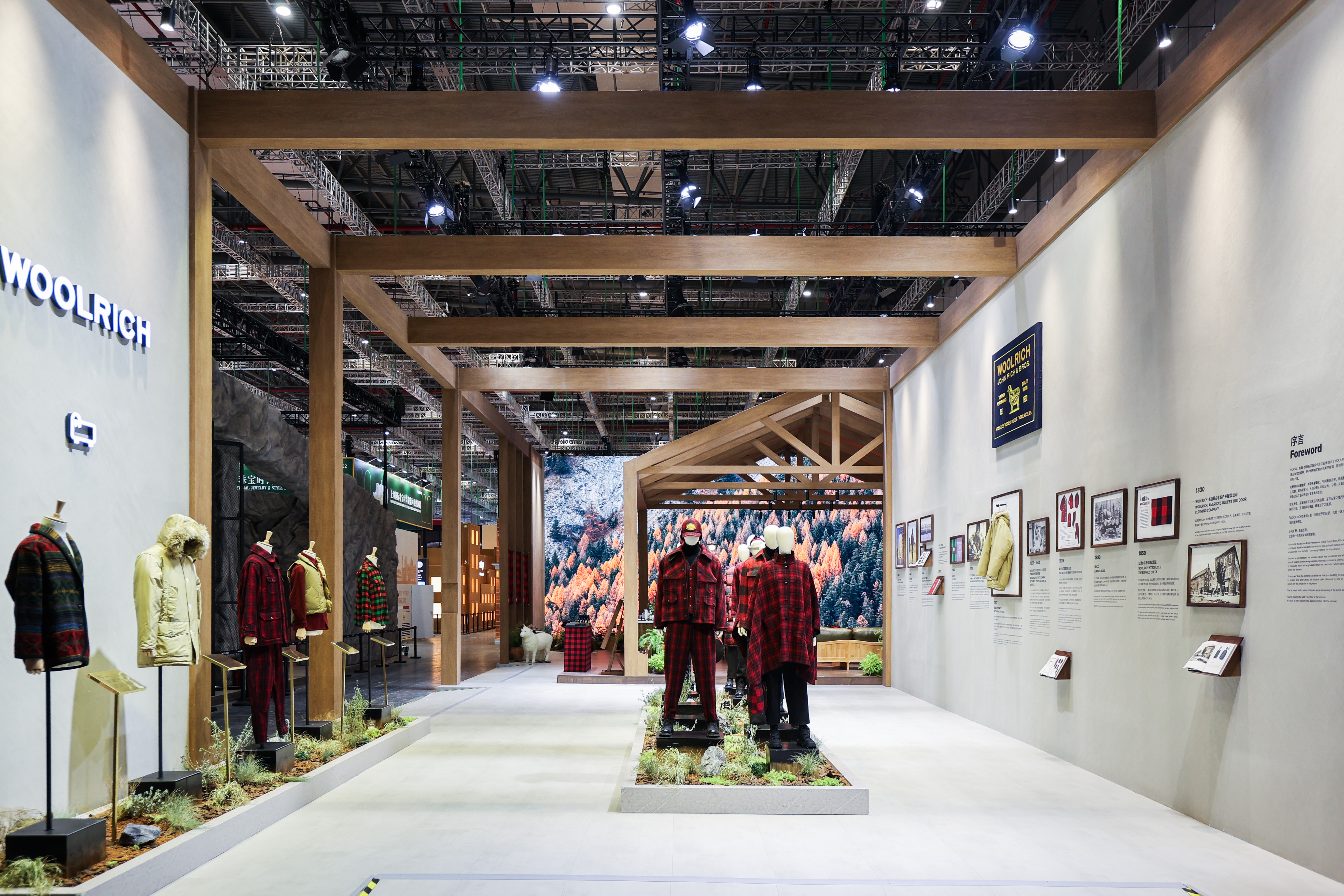
Above: WOOLRICH’s CIIE pavilion
CIIE is the most important platform for international brands to present themselves to the Chinese market. For the first time, WOOLRICH appeared at a national-level exhibition as a “global brand under Baoxiniao“. This was a “formal declaration and commitment” to the entire Chinese market: a direct, concentrated presentation of its renewed identity to government representatives, industry peers, distributors, commercial property operators and the broadest possible audience of Chinese consumers.
Looking back allows the brand to move forward with greater purpose. Behind the work of organising its archives, reshaping its identity and building an operating model lies WOOLRICH’s firm commitment to sustained investment in China.
CIIE sends international brands a clear message of China’s openness to cooperation and shared opportunities. The partnership between WOOLRICH and Baoxiniao Group reflects this principle, while its long-term commitment to deepening its presence in China is also a vote of confidence in the Chinese market from an international brand.
How Can a “Wilderness Luxury” Lifestyle Resonate With Chinese Consumers?
In 1830, John Rich crossed the Atlantic, bringing with him the wool-processing techniques his father had mastered in Britain, and established a woollen mill in Pennsylvania. The combination of “wool” and “Rich” gave the brand its name.
How can WOOLRICH make its long history and transatlantic cultural heritage resonate with today’s Chinese consumers?
The head of the brand said candidly, “Over the next year or two, our most important task is to build WOOLRICH’s global team and ensure that everyone internally truly understands its positioning as a ‘wilderness luxury lifestyle‘ brand.”
What does “wilderness luxury” mean? WOOLRICH’s answer is a spirit of outdoor exploration, a long-term outlook, and a combination of practicality and aesthetics.
The executive stressed that the “wilderness” in WOOLRICH’s positioning does not refer to hardcore outdoor pursuits or conquering nature, as these ideas are often understood in today’s Chinese market. Rather, it refers to the “wilderness DNA” embedded in the brand’s core, born of the practical demands of working in harsh environments:
Founder John Rich’s first mill stood beside a stream called Little Plum Run. It sold woollen fabrics to nearby loggers and outdoor workers, who used them to make clothing that protected them from the harsh weather of north-central Pennsylvania. In 1850, the brand’s classic red-and-black Buffalo Check shirt was introduced and immediately found favour with workers and outdoor enthusiasts.
Later, as railway workers arrived, WOOLRICH designed a “Railroad Vest” with convenient storage for pocket watches and tickets. In 1939, WOOLRICH supplied 1,296 all-wool garments for Admiral Byrd’s Antarctic expedition. In 1972, it introduced the Arctic Parka, designed to protect workers on the Alaska pipeline from extreme cold.

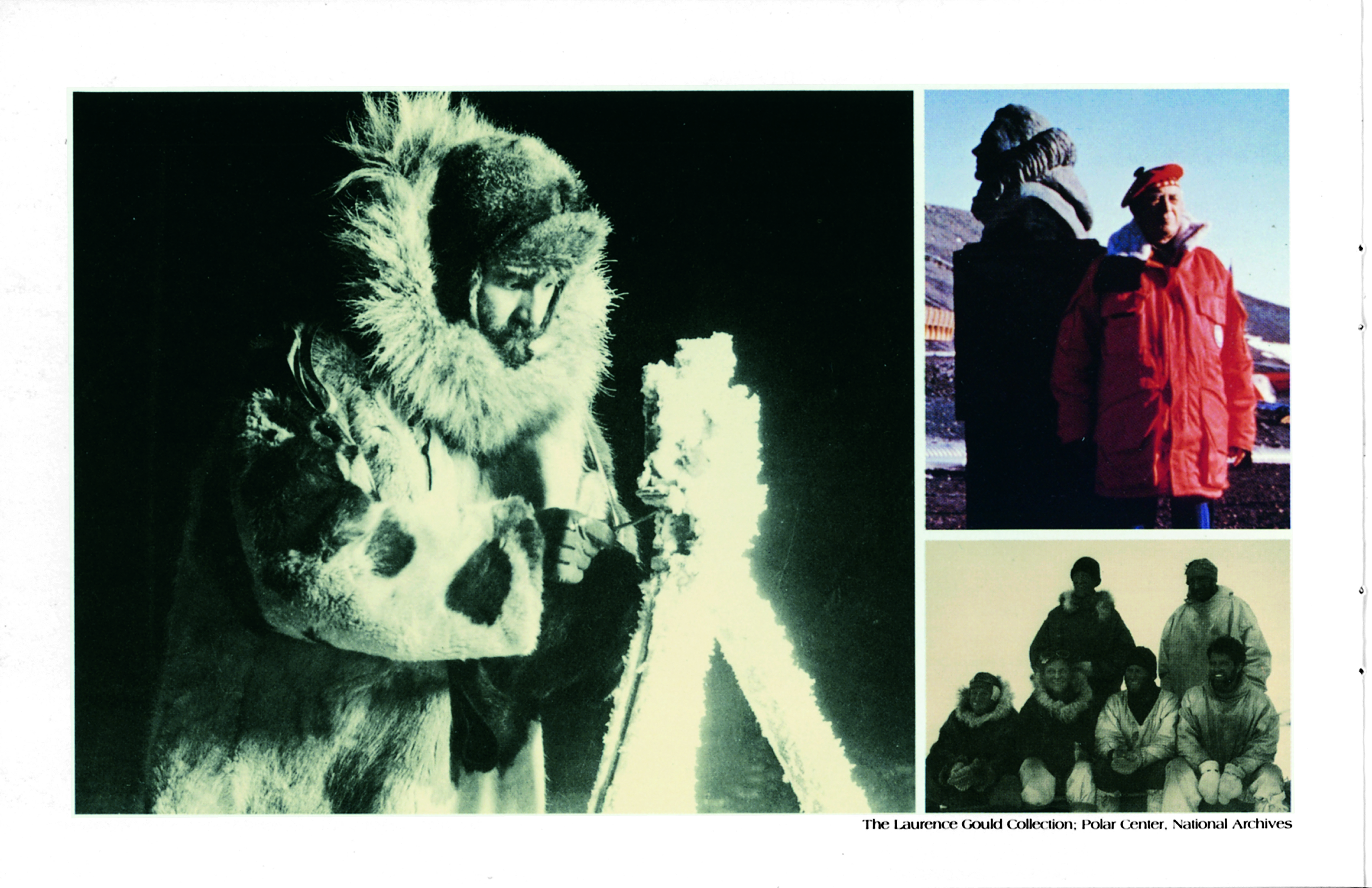
Above: WOOLRICH supplied clothing for an Antarctic expedition
Today, however, China’s market and consumers have moved beyond the need for survival in extreme conditions. What they seek is a sense of ease amid the relentless pace of city life, knowing they can “step away at any moment”.
This is neither the fleeting experience of a short getaway nor something as unattainable as a polar expedition or climbing Mount Everest. It is about finding an idyllic retreat, beyond the city, where life flourishes at the foot of the mountains, putting on comfortable woollen clothing and beginning an honest conversation with oneself. It means quietly enjoying this “quiet luxury” and finding inner peace and composure.
WOOLRICH is responding to these aspirations by turning its “wilderness DNA” into an emotional anchor for consumers. Its products blend signature brand elements with contemporary design, translating them into a “wilderness luxury” aesthetic suited to the fabric of urban life in China. The head of the brand showed us, for example, how certain products had been deliberately given a rugged character: simple, yet authentic.
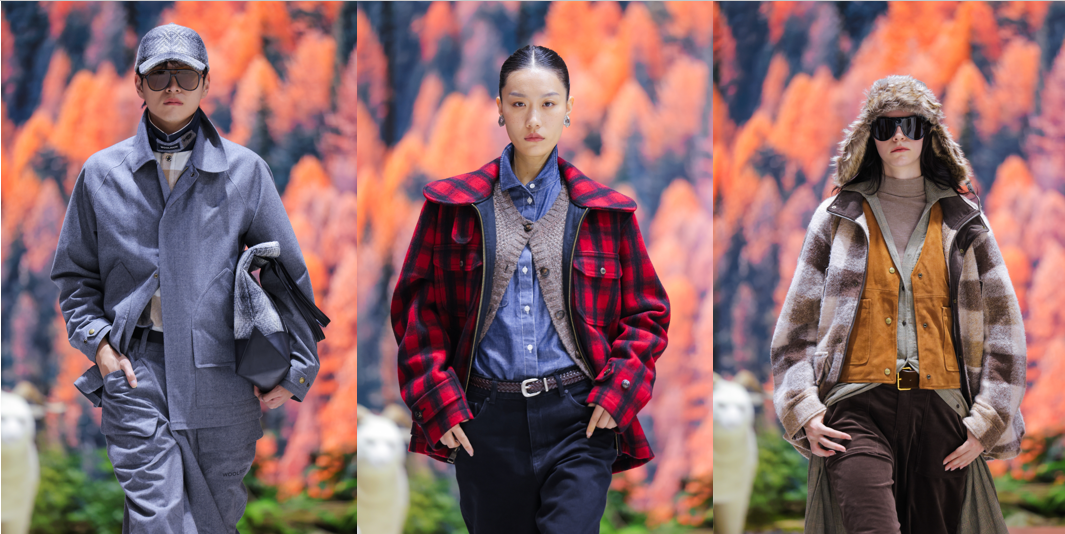
Above: WOOLRICH unveiled its latest collections at CIIE (use a swipeable carousel on WeChat)
Luxe.CO learned that WOOLRICH has established three clearly defined product lines:
MAIN LABEL incorporates bright colours and a variety of materials;
OUTDOOR LABEL, established in 2018, balances functionality with aesthetic expression;
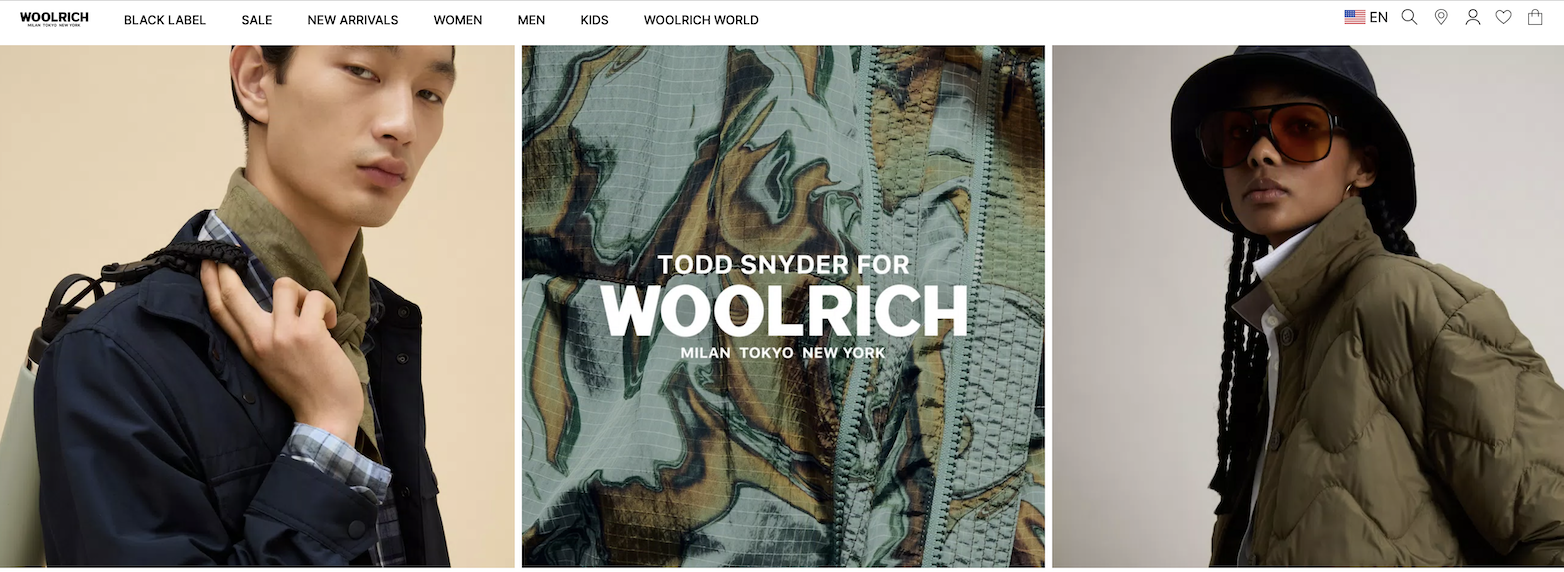
The luxury-positioned BLACK LABEL, established in 2023 with American designer Todd Snyder as Creative Director, further elevates fabric quality, craftsmanship and design. It has appeared at both Pitti Uomo in Florence and Milan Men’s Fashion Week.
To bring its products into relevant settings, WOOLRICH has partnered with Songtsam hotels, taking them into travel experiences amid high plateaux and snow-capped mountains to reach customers seeking exceptional experiences. The head of the brand revealed that WOOLRICH’s core audience in China is currently relatively insensitive to price and does not use clothing to signal status. These consumers do, however, have higher expectations of fashion and a highly developed aesthetic sensibility.
Moving from “buying clothes” to “joining a community”, WOOLRICH is seeking to create an immersive “wilderness luxury” community. Its stores draw on cabin architecture and wilderness aesthetics to create an immersive experience, while partnerships with premium hotels, campsites and other outdoor destinations help build communities through the brand’s own channels. By nurturing a sense of “cultural affinity”, it aims to strengthen brand loyalty over time.
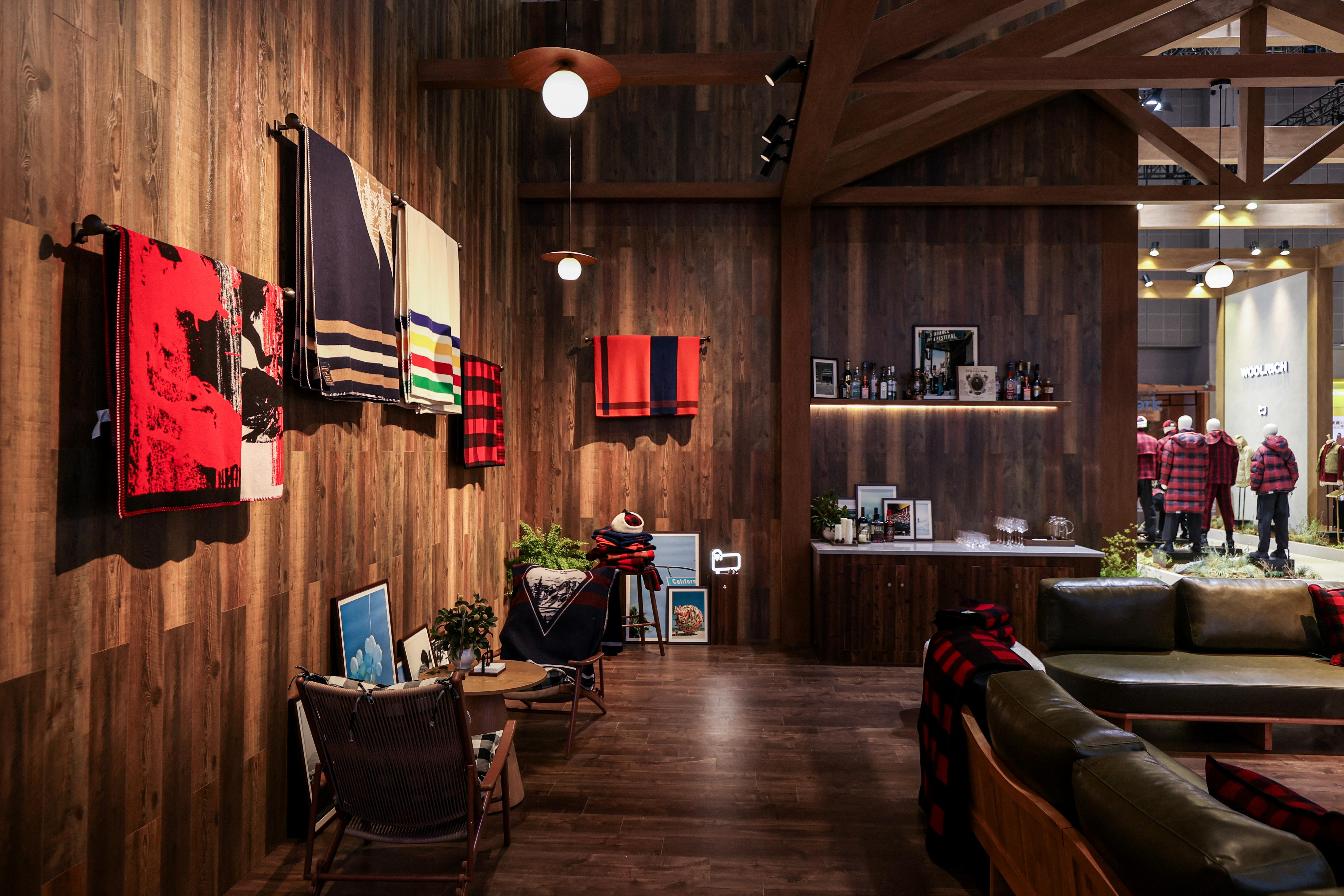
Above: WOOLRICH’s CIIE pavilion
A New Chapter at 200: WOOLRICH’s Global Coordination and China Strategy
The head of the brand acknowledged that WOOLRICH is “only just getting started” in China.
Although consumers’ shift towards “a reassessment of value” creates opportunities to capture demand spilling over from other brands, the real challenge lies in bringing the brand and the Chinese market into alignment. How can WOOLRICH balance its heritage with localisation? How can it make its “contemporary language of quiet luxury” understood by Chinese consumers?
This requires a strong ability to tell locally relevant stories and adapt quickly. Yet WOOLRICH’s distinctive “wilderness luxury lifestyle” positioning has few direct reference points in today’s Chinese market, while details such as its product mix and spatial experiences still need further development.
Nevertheless, the head of the brand emphasised, “Whether in terms of strategy, supply chain resources or marketing investment, WOOLRICH is a very important strategic project for the group.“
From its pop-up space in Beijing’s Sanlitun to its Shanghai concept store and now its CIIE debut, WOOLRICH has steadily signalled its commitment to China under Baoxiniao Group’s leadership. Supporting this is access to the full breadth of Baoxiniao’s resources: sharp local market insights, a responsive supply chain, strong relationships with premium shopping malls, finely tuned store operations and integrated omnichannel retail, among others.
WOOLRICH’s first flagship store in China is expected to open in 2027.
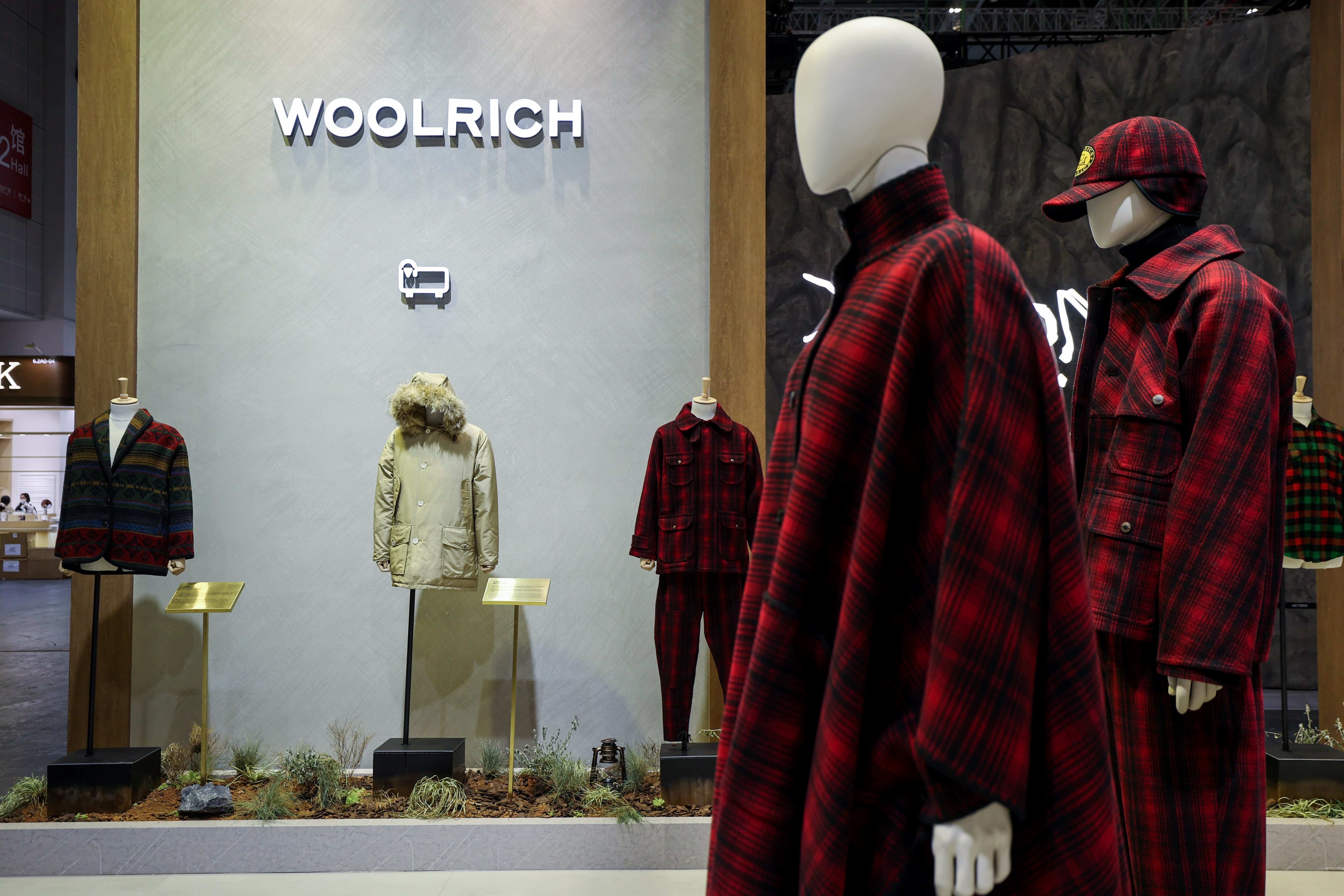
Above: WOOLRICH’s CIIE pavilion
Under WOOLRICH’s global governance structure, the rights to use the brand in Europe belong to Italian fashion group BasicNet, while Baoxiniao Group is responsible for all territories outside Europe. The two companies operate in parallel while working closely together. With continuity of the brand’s DNA assured, strategies vary slightly by market: Europe operates through an established model centred on Italy, while Japan is exploring a more youthful, mountain-inspired outdoor direction. Across product design and marketing communications, the brand maintains a highly consistent global tone and product aesthetic.
WOOLRICH products are currently available in 36 countries through more than 3,000 points of sale, including leading department stores such as Rinascente in Milan, Harrods in London and Galeries Lafayette in Paris. In the US, the team has set a goal of opening a New York flagship by 2030, the brand’s 200th anniversary.
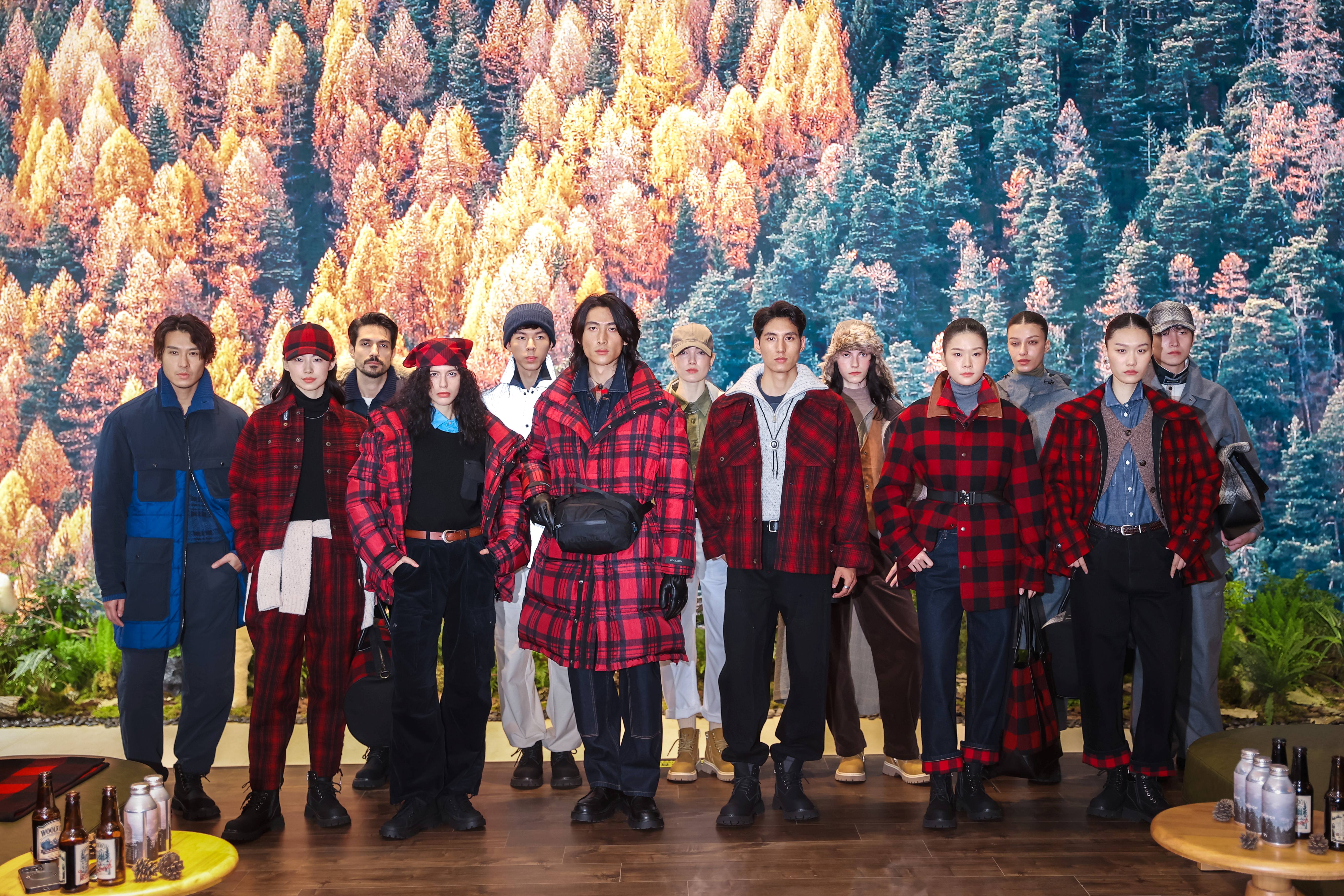
Above: WOOLRICH unveiled its latest collections at CIIE
Conclusion
As China’s premium market undergoes adjustment and reshaping, WOOLRICH’s participation in CIIE offers a case worth watching.
On one level, it reflects how Chinese apparel groups bringing overseas brands into China are moving beyond “acquiring brands” towards “operating brands”. Their focus extends beyond establishing distribution to organising archives, building brand equity and shaping brand identities, using systematic operating capabilities to renew brand value. WOOLRICH’s connected sequence of initiatives, from its Beijing pop-up and Shanghai concept store to its CIIE debut, is a concrete expression of this shift.
On another level, it demonstrates CIIE’s value as an important platform through which Chinese partners can help overseas brands deepen their understanding of China and engage with the industry. Through CIIE, WOOLRICH was able to address government representatives, the industry, distribution partners and consumers in one place. Its Chinese partner, in turn, was able to use this open platform to forge deeper connections between the overseas brand, the market and the industry.
Seen in this light, the emerging partnership model of “Chinese apparel group + international heritage brand” depends on more than “buying a brand”. It requires respecting and systematically reviewing brand assets, reshaping and strengthening brand identity, steadily developing distribution and continuing to invest in innovation. Only by bringing together the historical depth and proven functionality of a global brand with the depth of China’s supply chains and the breadth of its distribution networks can such partnerships navigate market cycles in a fiercely competitive environment.
| Image Credit: courtesy of WOOLRICH
| Editor: Elisa