March 19, 2026, marked the successful conclusion of the “Luxe.CO Fashion Innovation and Investment Forum” at the Jing An Shangri-La Hotel in Shanghai.
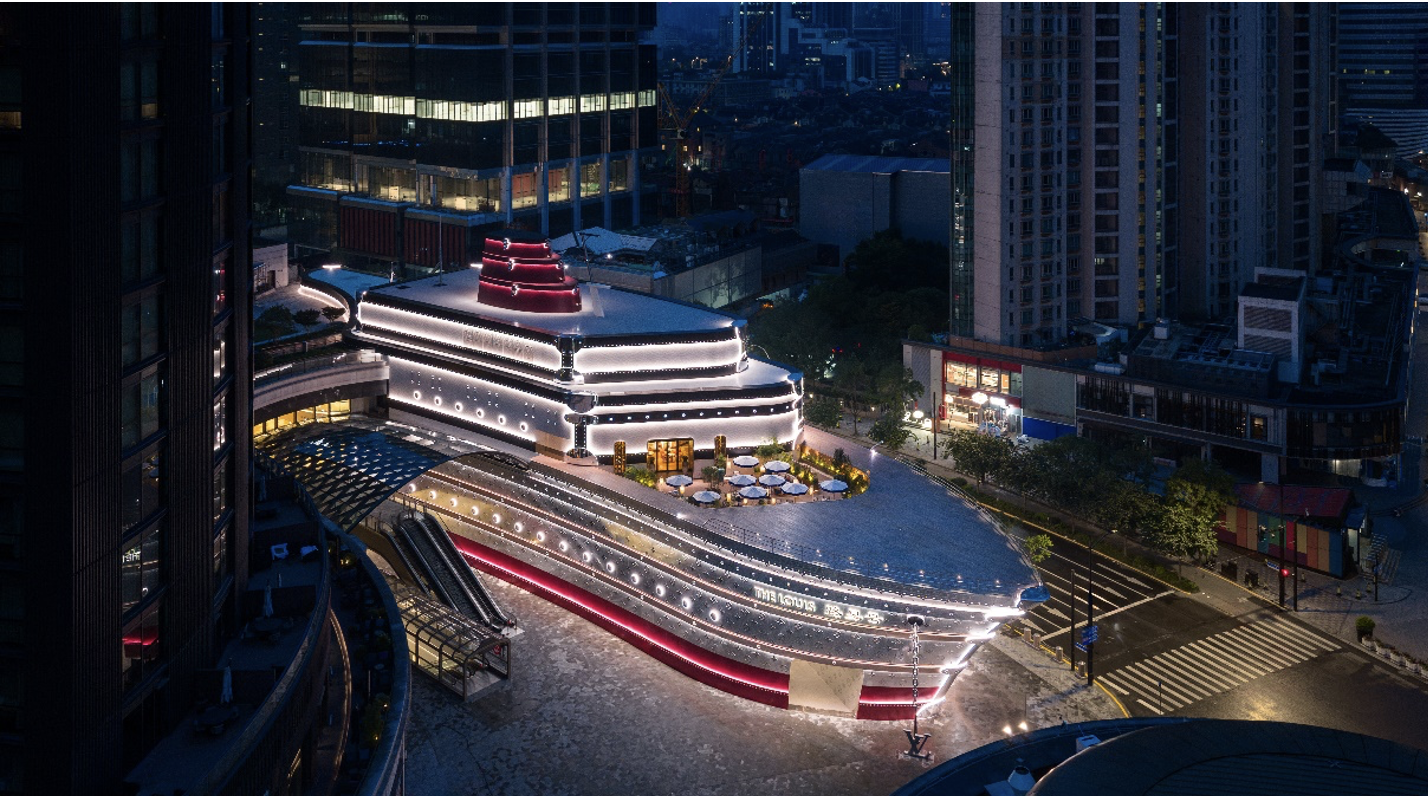
During the themed discussion “How High-End Commercial Complexes Can Respond to Dramatic Market Changes Through Innovation,” Calvin See, Co-General Manager of HKRI Taikoo Hui and Board Director of Zhangyuan Commercial Management, shared valuable operational insights from HKRI Taikoo Hui and Zhangyuan. Using Louis Vuitton’s “Louis” ship-themed installation at HKRI Taikoo Hui—an iconic and highly influential success—as a case study, he elaborated on the critical importance of “favorable timing, geographical advantage, and human harmony” for high-end commercial complexes.
Calvin See emphasized that as consumer demand in the Chinese Mainland continues to premiumise, commercial complexes must continually layer innovative experiences and deeply integrate local culture. Through compelling storytelling, they can forge strong emotional connections between brands and high-end consumers.
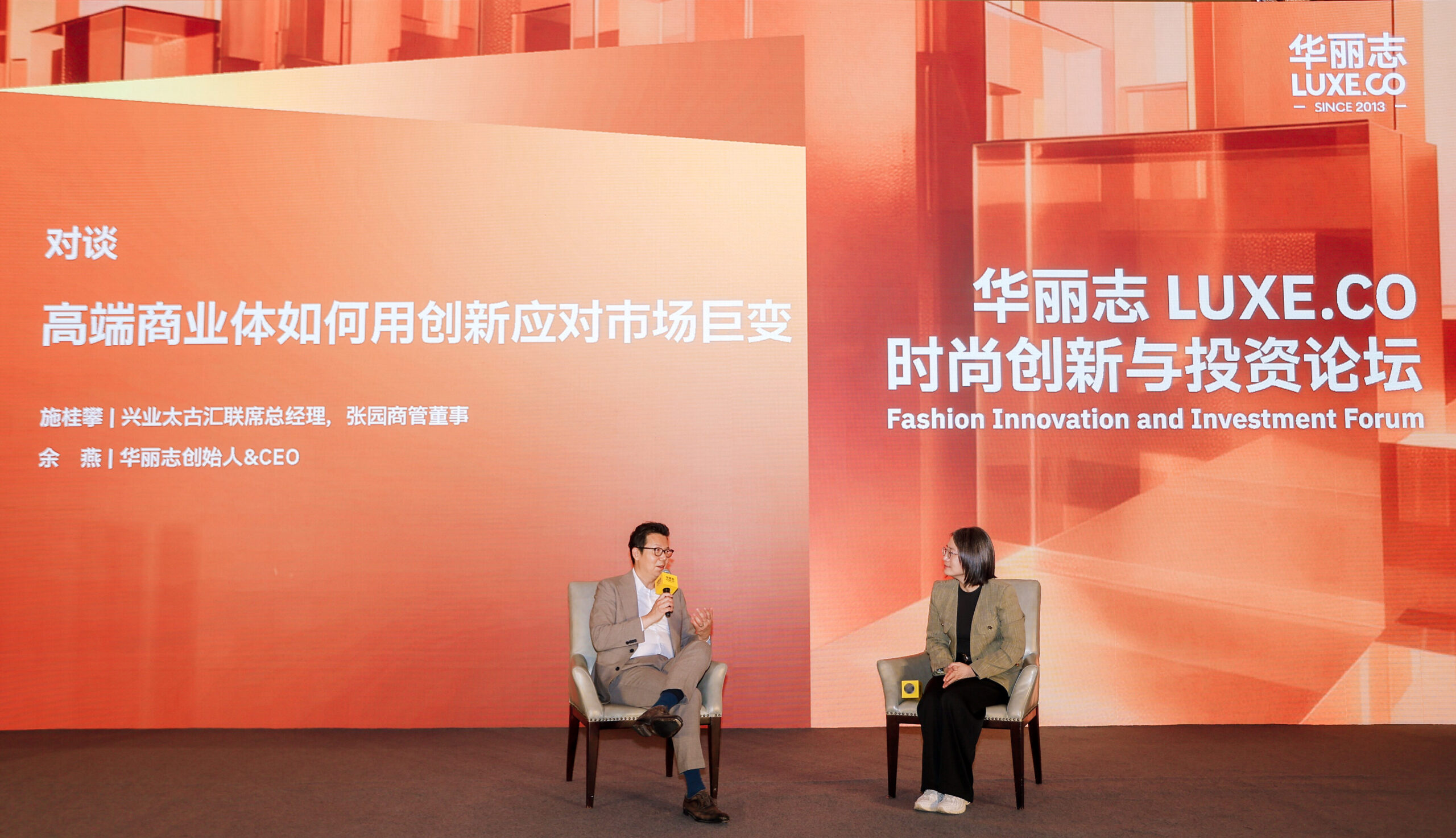
Left: Calvin See, Co-General Manager of HKRI Taikoo Hui and Board Director of Zhangyuan Commercial Management Right: Alicia Yu, Founder of Luxe.CO
Below is the full transcript of the discussion:
Signature Case: The “Right Timing, Right Location, and Right People” Behind the Launch of “Louis”
Alicia Yu: Last year, HKRI Taikoo Hui unveiled the “Louis” landmark—a brand-new conceptual installation—in the heart of Shanghai. Could you share the story behind the project’s journey from planning to execution?
Calvin See: The successful realization of the project relied on “the right timing, the right location, and the right people.” In the post-pandemic era, consumer markets and behaviors in China and globally have changed. Consumers are now seeking value beyond material possessions. In fact, Chinese consumers still possess strong spending potential—the key lies in how to effectively unlock it. This represents the “right timing.”
With this timing in place, the entire retail industry has been actively exploring ways to provide added value—such as experiential and emotional value—to stimulate consumer spending. In this context, retailers and brands have formed a mutually reinforcing relationship, both aiming to drive consumption by enhancing experiential engagement.
HKRI Taikoo Hui enjoys the advantage of a prime central Shanghai location—the “right location”—along with a strong spirit of innovation. Meanwhile, Louis Vuitton had already introduced experiential architectural concepts in leading global cities, such as trunk-shaped buildings on New York’s Fifth Avenue and Paris’s Champs-Élysées, making consumers familiar with such expressions.
This led the brand to recognize that HKRI Taikoo Hui inherently embodied both “right timing” and “right location.” Its ship-like architectural form aligns perfectly with Louis Vuitton’s travel heritage. At the same time, trends such as Guochao (China-chic), cultural confidence, and appreciation for local culture—especially among younger consumers—have gained momentum. The ship-shaped structure also resonates with Shanghai’s urban spirit and port culture.
“The right people” refers to the strong alignment among all stakeholders. Beyond the brand itself, the local government and project partners demonstrated remarkable foresight. With swift coordination and the efficiency of China’s manufacturing and supply chains, the project was successfully completed in just a few months.
From Consumer Insights to Operational Methodology: Deep Innovation and Embracing Local Culture
Alicia Yu: In today’s relatively challenging market environment, many brands are becoming more cautious or even scaling back. Over the past year or so, what adjustments have you observed among international and Chinese brands?
Calvin See: Consumers are no longer satisfied with traditional “basic consumption,” which focuses solely on material ownership. Today’s consumers seek multidimensional value. For example, cosmetics brands are adding spa rooms; outdoor brands are enhancing fashion elements to suit multiple scenarios; and luxury brands are offering more exclusive services for high-net-worth clients. Both international and domestic brands are layering value to create better experiences.
Alicia Yu: As consumers become more discerning and demand greater value, expectations for both brands and commercial complexes are rising. We’ve seen significant adjustments in business formats and brand portfolios along Nanjing West Road in recent years. Could you share your methodology?
Calvin See: First, innovation is crucial, but value enhancement must balance classic and trendy elements. Deeply rooted innovation can evolve into enduring cultural milestones, while trend-driven innovation aligned with contemporary aesthetics continually attracts attention. Both are valuable—classic elements provide longevity, while trendy elements satisfy consumers, especially younger audiences, seeking novelty. Only by balancing both can higher-value innovation be achieved.
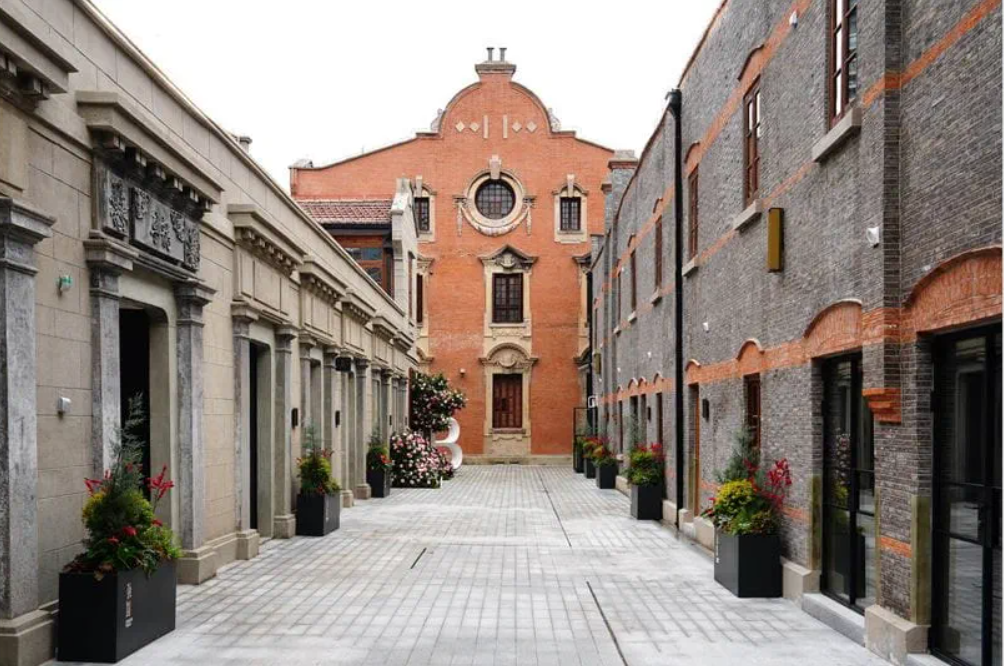
Second, it is essential to embrace local culture. For instance, Chengdu Taikoo Li integrates with western Sichuan culture; Taikoo Li Sanlitun in Beijing reflects hutong culture in the South District and courtyard-style architecture in the North District; and HKRI Taikoo Hui and Zhangyuan in Shanghai showcase the city’s historic and modern Shanghainese (Haipai) cultural charm. We must not forget regional history, as cultural heritage is continuously passed down. Luxury brands follow the same principle—Louis Vuitton’s ship-shaped “Louis” in Shanghai and its culturally inspired events in Chengdu are prime examples.
The key is to ensure consumers feel that a brand is not a foreign import but one with which they share an emotional connection. This is especially important as Chinese consumers, particularly the younger generation, possess strong cultural confidence.
Looking Ahead: Enriching Business Formats and Elevating Experiences
Yu Ya: How do you view the development of Chinese domestic brands in recent years? What differences do you see compared with the past?
Calvin See: In recent years, price positioning between luxury and accessible luxury brands has become more distinct. Both China-chic and internationally accessible luxury brands have found growth opportunities within specific price segments. Cultural confidence among young consumers has fueled the rise of China-chic, while accessible luxury allows consumers to remain prudent yet still engage in aspirational consumption.
Another trend is that top-tier luxury brands are introducing products with accessible luxury positioning or incorporating China-chic and local cultural elements. These more approachable offerings help stimulate broader consumer demand.
China-chic products are of high quality, and many founders possess global perspectives, elevating overall brand standards and product diversity. That is why we are willing to offer prime retail spaces to emerging brands—to introduce more interesting, innovative, and diverse business formats and enrich the overall commercial ecosystem.
Yu Yan: What is your outlook for the high-end retail market this year and next? What specific plans do HKRI Taikoo Hui and Zhangyuan have?
Calvin See: The high-end retail market will continue to focus on enhancing the “experience.” Beyond using premium materials and superior design to create better products, brands must guide consumers to understand their history and craftsmanship. When consumers recognize the depth of heritage and technical expertise behind a brand, they become more willing to make purchases.
Regarding future plans, one priority is enhancing connectivity across the area, which will become a transportation hub integrating three metro lines. Another is enriching the business ecosystem by attracting more experiential and story-driven brands along the commercial axis—continuously embracing experience and innovation while enhancing content diversity.
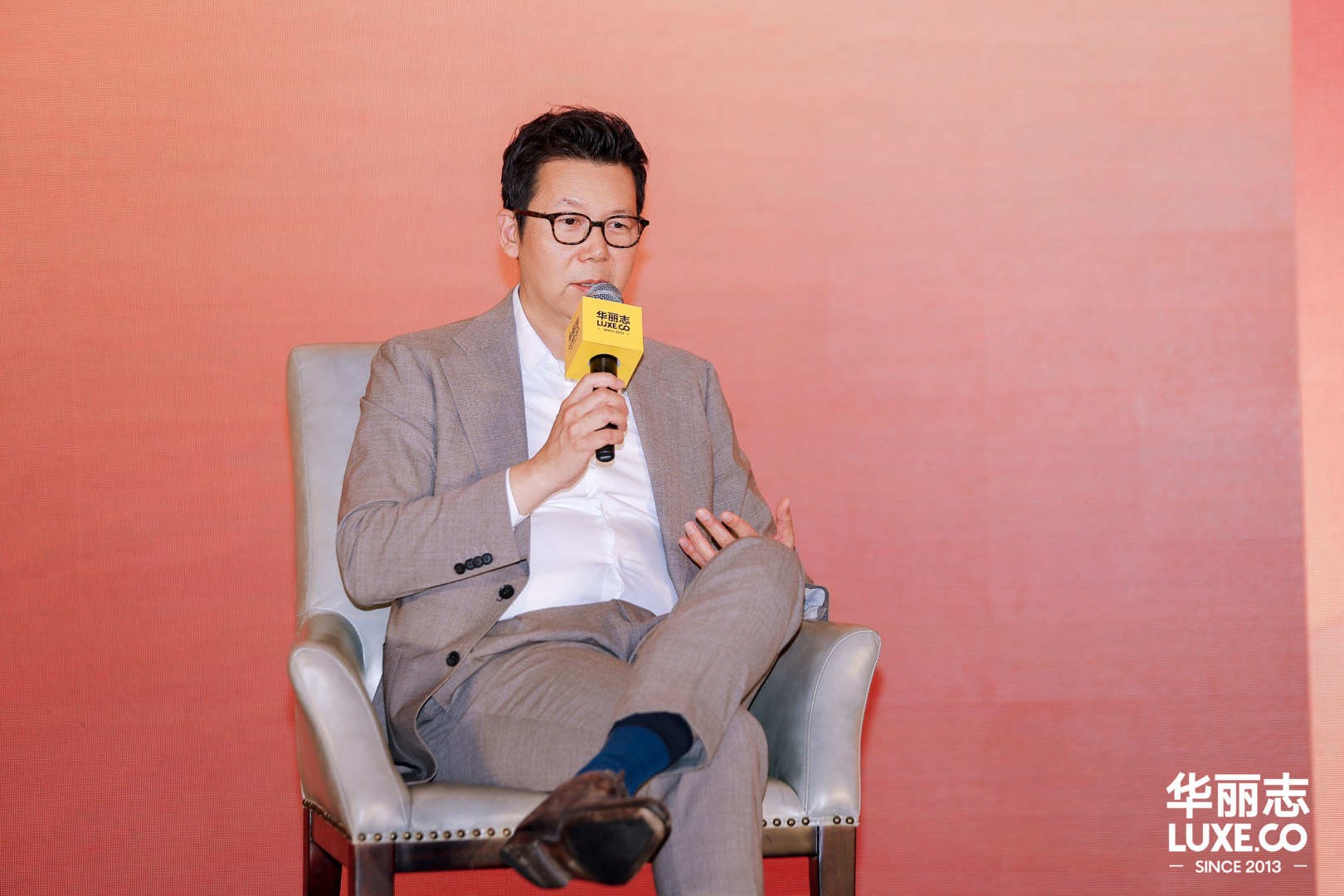
Calvin See is the Co-General Manager of HKRI Taikoo Hui and a Board Director of Zhangyuan Commercial Management. A seasoned executive, he has served at Swire Properties for over 25 years, including 10 years working on the development and operations of Taikoo Li Sanlitun and INDIGO (Taikoo Place) in Beijing, and five years overseeing leasing and operations at Chengdu Taikoo Li. He is currently responsible for operations at HKRI Taikoo Hui and Zhangyuan in Shanghai.
About the Luxe.CO Fashion Innovation and Investment Forum
Twelve years ago, Luxeplace recognized the vital importance of high-quality information, communication, and research for the development of mid-to-high-end brands. Beginning with the delivery of professional and comprehensive financial and business intelligence, Luxeplace has accumulated extensive proprietary data and case assets, generating unique insights into brands and specialized industries.
The company has built a robust and sustainable system for producing high-quality content and research, making Luxeplace a source of certainty in the dynamic and often volatile fashion and luxury industry. It provides decision-makers with powerful leverage for shaping the future while naturally attracting China’s most distinguished high-end readership.
Through continuous evolution and advancement, Luxeplace has engaged in deep exchanges and collaborations with an expanding network of outstanding entrepreneurs, investors, and business leaders, becoming a trusted partner in their journeys. When this high-quality accumulation and interaction reached a critical point, the “Luxeplace Fashion Innovation and Investment Forum” was launched.
Since 2015, Luxeplace has hosted eight high-level industry forums and hundreds of online and offline themed events, creating a high-density, high-quality platform for face-to-face exchange among elites in the “Big Fashion” industry.
| Image Credit: Luxe.CO, Louis Vuitton, Zhangyuan
| Editor: Maier