While luxury brands are generally facing sluggish growth in the Chinese market, the “accessible luxury” segment is bucking the trend and showing strong momentum.
The latest financial results released by Tapestry, the parent company of American accessible luxury leather goods brand Coach, for the second quarter of fiscal year 2026 (ended December 27, 2025) were eye-catching: quarterly revenue reached USD 2.5 billion. At constant exchange rates and excluding the Stuart Weitzman brand (which has been announced for divestment), revenue increased by 18% year-on-year.
Among all regions, the Chinese market emerged as the biggest highlight: revenue in Greater China rose by 34% year-on-year (at constant exchange rates and excluding Stuart Weitzman), while core brand Coach achieved an even stronger 37% surge in Greater China, far exceeding management expectations.
In this article, Luxe.CO will draw on insights shared by three Tapestry executives during the post-earnings analyst conference call, Group Chief Executive Officer Joanne Crevoiserat, Group Chief Financial Officer and Chief Operating Officer Scott Roe, and Coach Brand Chief Executive Officer Todd Kahn, to decode the two key growth drivers behind this better-than-expected performance:
-
Expanding the customer base through digital capabilities and youth-oriented marketing
-
A high degree of localisation in products and marketing
1. Expanding the customer base through digital capabilities and youth-oriented marketing
New customer acquisition, particularly the influx of Gen Z consumers, has been a major factor. Rather than relying solely on repeat purchases from existing customers, Tapestry successfully expanded its reach through digital tools and youth-focused marketing.
Responding to analysts’ questions about the strong performance in the Chinese market, Joanne Crevoiserat offered a detailed explanation:
“The Chinese market continues to represent a long-term opportunity for our brands. Our performance far exceeded our expectations and significantly outpaced the industry in China. So let me pause here to talk about what is driving our growth and market share gains — the significant share gains in the market are coming from new customer acquisition, which is being led by Gen Z. And that is a consistent theme globally.”
“We are seeing growth across channels in China, with digital leading, which means we are meeting our customers where they are. We are gaining share. And this continues to represent a very important long-term opportunity for us.”

Scott Roe specifically highlighted the success of digital channels during the Double 11 shopping festival:
“Digital was a meaningful contributor, with Coach ranking among the top-performing brands during Double 11. Our results reflect the impact of our focused strategy and investments, and we are well-positioned to drive continued momentum in this critical region.”

2. A high degree of localisation in products and marketing
Beyond macro-level digital deployment, Tapestry’s deep localisation in both products and marketing has also been a key success factor.
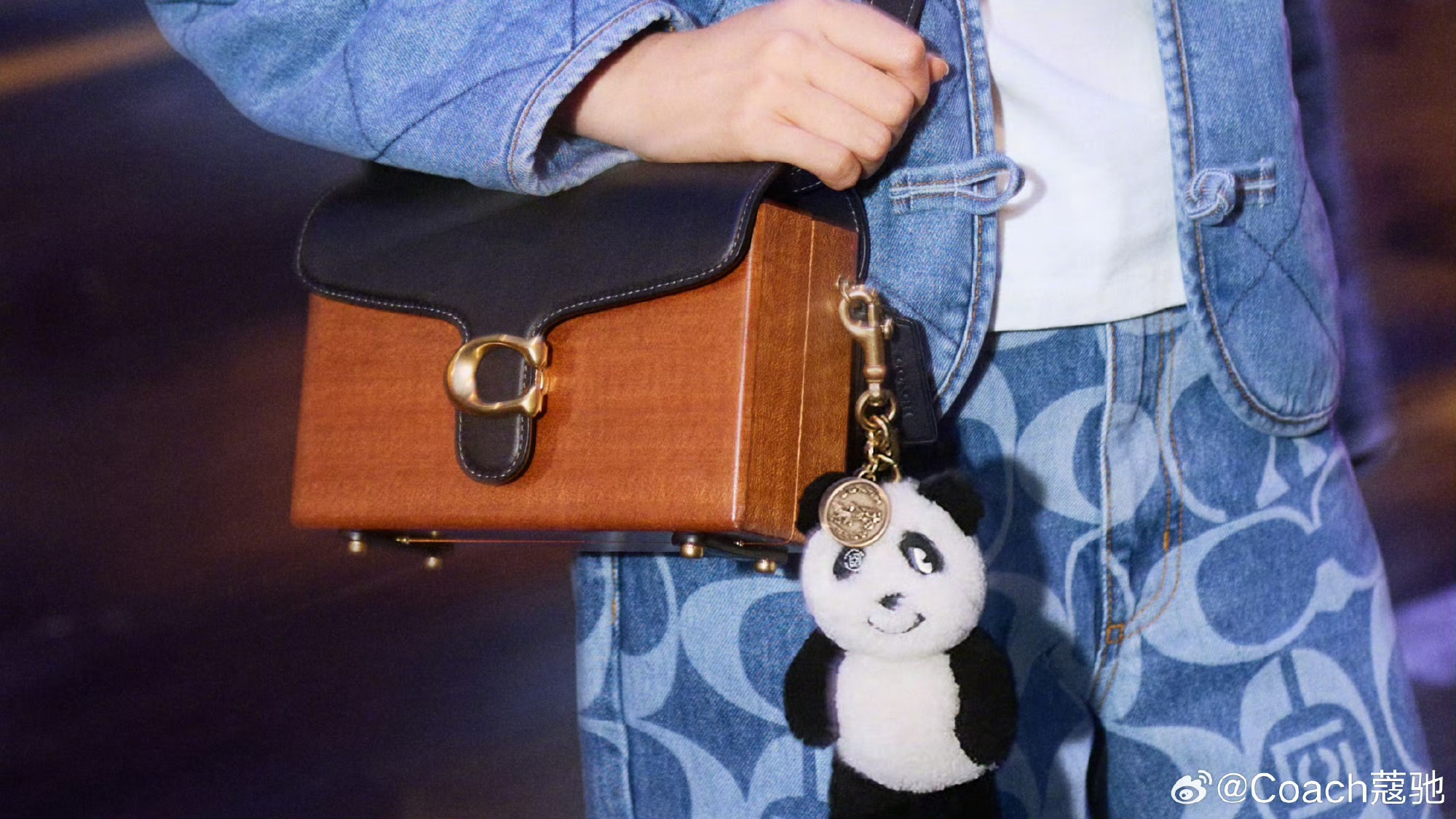
Management specifically pointed to the collaboration with Chinese streetwear brand CLOT as a representative example of blending Coach’s heritage with local street culture.
Joanne Crevoiserat said: “This collaboration bridges heritage and street sensibility, blending Coach’s expressive spirit with CLOT’s disruptive approach to everyday wear, and reinterpreting Coach’s iconic silhouettes through a distinctly Chinese streetwear lens.”
Todd Kahn further elaborated on the strategic thinking behind the collaboration, as well as the brand’s more targeted marketing approach in the Chinese market going forward:
“First, we have to remember that we are building on an incredible foundation. We have been there for more than 20 years, we have hundreds of stores, and we are very close to the Chinese consumer. We integrate our marketing efforts to ensure they resonate with Chinese consumers. The collaboration with CLOT, which is a very cool streetwear brand in China, reinforces all of those attributes for Coach.”
“So we feel very good. You will see us deploy more marketing dollars in China with a very targeted city strategy — not casting a wide net across the entire country, but being very tactical. We will measure it, and when we see that it works, that gives us the confidence to invest more.”
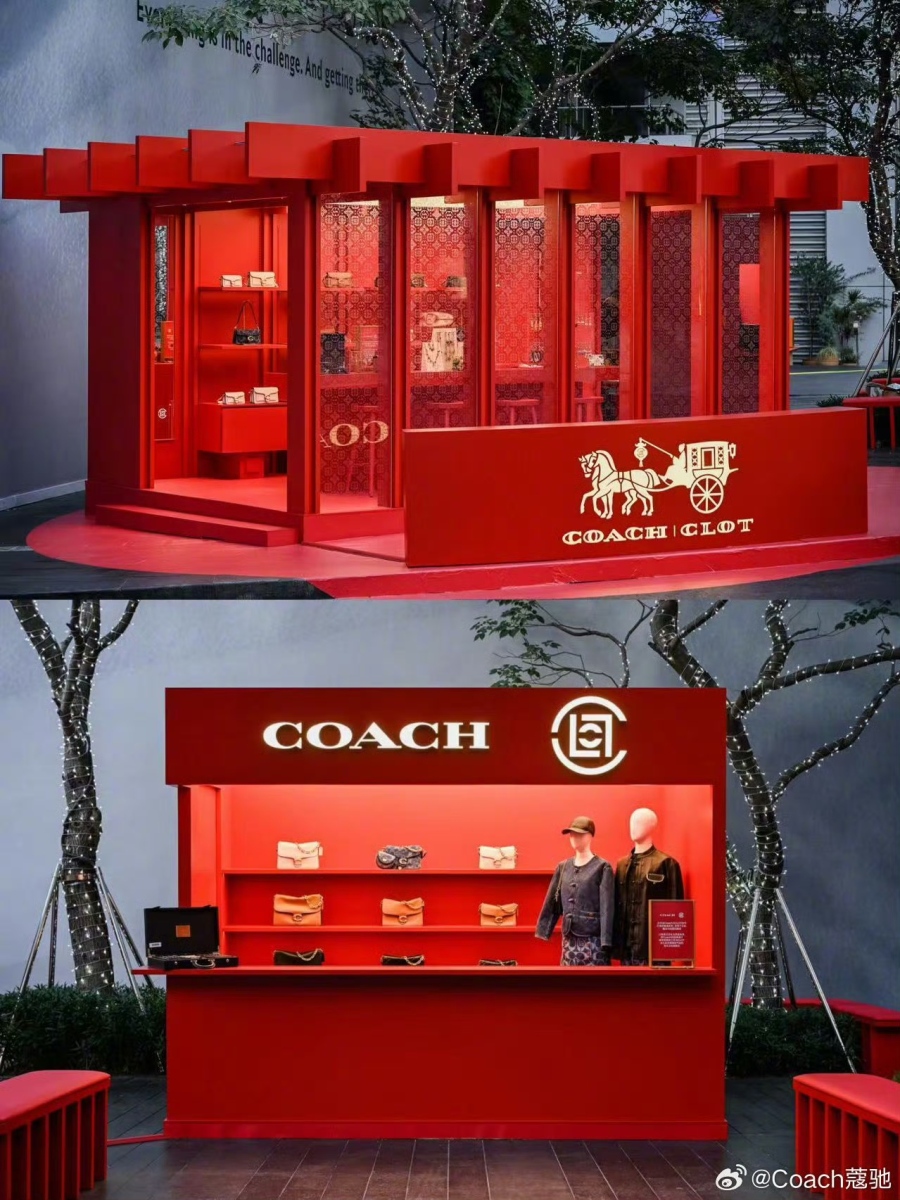
In addition, Tapestry continues to upgrade its physical retail experience to better align with the aesthetic preferences and needs of Chinese consumers. Joanne Crevoiserat noted:
“Continuing to bring expressive luxury to life through unique store formats, including our recently reimagined stores in Ginza, Yorkdale, Macao, and Dubai Mall. These locations enhance brand heat while providing valuable insights that will inform future store investments and expansion.”
During the call, management emphasised that Tapestry’s strong growth demonstrates the resilience of its “accessible luxury / expressive luxury” positioning in the Chinese market.
Joanne Crevoiserat pointed out: “We delivered global growth through engaging experiences, achieving double-digit growth in North America, Greater China, and Europe, significantly outperforming the industry and gaining market share in each of those regions.”
Speaking specifically about the biggest contributor, the Coach brand, Joanne Crevoiserat added:
“Momentum remains strong across all key regions, with North America up 27%, Greater China up 37%, and Europe up 26%, highlighting the brand’s global resonance and the effectiveness of our regional strategies.”
Based on the strong performance in the first half of the year, management significantly raised its full-year guidance for the Chinese market. Scott Roe stated that in Greater China, the company now expects full-year growth of more than 25%.
|Sources: financial reports, earnings conference call
|Image Credit: Group website, brand website, brand Weibo
|Editor: LeZhi