On October 1, US sportswear giant Nike, Inc. (NYSE:NKE) released its financial results for the first quarter of fiscal 2027, ended August 31. Total revenue fell 4% year-on-year to $11.213 billion, or 5% on a currency-neutral basis, below analysts’ expectations of $11.32 billion.
Lower warehousing and logistics costs helped gross margin expand by 60 basis points to 42.8%. Net income fell 2% year-on-year to $712 million. Diluted earnings per share were $0.48, slightly below the $0.49 reported a year earlier.
Greater China revenue for the quarter fell 22% year-on-year to $1.18 billion, or 26% on a currency-neutral basis.
Nike recently disclosed that, from January 2027, it will end its online wholesale partnerships with certain major retailers in China. It will reshape its online marketplace around its official flagship stores on Tmall, JD.com and Douyin, alongside its official website and app. However, Nike President and CEO Elliott Hill acknowledged that restructuring its online channels would take several selling seasons, and revenue and profitability in Greater China would remain under pressure in the short term.
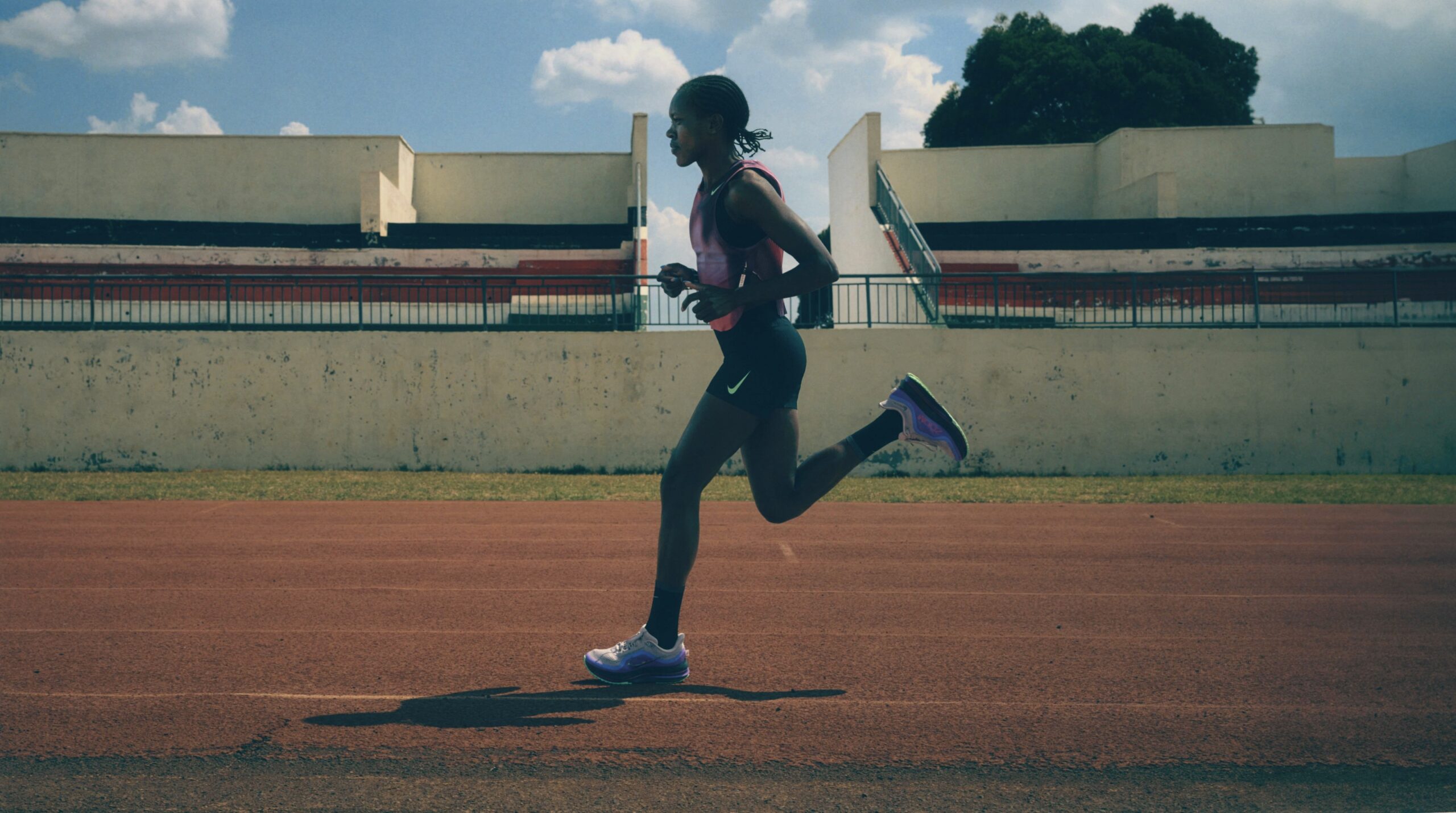
By business category, performance sports categories drove overall growth. Running once again delivered double-digit growth during the quarter, with continued market share gains. Football, supported by World Cup momentum, recorded strong double-digit growth across all four geographic markets. Tennis and golf also achieved double-digit growth.
Elliott Hill said on the earnings call, “Nike’s performance sports business is not yet large enough to offset the pressures facing Nike Sportswear, Jordan Brand and Greater China. Reviving these weaker businesses will take time.”
Nike expects full-year revenue for fiscal 2027 to decline by a high-single-digit percentage, with adjusted diluted earnings per share of $1.15 to $1.35. Analysts had previously forecast an average full-year revenue decline of only around 2%.
On the day the results were released, Nike shares fell 0.71% from the previous day’s close to $35.15, bringing their cumulative decline over the past year to approximately 50%. Its latest market capitalisation was approximately $52.1 billion.
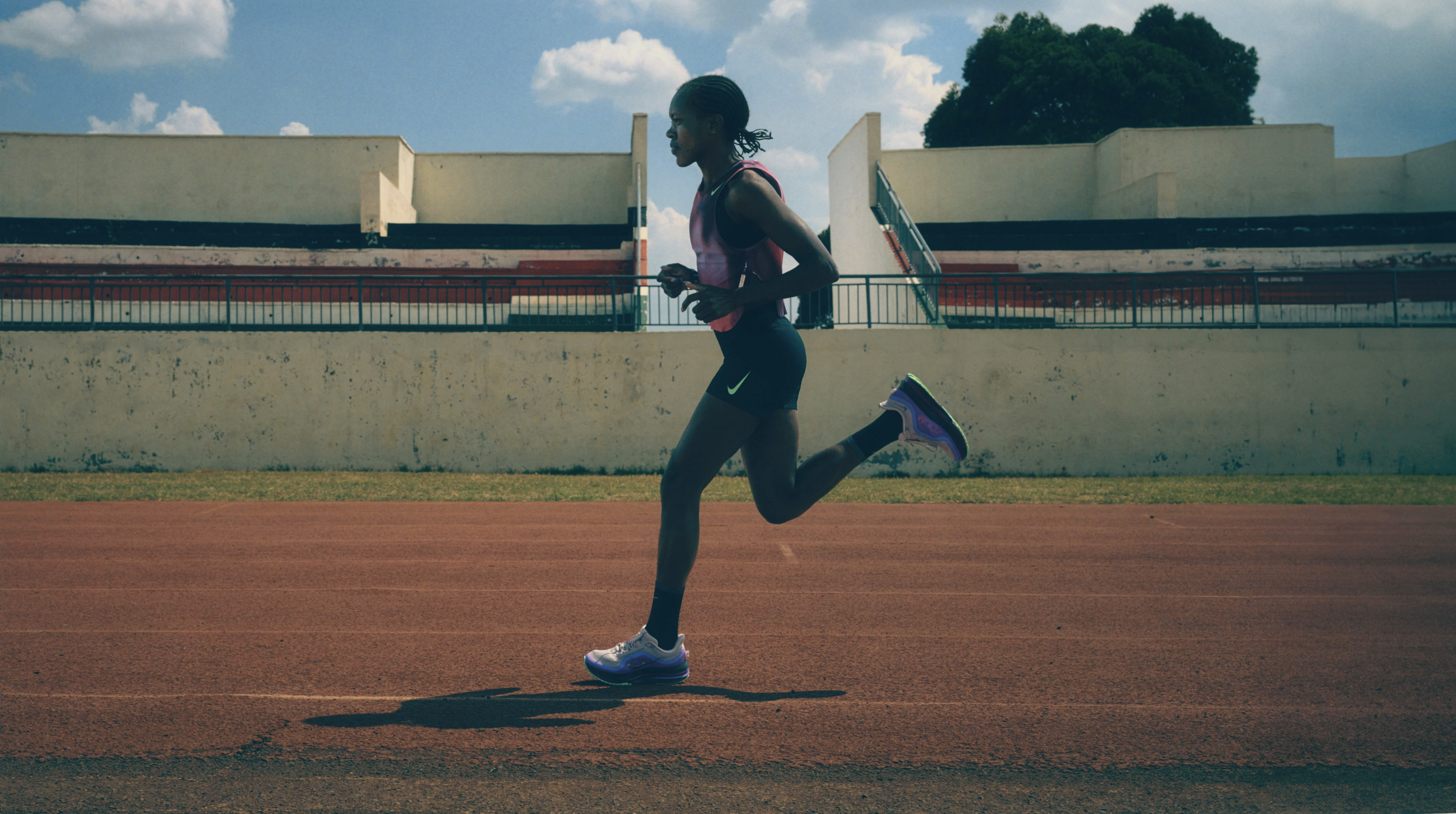
Elliott Hill said, “The Sport Offense is driving measurable progress across our performance business, and we introduced Pace to help us accelerate and scale that momentum across NIKE. We have more work to do in NIKE Sportswear, Jordan Brand and Greater China, and we’re taking deliberate actions to strengthen those businesses the right way for the long-term.”
Alongside its financial results, Nike announced the Pace transformation programme to reshape its operating model around four core priorities:
1. Accelerating supply chain modernisation
Launched more than a year ago, this initiative has already made significant progress, according to the company. It includes introducing new technology solutions and a more flexible cost structure to improve delivery efficiency, service levels and profitability, while increasing its flexibility to respond to changing consumer demand.
2. Reorganising into three geographic business regions
The three new regions will be the Americas (combining North America and Latin America), Asia Pacific and Greater China, or APGC (combining Asia Pacific and Greater China), and Europe, the Middle East and Africa, or EMEA (retaining its existing geographic scope). Following the restructuring, the headquarters for Asia Pacific and Greater China will be based in Singapore. The new organisational structure is expected to take effect in fiscal 2028. about.nike.com
3. Establishing a new campus in India
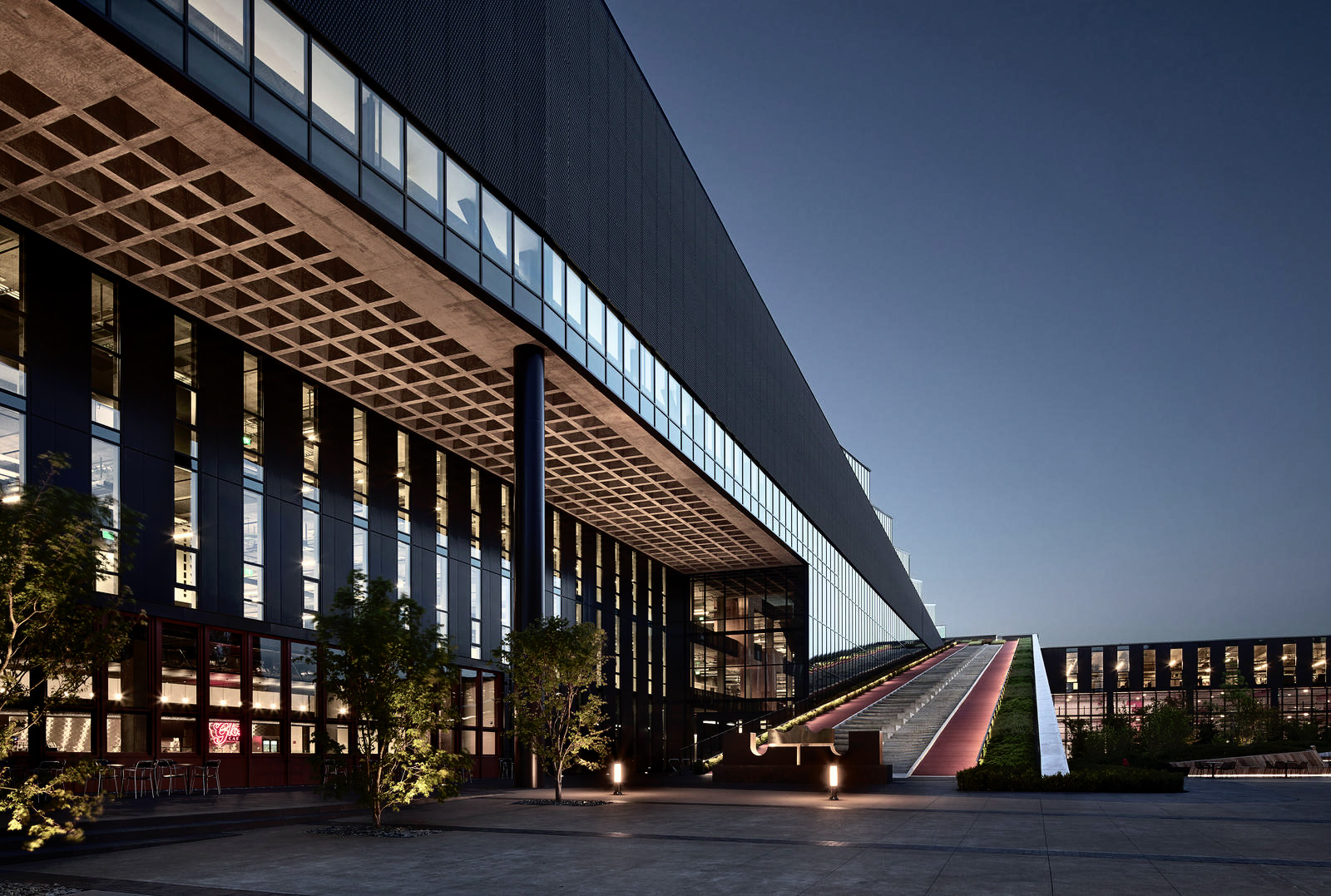
Nike will establish a new campus in Bengaluru, India. The company said India was already an important growth market and manufacturing base for Nike, with a strong talent pool. The Bengaluru campus represents a long-term investment to strengthen its ability to serve athletes globally and in India. Existing employees in India will relocate in phases, and the campus will continue to expand over the coming years.
4. Adjusting working practices and the workforce structure
As working practices and office locations change, Nike will reduce the number of roles over the longer term. A new round of layoffs will begin in 2027, although the number of jobs affected has yet to be determined.
Nike expects the Pace transformation programme to deliver cumulative cost savings of approximately $2.5 billion by fiscal 2031, while incurring approximately $1 billion in pre-tax charges through fiscal 2031, primarily related to employee costs. In addition, the company recorded approximately $300 million in severance charges in fiscal 2026 and expects to record approximately $300 million in related charges in fiscal 2027.
Under the new operating model, Nike will further empower local teams. With closer access to the advantages of Nike’s global scale, Greater China and other Asia Pacific markets will share consumer insights, marketplace innovations and product creation capabilities more efficiently, while bringing decision-making, accountability and resources closer to the Chinese market to better serve athletes and consumers in China.
During the first quarter of the current fiscal year, Nike continued its consumer- and athlete-focused transformation in Greater China, deepening its connections with local consumers through priorities including product innovation, localised brand storytelling and marketplace restructuring.
In products, the Nike Pegasus Plus 2 officially launched, while a newly upgraded racing shoe line-up made its debut. Featuring Swooshfly, Alphafly 4 and Apex, the range addresses diverse needs, from first-time marathon runners to elite athletes.
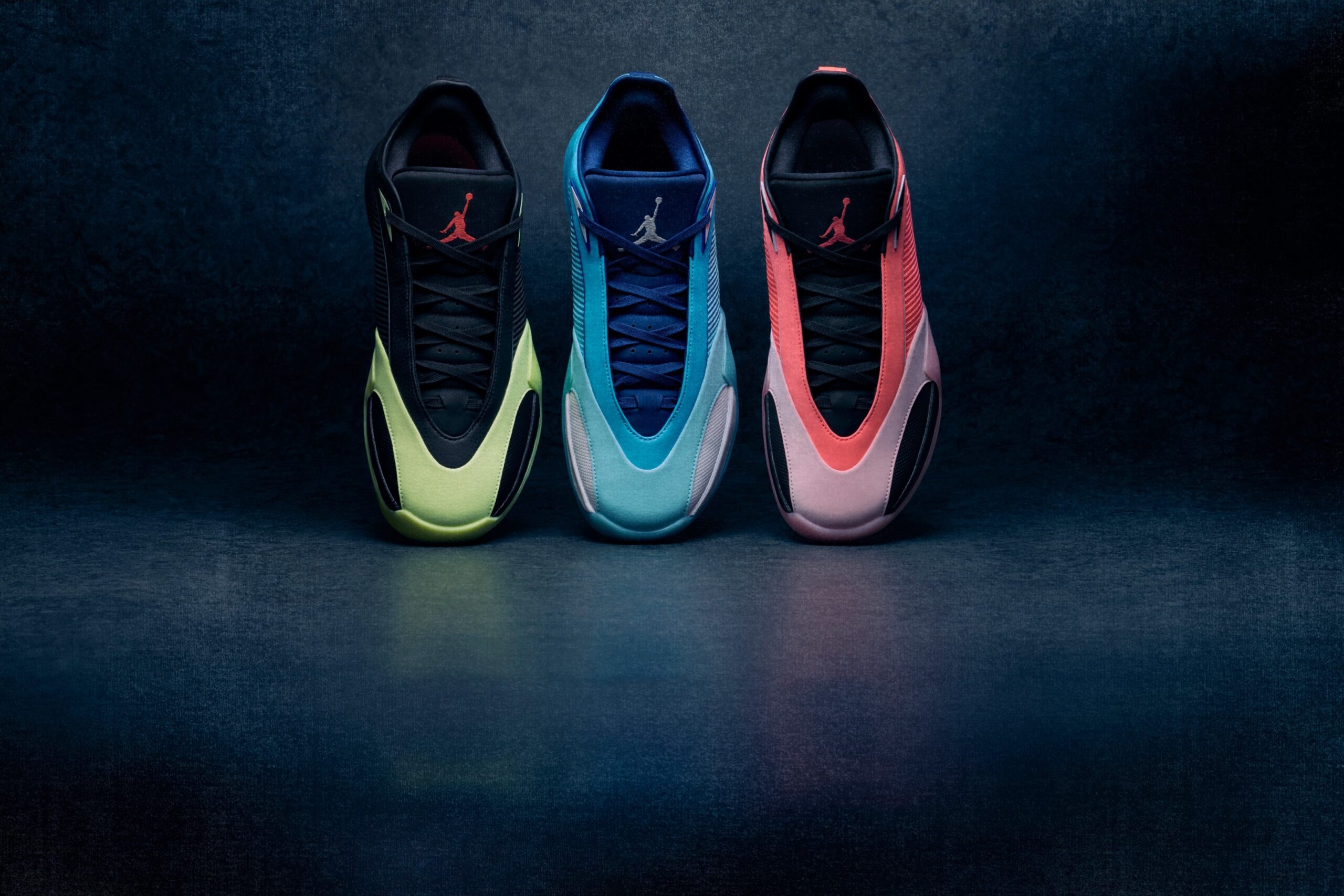
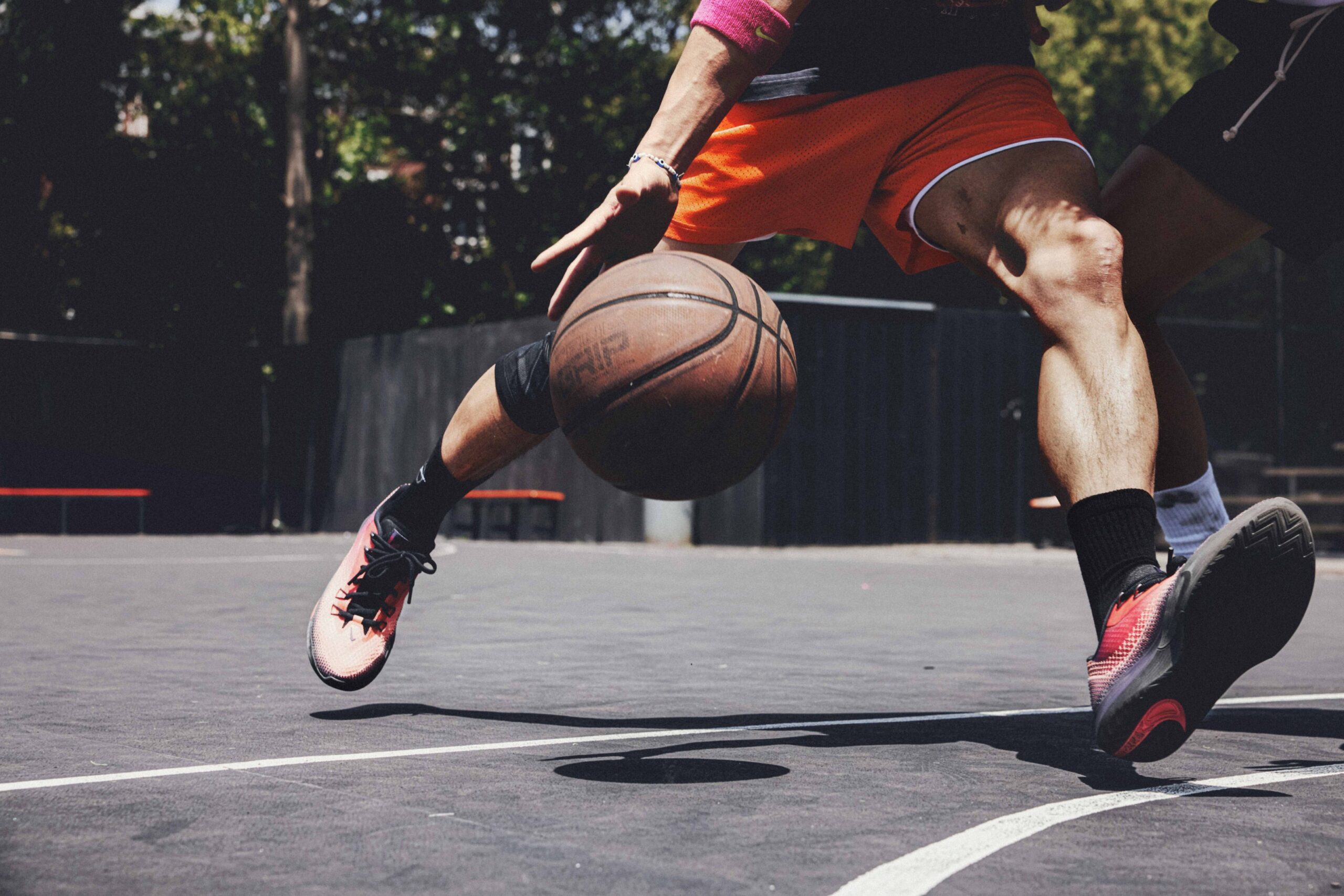
In brand storytelling, the global finals of Jordan Brand’s The One tournament for emerging one-on-one basketball players were held in Shanghai for the first time. The ACG Chongli 168 Ultra-Trail, associated with Nike’s outdoor line, also continued to grow in influence, bringing professional competitions, athlete stories and local sporting culture into the consumer experience.
During the quarter, Nike continued to reshape its marketplace in China. Alongside optimising its digital channels, Nike worked with partners to advance its next-generation retail upgrade programme. With five stores in Shanghai serving as pilots, Nike used ongoing consumer insights and store research to rapidly refine key areas including product displays, merchandise assortment, customer flow and service experiences.
— By region:
- North America: Revenue rose 2% year-on-year to $5.127 billion; earnings before interest and taxes rose 3% to $1.17 billion;
- Europe, the Middle East and Africa (EMEA): Revenue fell 5% year-on-year to $3.176 billion; earnings before interest and taxes fell 1% to $728 million;
- Greater China: Revenue fell 22% year-on-year to $1.18 billion; earnings before interest and taxes fell 34% to $248 million;
- Asia Pacific and Latin America: Revenue fell 2% year-on-year to $1.463 billion; earnings before interest and taxes fell 7% to $324 million.
— By brand:
- Nike: Revenue was $10.952 billion, down 4% year-on-year on both a reported and currency-neutral basis. The decline was primarily driven by lower revenue in Greater China and EMEA, partly offset by growth in North America;
- Converse: Revenue was $263 million, down 28% year-on-year on both a reported and currency-neutral basis, with declines across all geographic markets.
— By business:
- Wholesale: Revenue was $6.804 billion, down 1% year-on-year on both a reported and currency-neutral basis. Lower revenue in Greater China was the main driver, partly offset by growth in North America;
- NIKE Direct: Revenue was $4.142 billion, down 8% year-on-year on a reported basis and 9% on a currency-neutral basis. Within this business, Nike Brand Digital revenue fell 13% year-on-year, while revenue from Nike-owned stores declined 5%.
Nike Executive Vice President and Chief Financial Officer Dave Denton said, “As we move forward, we remain focused on strengthening the health of our product portfolio, improving productivity across the enterprise and allocating resources with discipline to support long-term shareholder value.”
| Sources: Official financial results, official press releases
| Image Credit: Nike’s official website
| Editor: Luxeplace