After the market close in Paris on 22 October, French luxury giant Kering released its third-quarter results for the period ended 30 September 2026. Total revenue was €3.345 billion, flat year on year on a reported basis and down 1% on a comparable basis, beating analysts’ expectations of a 1.3% organic decline. (Currency movements had a positive impact of 1 percentage point on reported revenue.)
However, revenue in Asia Pacific excluding Japan, led by the Chinese Mainland, fell 8% year on year, making it the weakest-performing major market.
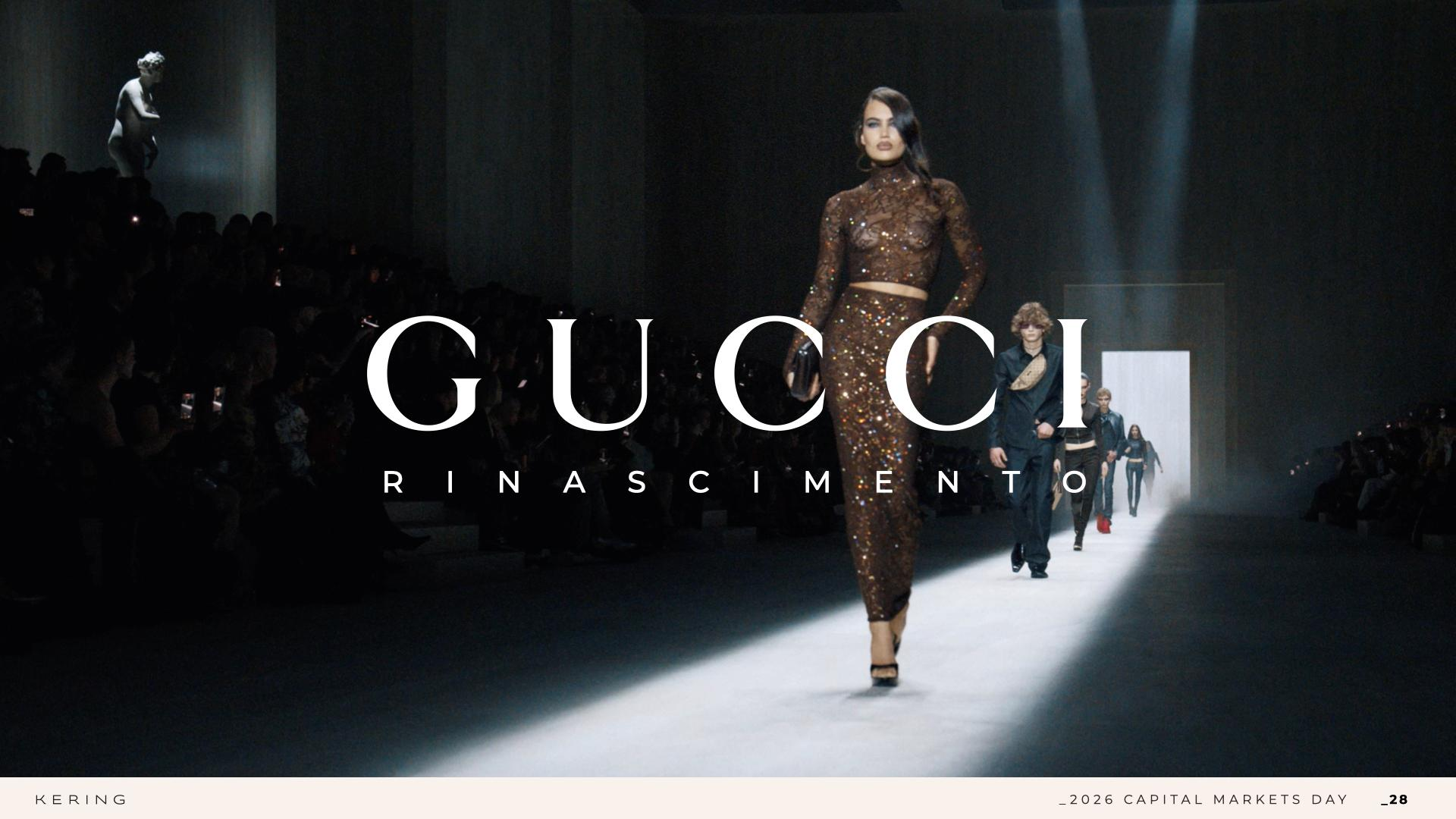
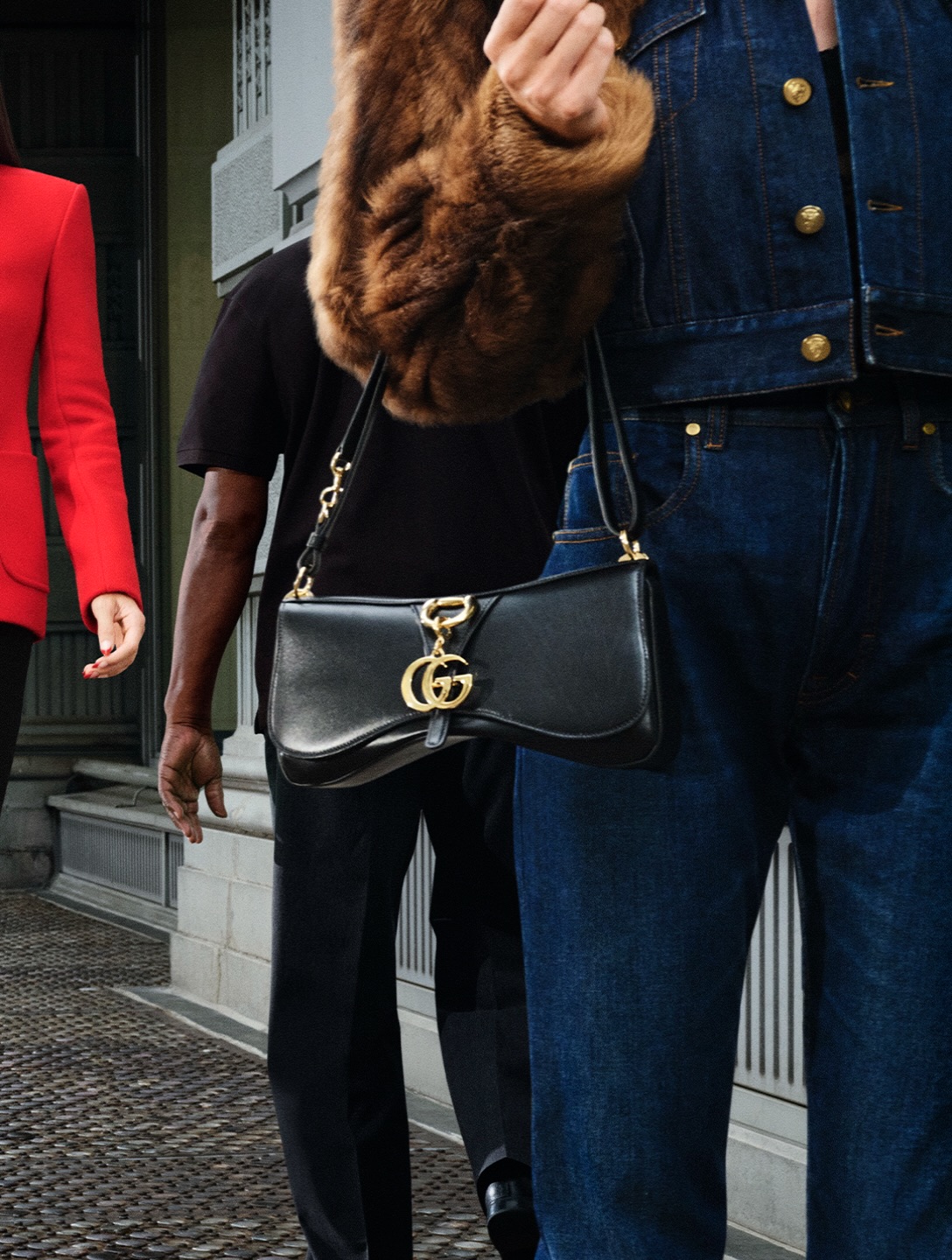
The group’s flagship brand, Gucci, reported third-quarter revenue of €1.291 billion, down 4% year on year on a reported basis and 6% on a comparable basis, a steeper decline than the 5.4% analysts had expected.
The report said third-quarter revenue reflected the timing effects the group had anticipated for the second half, compounded by a higher comparison base and a softer macroeconomic environment. Store traffic remained the main constraint, but stronger products and improved client engagement meant that conversion rates, average selling prices and average transaction values continued to provide positive support across the vast majority of its brands.
On 23 October, following the results announcement, Kering’s shares fell 11.74% to €188.44 after the Paris market opened, bringing their decline over the past year to around 40%. The group’s latest market capitalisation stood at approximately €23.1 billion.
During the earnings call, the group’s Chief Financial Officer Armelle Poulou said, “Overall, our geographical revenue mix remained balanced. The main change was a decline in Asia Pacific’s contribution, with diverging trends across markets within the region. The Chinese Mainland was the main headwind, as local consumer confidence remained weak and shoppers became increasingly discerning.”
In China, “From what we have observed, the main headwind is store traffic.” However, she revealed that, whatever the reasons behind the weaker traffic, conversion rates, average transaction values and average selling prices per item in China continued to rise.
She said, “We know there is still a great deal of work to do in China. We need to start by rebuilding brand desirability, particularly Gucci’s desirability in the Chinese market. We are rethinking our approach to China.”
She also elaborated on Kering’s four strategic priorities for the Chinese market.
The first is organisational structure and the operating model. The group is adjusting its operating model by strengthening local teams while giving them greater authority to make faster decisions that reflect the realities of the Chinese market.
The second is products. The group must ensure that the product assortment in its Chinese stores meets local consumers’ needs. She acknowledged, “We may not have paid enough attention to this in the past. Going forward, product selection will be more client-centred and will fully incorporate feedback from frontline teams.”
The third is marketing and commercial strategy. She stressed that local relevance and alignment with local culture are paramount in China today. The group will launch a China-based “content factory” to ensure speed and flexibility in its content production, while keeping content relevant to the local context.
The fourth is the store network. Ensuring that consumers enjoy a flawless experience when visiting directly operated stores is equally crucial. The network will be further consolidated, alongside extensive renovation and premiumisation work. This is particularly necessary for brands such as Saint Laurent and Gucci, where many stores still retain outdated designs from earlier creative eras.

In the first nine months of 2026, the group generated revenue of €10.565 billion, down 2% year on year on a reported basis and flat on a comparable basis.
Meanwhile, the group continued to optimise its store network. Following 75 net store closures in 2025, it recorded a further 105 net closures in the first nine months of this year, comprising 128 closures and 23 openings, meeting its full-year target of 100 net store closures ahead of schedule. The group now plans at least 125 net store closures for the full year of 2026.
Kering Chief Executive Officer Luca de Meo said in the results announcement, “Gucci’s recovery remains our foremost priority. We are steadily strengthening brand desirability and accelerating product development. Reflecting the complementary nature of our brand portfolio, Saint Laurent, Bottega Veneta and Brioni, as well as Kering Eyewear and Kering Jewelry, have maintained their strong momentum. We are also redoubling our efforts to revitalise Balenciaga and Alexander McQueen.
Unlocking the group’s full growth potential requires restoring momentum at Gucci, accelerating the development of exceptional products, delivering our action plan in China, realising the full value of the group’s platform and embedding a culture of execution throughout the organisation.
Kering’s transformation is a long-term undertaking spanning multiple quarters. However, the improvements emerging across the group’s businesses, particularly in brand desirability and key operating indicators, reinforce our confidence in our strategic direction and our teams’ determination to deliver it.”
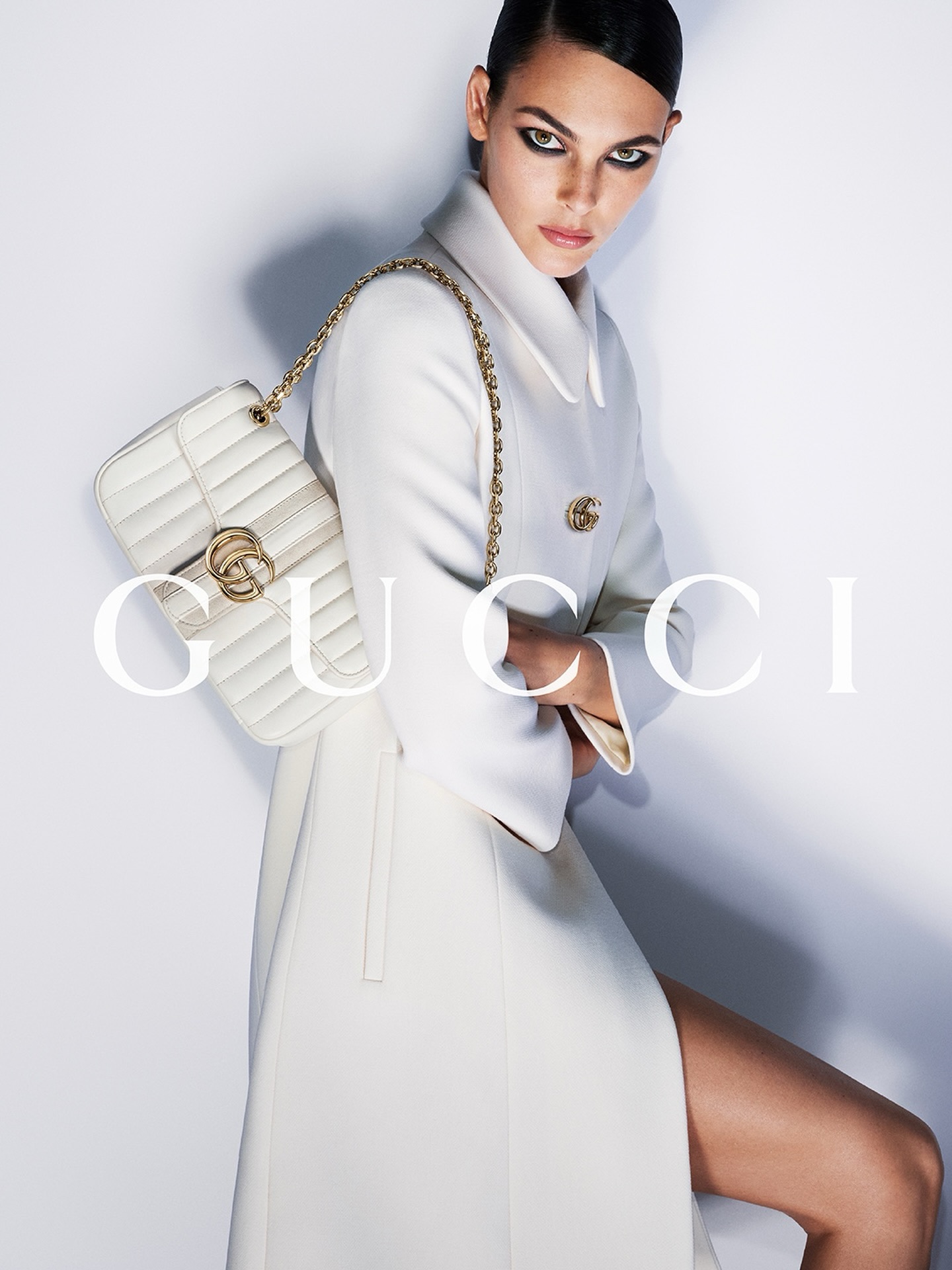
— By Division —
— Fashion & Leather Goods
In the third quarter, Fashion & Leather Goods revenue totalled €2.743 billion, down 1% year on year on a reported basis and 3% on a comparable basis.
Sales through the directly operated retail network fell 4% year on year on a comparable basis. Excluding Gucci, retail sales rose 2%, primarily driven by continued growth at Saint Laurent, Bottega Veneta and Brioni, demonstrating the resilience of the group’s increasingly diversified brand portfolio. Combined revenue from wholesale and other activities rose 4% year on year on a comparable basis.
Saint Laurent: Growth was primarily driven by strong momentum in North America and Western Europe, alongside high engagement among VICs and core clients;
Bottega Veneta: Once again outperformed the market across its major markets, supported by sustained brand desirability, strong momentum in leather goods and successful new products. The brand continued to advance its category diversification strategy, particularly in ready-to-wear, while also benefiting from strong VIC engagement.
Balenciaga: Leather goods remained resilient, but ready-to-wear and footwear continued to face challenges.
Alexander McQueen: Continued its brand repositioning, sharpening its British tailoring identity and refining its product assortment, while streamlining distribution as part of its turnaround plan.
Brioni: Maintained strong growth, supported by highly personalised client relationships and a strong performance in bespoke tailoring.
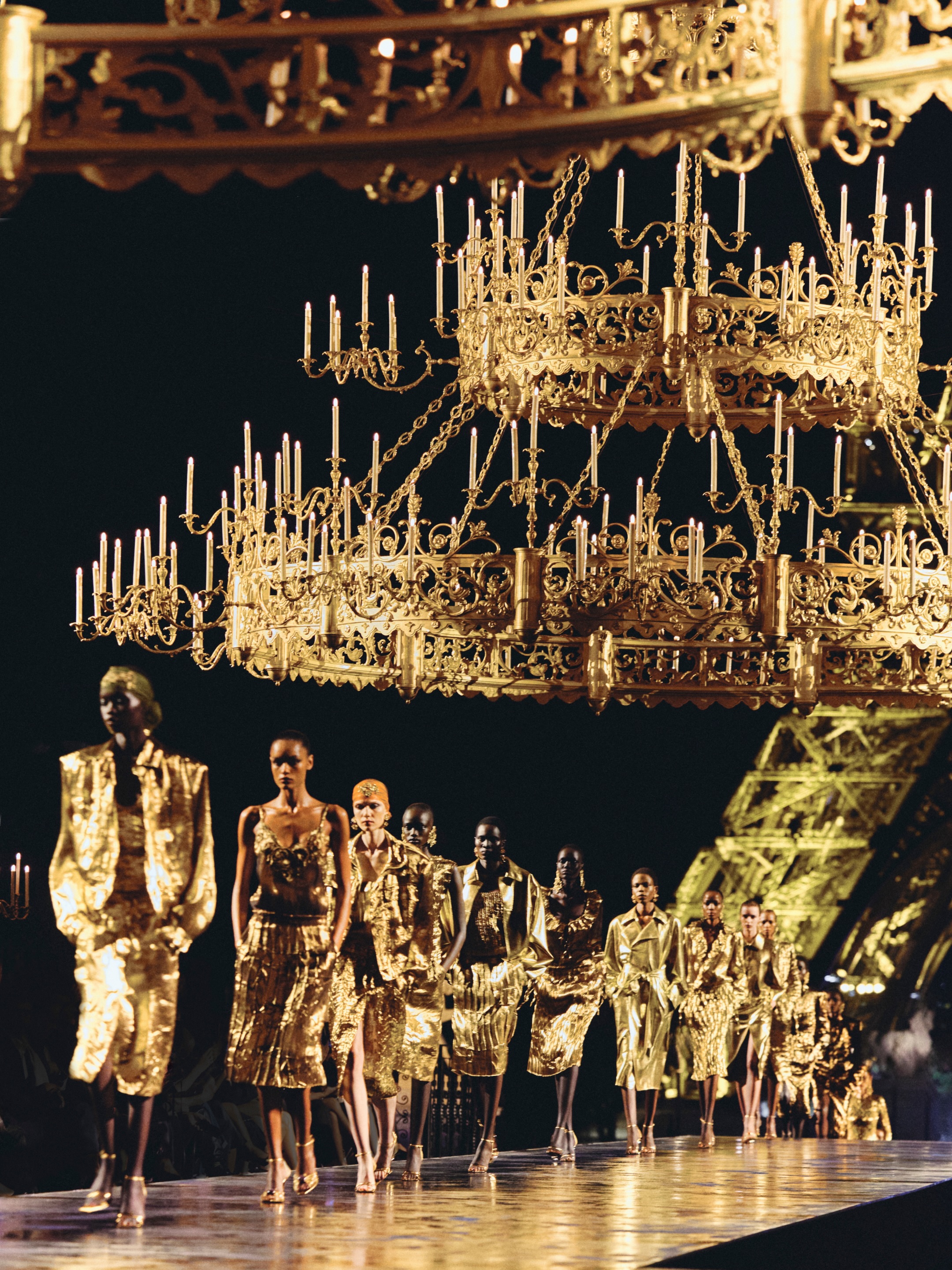
— Of Which: Gucci
Third-quarter revenue was €1.291 billion, down 4% year on year on a reported basis and 6% on a comparable basis.
Performance was affected by a higher comparison base, while new products provided less of a boost than in the second quarter. Store traffic remained the main constraint, but the gradual rollout of new collections supported further improvements in conversion rates, average selling prices and average transaction values.
The brand continued its product transformation, further refining its product and pricing architecture, improving product quality and shortening time to market. Handbags were the focus of these efforts, with a broader offering, while ready-to-wear and footwear also remained key priorities.
Sales through the directly operated retail network fell 9% year on year on a comparable basis. Against a higher comparison base, North America remained the brand’s most resilient market, while declining store traffic weighed on performance in Asia Pacific, particularly the Chinese Mainland, and Japan.
Third-quarter revenue from wholesale and other activities rose 35% year on year on a comparable basis. Wholesale revenue totalled €120 million, up 45% on a comparable basis and accounting for 9% of quarterly sales, reflecting a low comparison base and orders generated by the launch of new collections.
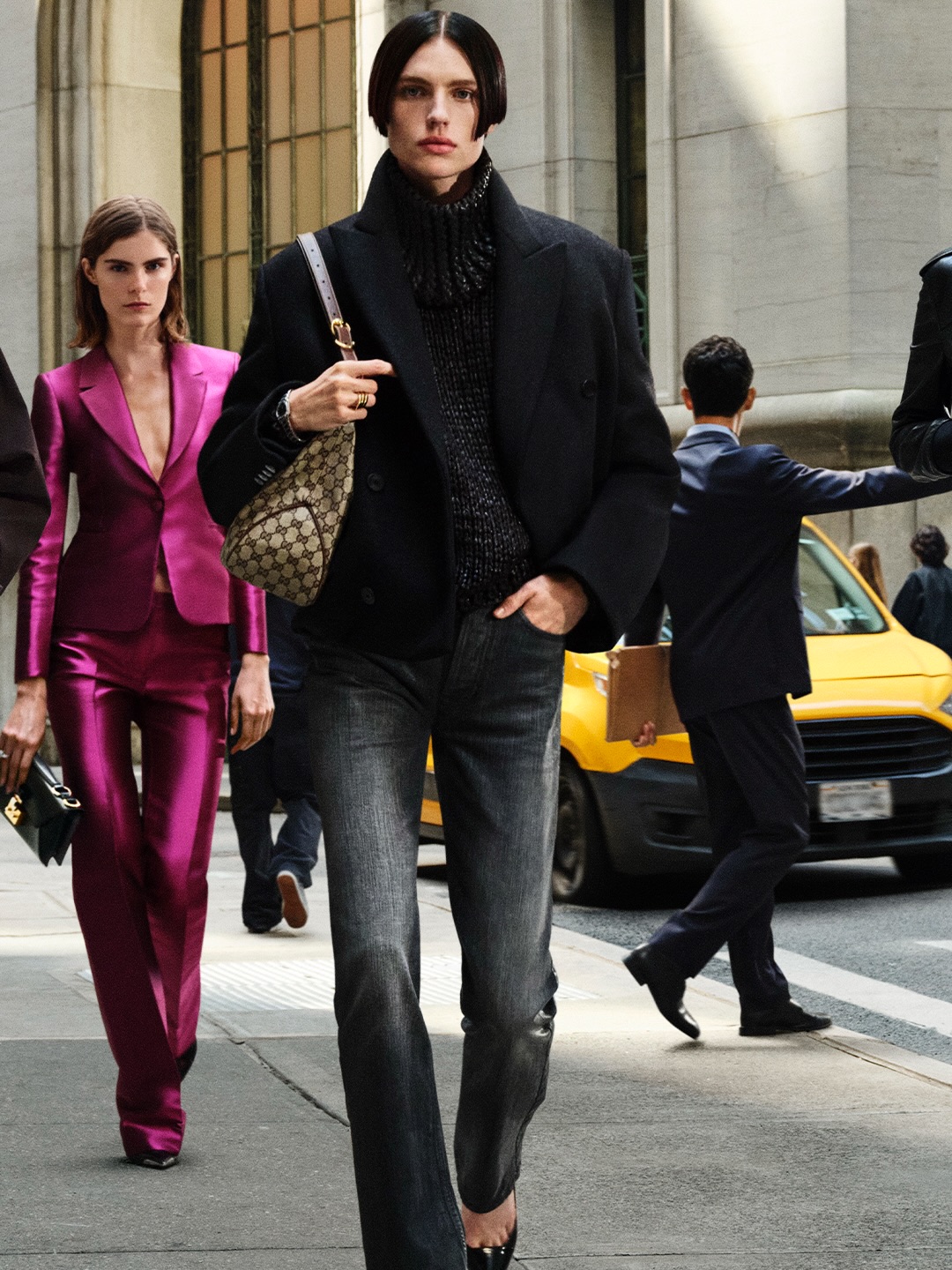
— Kering Jewelry
Despite a higher comparison base, Kering Jewelry delivered another strong third-quarter performance, with revenue of €239 million, up 12% year on year on a reported basis and 11% on a comparable basis, supported by the complementary strengths of its brands. Sales through the directly operated retail network rose 18% year on year on both a reported and comparable basis, while revenue from wholesale and other activities declined 6%.
Boucheron: Maintained strong momentum, supported by the enduring appeal of its signature Quatre and Serpent Bohème collections and good performances in Japan and South Korea.
Pomellato: Continued to sustain growth momentum, particularly in Japan, primarily driven by demand for its Nudo, Iconica and Together collections.
DoDo and Qeelin: Delivered mixed performances, but both continued to advance product innovation, notably with Qeelin’s successful launch of the Wulu Purple Jade collection.
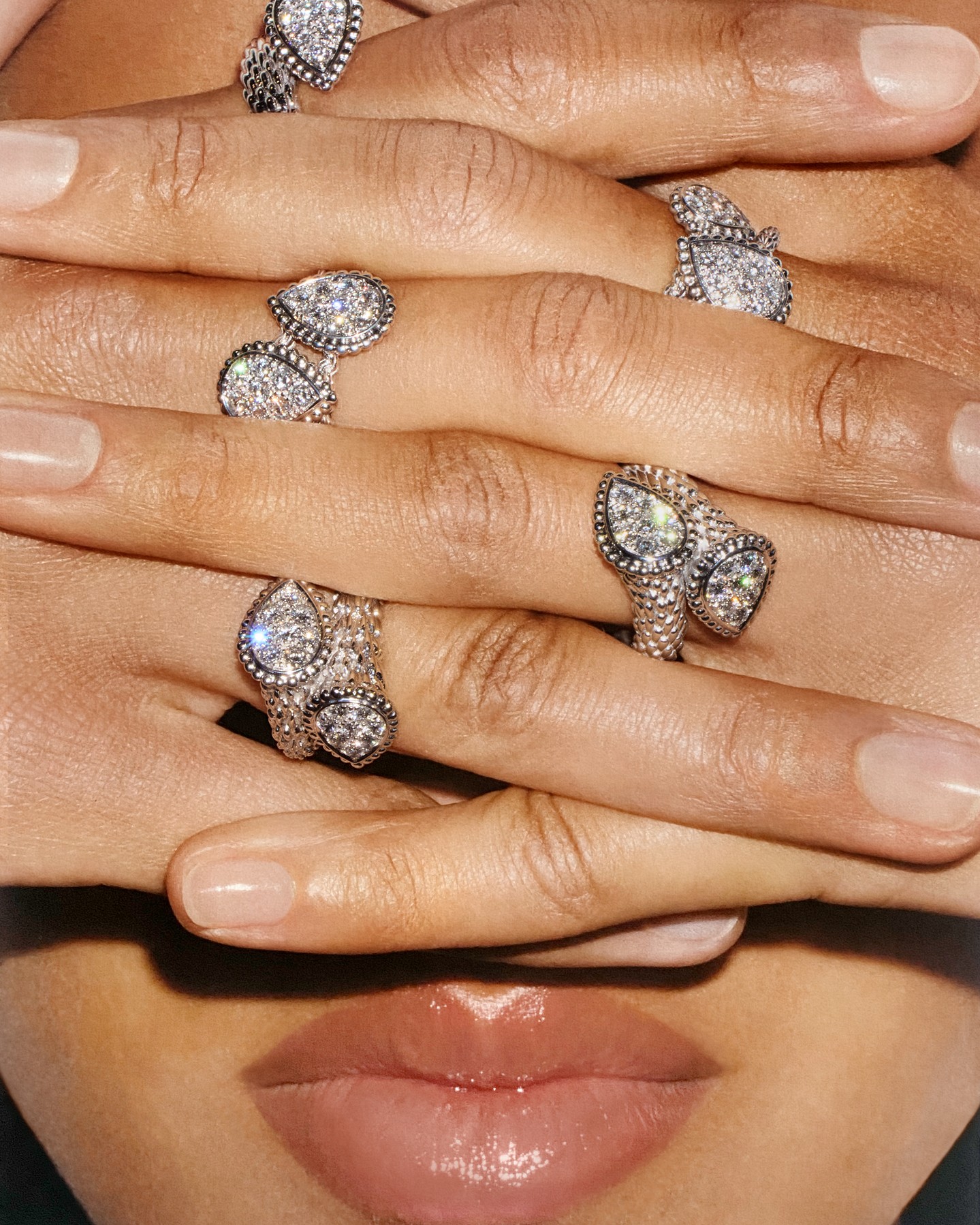
— Kering Eyewear
In the third quarter, Kering Eyewear generated revenue of €373 million, up 6% year on year on a reported basis and 4% on a comparable basis.
Despite shifts in the timing of sales between the third and fourth quarters, the business remained resilient overall. Growth was driven by product innovation and effective commercial execution across the brand portfolio, with all regions recording growth. Key initiatives during the quarter included the launch of Maui Jim’s Autumn/Winter 2026 collection, a series of activities celebrating Lindberg’s 40th anniversary, and marketing campaigns across key markets.

— Corporate & Other
Third-quarter revenue for the division totalled €27 million, down 5% on both a reported and comparable basis, primarily reflecting the end of rental income following real estate transactions.
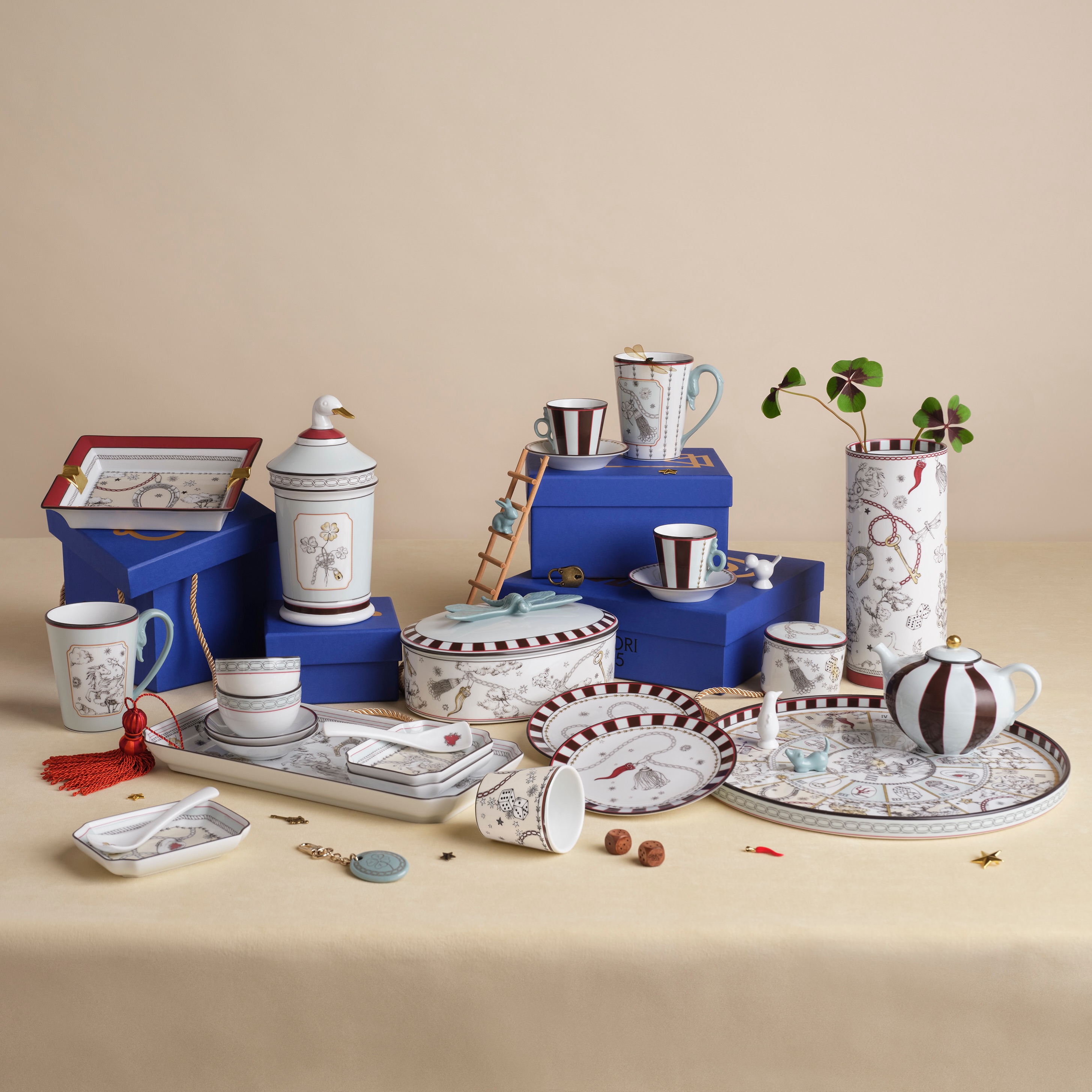
Italian porcelain brand Ginori 1735, which falls within this division, recorded strong double-digit revenue growth, with steady progress in brand development and desirability across its key markets.
— By Channel —
Third-quarter sales through the directly operated retail network, including e-commerce, fell 3% year on year on a comparable basis, with performance varying across regions and brands.
Revenue from wholesale and other activities rose 3% year on year on a comparable basis.
— By Region (Directly Operated Retail Only) —
The group’s directly operated retail revenue totalled €2.539 billion. Third-quarter year-on-year changes by region, on a comparable basis, were as follows:
North America (+1%): Growth slowed after several quarters of expansion; the vast majority of brands made positive contributions;
Western Europe (Flat): Recorded its third consecutive quarter of sequential improvement; both local and tourist spending improved compared with the previous quarter;
Asia Pacific Excluding Japan (-8%): The Chinese Mainland remained the main drag on the region’s performance, while South Korea maintained strong growth momentum;
Japan (+4%): Growth continued, although at a slower pace than in the second quarter. Tourist spending remained supportive, with a notable contribution from jewellery;
Rest of the World (-5%): The recovery in the Middle East gained further momentum compared with the previous quarter; demand remained under pressure amid geopolitical tensions;
Full-Year Outlook
Kering is fully focused on executing its strategic plan. The group continues to prioritise revenue quality and far-reaching transformation, with progress on both fronts. Several brands are showing strong growth momentum, while Gucci’s recovery is gradually taking shape.
Although short-term revenue trends are affected by a challenging macroeconomic environment, the group confirmed its target of improving its recurring operating margin in 2026, supported by ongoing efficiency measures, while continuing to invest in the desirability of its brands.
During the quarter, Kering completed several major transactions and made a number of leadership changes:
Gucci and L’Oréal Signed a 50-Year Exclusive Beauty Licensing Agreement One Year Ahead of Schedule: On 7 July 2026, Gucci and L’Oréal signed a 50-year exclusive beauty licensing agreement, expected to take effect in mid-2027, subject to customary regulatory approvals and the early termination of Gucci’s existing agreement with Coty. Combining Gucci’s global brand desirability and distinctive creative vision with L’Oréal’s beauty expertise, innovation capabilities and global distribution network, the partnership is expected to unlock significant long-term growth opportunities in fragrance and beauty.
Romain Spitzer Appointed Chief Executive Officer of Bottega Veneta: On 15 July 2026, Romain Spitzer was appointed Chief Executive Officer of Bottega Veneta, effective 1 September 2026. He reports to Luca de Meo and joins Kering’s Executive Committee. He brings more than 30 years of international experience in the luxury industry, with expertise in brand management, retail operations and client experience.
Kering Jewelry Leadership Appointments: On 1 September 2026, the group announced the appointments of Charlotte Fournet as Chief Executive Officer of Pomellato and Krizia Cucurachi as Chief Executive Officer of DoDo, both effective 15 September 2026. They report to Jean-Marc Duplaix, Group Chief Operating Officer and head of Kering Jewelry. The appointments aim to further unlock the growth potential of the group’s jewellery brands while reinforcing their distinctive identities.
Sabina Belli Appointed President of Kering Italia: On 1 September 2026, Sabina Belli was appointed President of Kering Italia, the group’s Italian subsidiary, effective 15 September 2026, reporting to Luca de Meo. She will represent Kering in its dealings with Italian public institutions, luxury industry associations and other key stakeholders, while continuing to oversee the Kering Accademia per le Eccellenze.
Sophie Maddaloni Appointed General Secretary of Kering: On 1 September 2026, Sophie Maddaloni was appointed General Secretary of Kering with immediate effect, joining the group’s Executive Committee and reporting to Group Chief Operating Officer Jean-Marc Duplaix. She is responsible for the group’s corporate governance, safeguarding its interests and upholding the highest compliance standards. She oversees the Legal, Internal Control, Internal Audit and Security departments, working closely with the group’s management and Board of Directors.
Saint Laurent Creative Director Anthony Vaccarello Departed: On 9 October 2026, Saint Laurent announced the departure of Creative Director Anthony Vaccarello. Over the past decade, Vaccarello made a significant contribution to Saint Laurent’s development, strengthening its positioning and influence in fashion and culture. The brand will announce its new creative leader in due course.
Alexander McQueen Creative Director Seán McGirr Departed: On 16 October 2026, Alexander McQueen announced the departure of Creative Director Seán McGirr. Since joining the brand in 2023, McGirr had opened a new creative chapter, bringing a distinctive design perspective while preserving the spirit of founder Lee Alexander McQueen. The brand will announce its new creative leader in due course.
| Source: Official financial report Kering
| Image Credit: Official financial report and the brands’ official Instagram accounts
| Editor: Luxeplace