Over the past year, 17 local herder rangers in Moqu Village, at the headwaters of the Yangtze River, have installed and maintained 30 infrared cameras. They recorded 41 species across more than 3,400 independent wildlife sightings, including 299 snow leopard sightings at 29 locations.
Behind these figures is a long-term conservation initiative undertaken by Canada Goose in partnership with Shan Shui Conservation Center, with support and guidance from the Sanjiangyuan National Park Administration: the Sanjiangyuan National Park Nature Experience and Community Engagement Project. Launched in 2023 and now in its fourth year, the project combines conservation and community development through infrared camera monitoring, genetic research, ungulate surveys, nature observation, community development, and efforts to address human-wildlife conflict.
Luxe.CO recently interviewed Carrie Baker, President, Brand & Commercial at Canada Goose (pictured below). She oversees the brand’s global commercial business as well as Corporate Citizenship.

Above: Carrie Baker, President, Brand & Commercial at Canada Goose
1. Local Herders Protect Sanjiangyuan’s Wildlife
Sanjiangyuan is the source of the Yellow, Yangtze and Lancang rivers. Known as “China’s Water Tower”, it provides essential ecosystem services to more than one billion people downstream and is an important habitat for snow leopards and other wildlife. For Carrie Baker, the region brings together two issues central to the brand’s commitments: “protecting nature and supporting communities closely connected to it.”
“Sanjiangyuan is one of the world’s most ecologically significant regions, and the health of its environment is closely intertwined with the lives of local people. Making a meaningful, long-term commitment here was therefore a natural choice for us.”
The Sanjiangyuan initiative is a flagship environmental and community engagement project for Canada Goose in China, and its first large-scale project of this kind outside Canada. Community participation has been central from the outset. As Carrie Baker emphasised, “The people most closely connected to a place are often its most important guardians.”

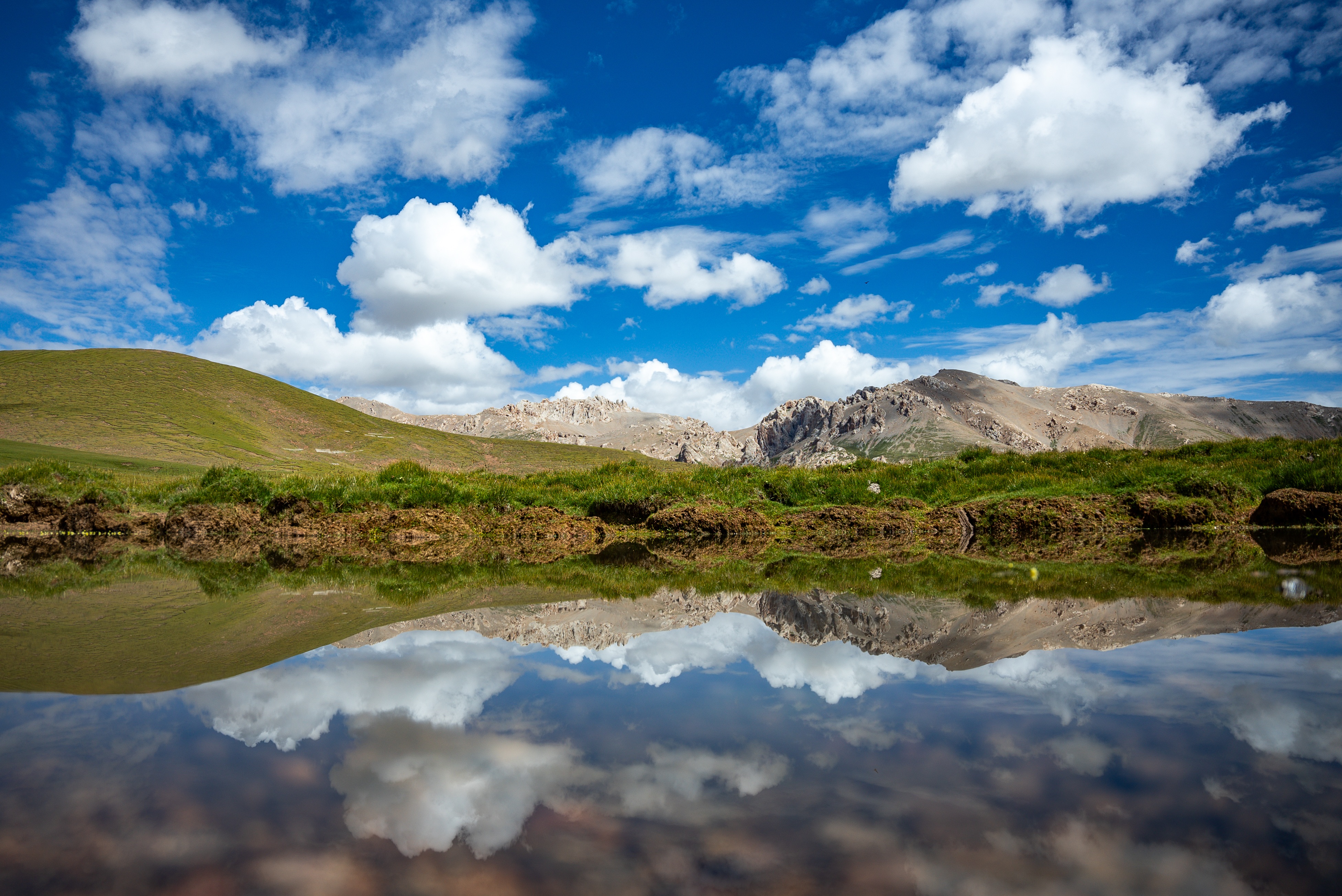
Known as “China’s Water Tower”, Sanjiangyuan holds significant ecological value.
Most of Moqu Village lies within the core zone of Sanjiangyuan National Park. During surveys in the village, Shan Shui Conservation Center found that herders generally had an instinctive desire to protect wildlife but few opportunities to get involved.
In September 2024, 16 herders formed Moqu Village’s infrared camera monitoring team. Today, 27 herder rangers have received training. The herders install and maintain the cameras supplied by the project. Data is collected regularly, and Shan Shui Conservation Center shares the findings with the national park’s Zhiduo Management Office. The two organisations are discussing how to incorporate this community monitoring data into the park’s routine monitoring and management system. For Carrie Baker, this is precisely where the project’s value lies: putting research findings into practice to protect biodiversity while benefiting local communities, equipping residents with the knowledge and skills needed for long-term conservation and creating lasting community wellbeing.
Alongside infrared camera monitoring of biodiversity, addressing human-wildlife conflict is another important part of the project.
Brown bears entering herders’ homes have been a problem in Moqu Village. The project has completed the installation of bear deterrents for 21 herder households, fitting reinforced sheet-metal doors and windows and solar-powered electric fences around their homes. Follow-up visits took place six months after the first installations. Residents have become noticeably more proactive about maintenance, with some households clearing vegetation, checking voltage, and reinforcing fences without prompting.
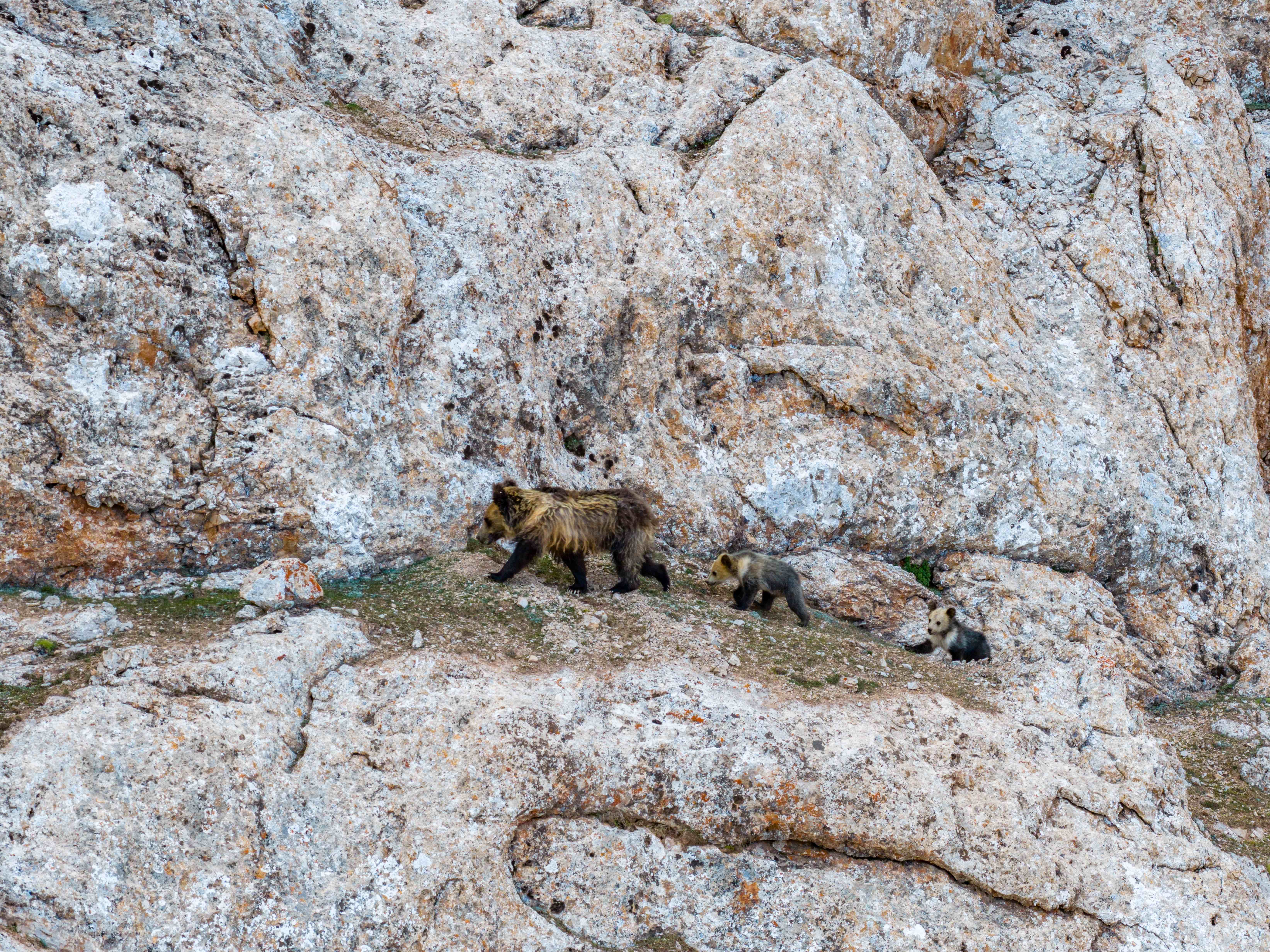
The project has deepened scientific understanding of the region’s ecological diversity and provided valuable evidence to inform species conservation.
2. Snow Leopard Patrol: A Documentary Capturing the People Behind Conservation
In Tibetan, “Saji” means “traces of the snow leopard”.
On November 2, Canada Goose released the conservation documentary Snow Leopard Patrol. It follows a patrol team of trained local herders into a rarely visited canyon at the headwaters of the Yangtze River. This is the brand’s third documentary about its Sanjiangyuan initiative.
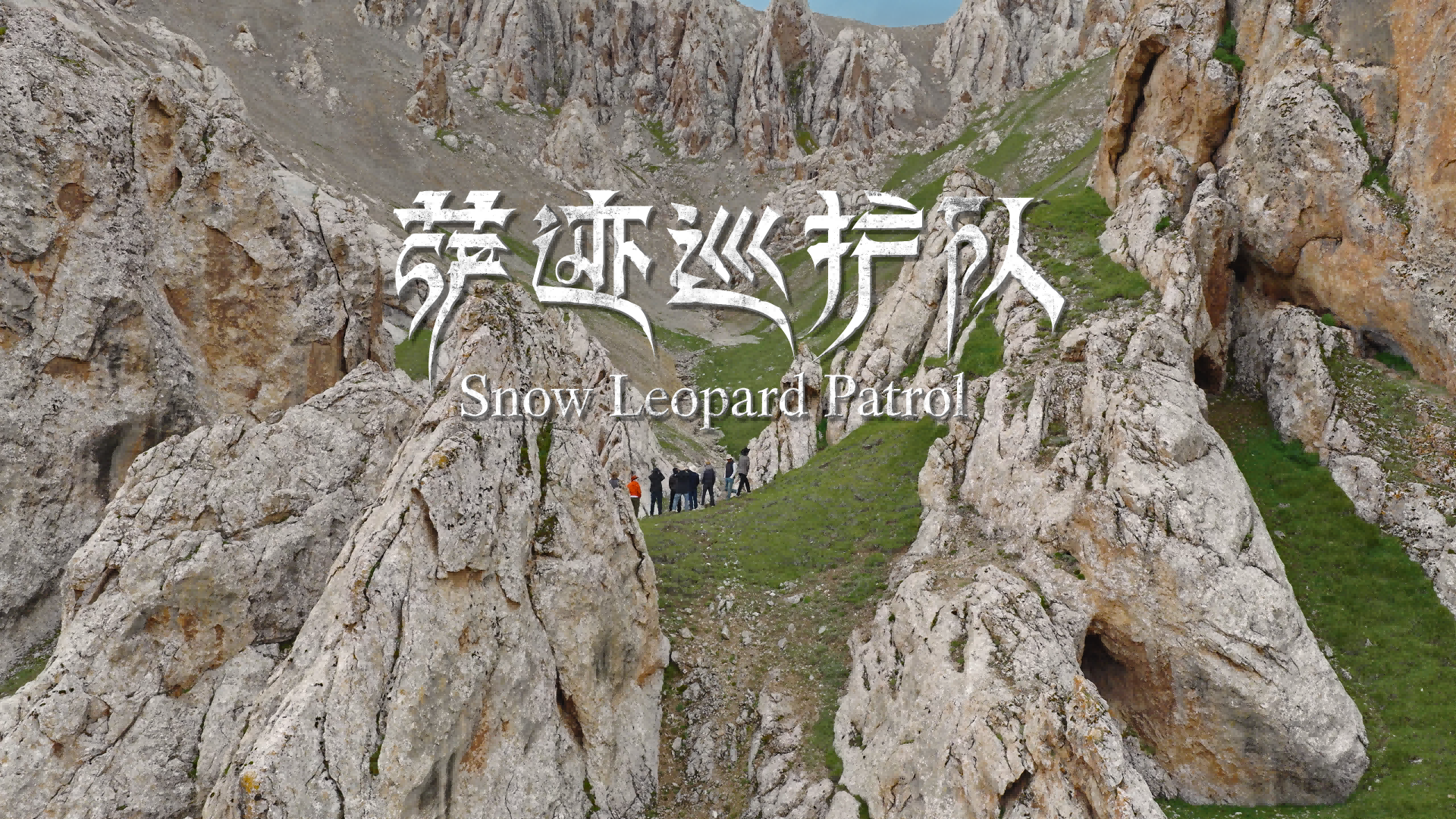
Last year’s documentary, The Source: Coexistence, followed events through the eyes of herder Bading Jiangcuo. This time, the camera focuses on a team of herder rangers. Each member has different circumstances: the team’s first female ranger, with her deep love for the land; a herding household with nearly a thousand yaks; and herders who actively participate in patrols despite financial hardship. As they carry out monitoring work, they also contend with the difficulties of everyday life. Even as they protect wildlife, their own livestock and homes face threats and damage from wild animals. Yet they see both animals and people as part of life in nature.
“We wanted to focus the camera on the people actually doing the conservation work,” Carrie Baker said. “The film needs to give audiences a real sense of what everyday conservation looks like: the natural environment here, the challenges, and the commitment and dedication this work requires.”
She singled out patrol team member Suonan Yongzhong. “She is both a herder and the team’s only female ranger, carrying out infrared camera monitoring and sample collection. What stands out most is her deep attachment and unwavering commitment to this place she calls home. She understands the land through lived experience, while continuing to learn new skills that allow her to contribute directly to its protection. To me, she embodies the distinctive value of community-led conservation: letting those who know the land best lead conservation efforts, while creating opportunities for the next generation to carry this work forward.”
In the past, commercial brands supporting charitable causes often focused solely on “results”. Yet the power to move people lies in the “process” and the “details”.
In Sanjiangyuan, Snow Leopard Patrol captures the reality of these conservation efforts as they unfold. It shows achievements in recording snow leopard activity and installing bear deterrents, while also acknowledging the very real problems of human-wildlife conflict and livestock losses.
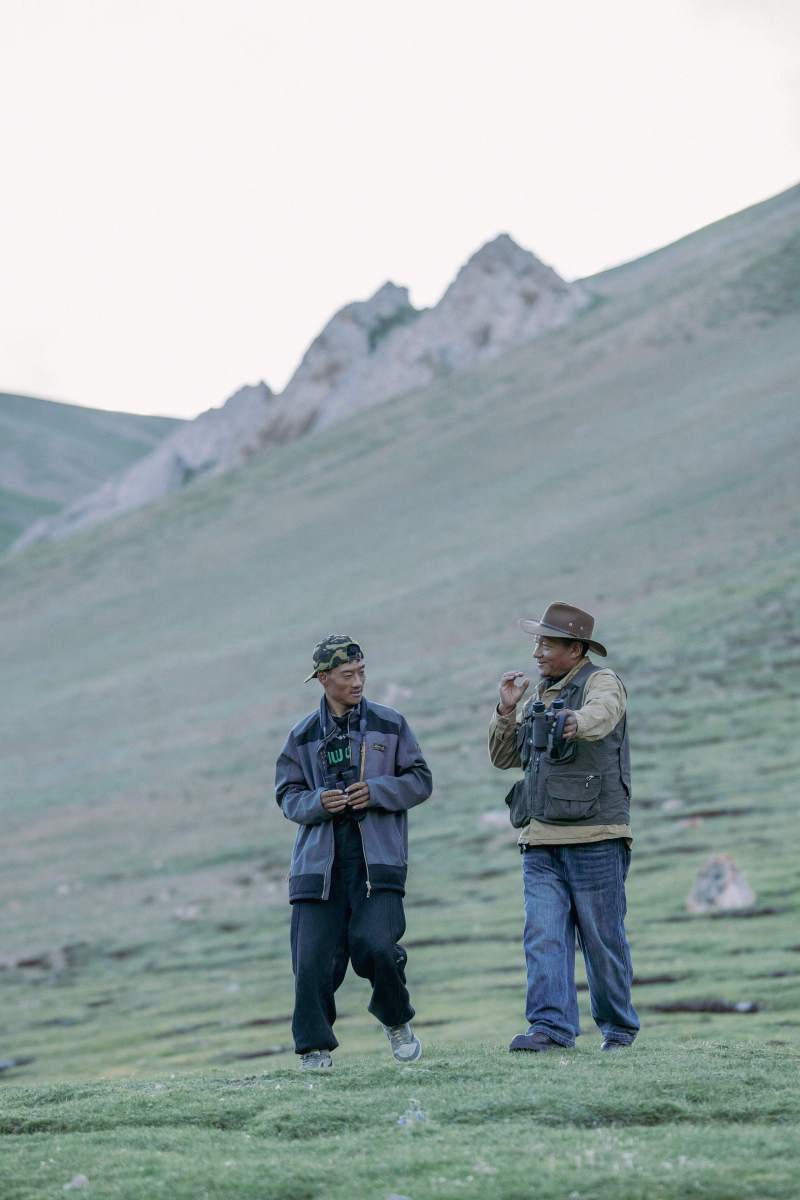
Snow Leopard Patrol documents the rangers’ work to protect the place they call home.
These processes and practical efforts take time to develop. As Carrie Baker made clear, “Truly lasting impact takes time. We focus more on the value a project can build and create over the long term.”
For Canada Goose, she said, this long-term approach is “nothing new”. The brand has partnered with Polar Bears International since 2007, contributing approximately CAD8 million to date, while its Resource Centre Program has supported communities in Canada’s North since 2009. These longstanding partnerships have deepened over time, continuing to create a more far-reaching impact.
The approach varies from market to market. In Carrie Baker’s words, “The core philosophy remains the same; what changes is how it is put into practice in each community**. In Sanjiangyuan, herder rangers are not simply beneficiaries of the project’s outcomes. They are also directly involved in the conservation work.”**
3. Greater China Revenue Rises 32.5% as New Categories for Year-Round Wear Find a Positive Reception in China
The Sanjiangyuan project is an important expression of Canada Goose’s local engagement in China. Alongside this, the brand’s business in Greater China has continued to grow steadily.
On November 5, Canada Goose announced its results for the second quarter of fiscal 2027, ended September 27, 2026. Total global revenue rose 5.9% year on year to CAD274 million. Greater China revenue grew 32.5% to CAD68.5 million, leading all regions. Its share of total revenue increased from 20.0% a year earlier to 25.0%.
Supported by Greater China’s strong performance, Asia Pacific revenue increased 23.1% year on year to CAD97.5 million during the quarter, with growth in both direct-to-consumer (DTC) and wholesale channels. Wholesale benefited from momentum in Hainan and South Korea. Brand awareness, desirability and purchase consideration in the Chinese Mainland also improved year on year.
On the November 5 earnings call, Carrie Baker described Asia Pacific as a highlight of the quarter, with revenue growth of around 20% and a double-digit improvement in store conversion rates. “Consumers are responding positively,” she said. “They like the new categories we are introducing, such as windwear and rain jackets, while continuing to embrace our core down products.” She also noted strong sales during this year’s National Day Golden Week holiday.
The response to these new categories reflects Canada Goose’s efforts to build year-round relevance. During the second quarter, apparel, windwear and rain jackets maintained their momentum, delivering double-digit year-on-year growth and accounting for a larger share of revenue. Chairman and Chief Executive Officer Dani Reiss said on the call that non-down, non-core categories were growing significantly faster than core categories, which were also growing steadily.
Carrie Baker shared a longer-term set of figures with Luxe.CO. “Five years ago, apparel, rainwear and windwear represented around 5% of our business. Last year, these categories accounted for 15% of annual revenue, and in the first quarter of this year, that figure was close to 40%.”
“Most importantly, we are making this transition while continuing to grow our core outerwear categories,” she said, describing the growth as incremental rather than a replacement for any existing category.
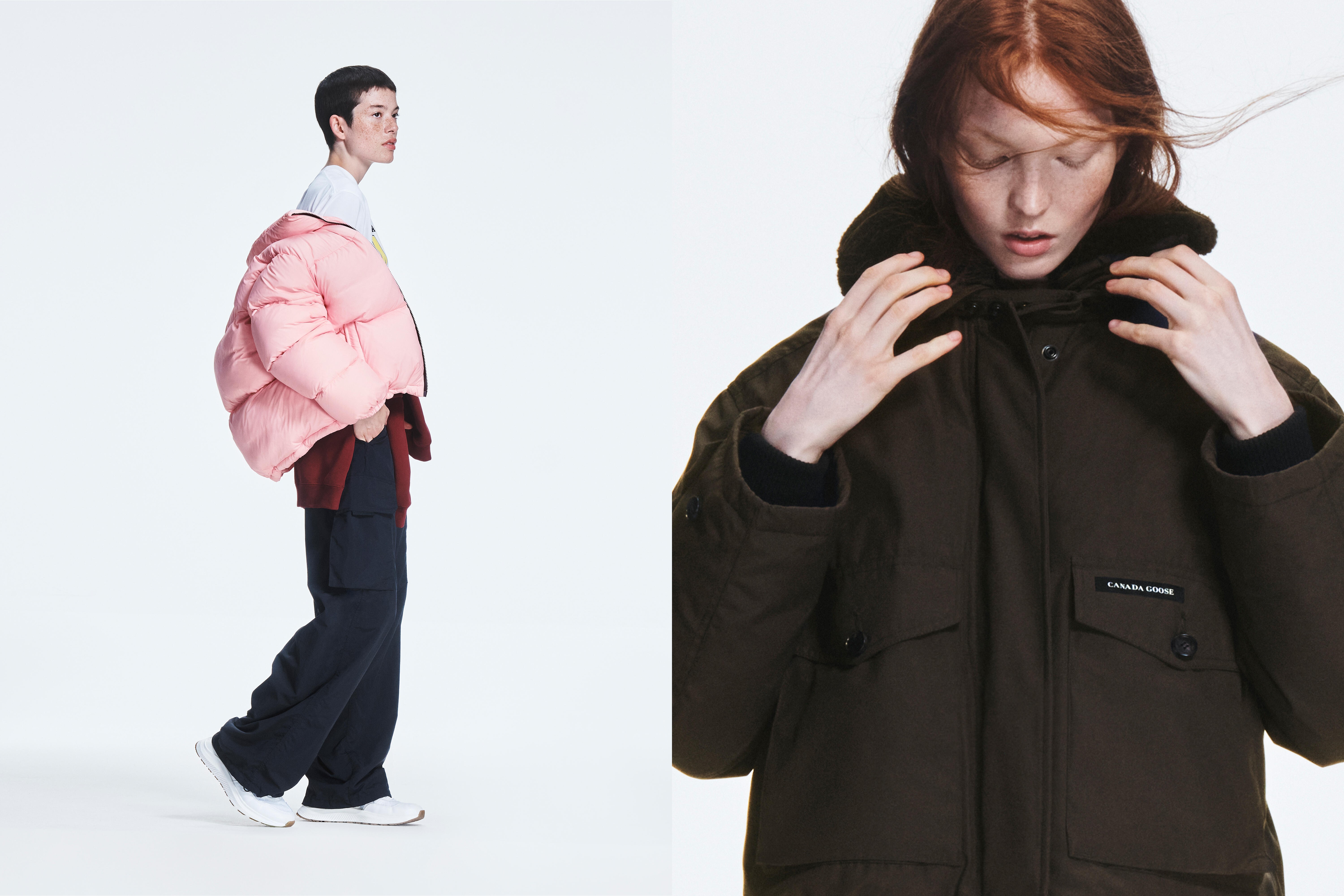
Canada Goose Fall/Winter 2026 Collection
Taking China as an example, she said, “We are seeing sustained consumer interest in the brand and a positive response to a broader product offering. When brand desirability, the product offering and execution come together, the market response is very strong.”
In brand building, Canada Goose introduced its new Natural Intelligence platform this fiscal year. It expresses the brand’s exceptional craftsmanship, focuses on functional performance and draws inspiration from its spirit of exploration, embracing unexpected inspiration with an open mind.
Luxe.CO observed that Natural Intelligence speaks to the brand’s connection with nature, while the Sanjiangyuan project gives that connection tangible form in a region of China, with local herders taking a leading role. Discussing the Chinese market, Carrie Baker said, “A brand needs to stay true to its positioning globally while developing a deep understanding of what matters to local consumers and recognising the special moments that resonate with them. That comes through in storytelling around traditional cultural occasions such as Chinese New Year, in products that meet local needs, and on the digital platforms consumers use every day.”
In distribution and operations, the company continues to improve channel productivity and capital allocation efficiency, supporting both business growth and profitability. At the end of the second quarter, Canada Goose had 94 dedicated stores worldwide, including more than 30 in Greater China. Looking ahead to the peak autumn and winter selling season, Dani Reiss said, “We are confident in the strength of our brand, our product offering and the opportunities ahead.”

Canada Goose Boutique at Deji Plaza, Nanjing
Conclusion
From supporting conservation work and training local communities to bringing the initiative to public attention through documentary filmmaking, Canada Goose has established a well-rounded approach to nature conservation in Sanjiangyuan.
Its financial performance also shows that, as consumer demand shifts across the luxury market, Chinese consumers have responded positively to a Canadian brand that brings a long-term commitment to its charitable initiatives and embeds “harmonious coexistence between people and nature” deep within its DNA.
| Image Credit: Provided by Canada Goose; official website
| Editor: Elisa