In June 2026, Japanese sportswear and footwear group ASICS announced that its brand Onitsuka Tiger would be spun off as an independent company in 2027, forming OT GROUP with full autonomy over decision-making in planning, distribution and marketing. This could mark the most significant shift in the brand’s identity since Onitsuka Tiger was founded in 1949.
As it prepares for independence, Onitsuka Tiger is in a period of exceptionally strong growth: sales rose by 43% year on year in FY2025 and by 35.9% in the first half of FY2026, while its category profit margin approached 40%.
For Onitsuka Tiger, the real question after independence is not simply how to sustain growth, but how to prove that it has evolved into a distinctive brand that transcends the traditional sportswear and footwear category.
“The biggest change, first and foremost, is the company name,” Ken Kanome, General Manager of Onitsuka Tiger Greater China, said in an exclusive interview with Luxe.CO. Following the spin-off, the brand will be able to communicate externally as an independent company under the Onitsuka Tiger name, meaning that “consumers will have a more direct understanding of the brand, making communication more effective”.
In his view, Onitsuka Tiger’s direction in the Chinese market is also very clear: “to further strengthen premiumisation, particularly the premiumisation of our fashion offering.” Accordingly, the brand will continue to expand into more premium commercial locations while stepping up the development of its fashion products.
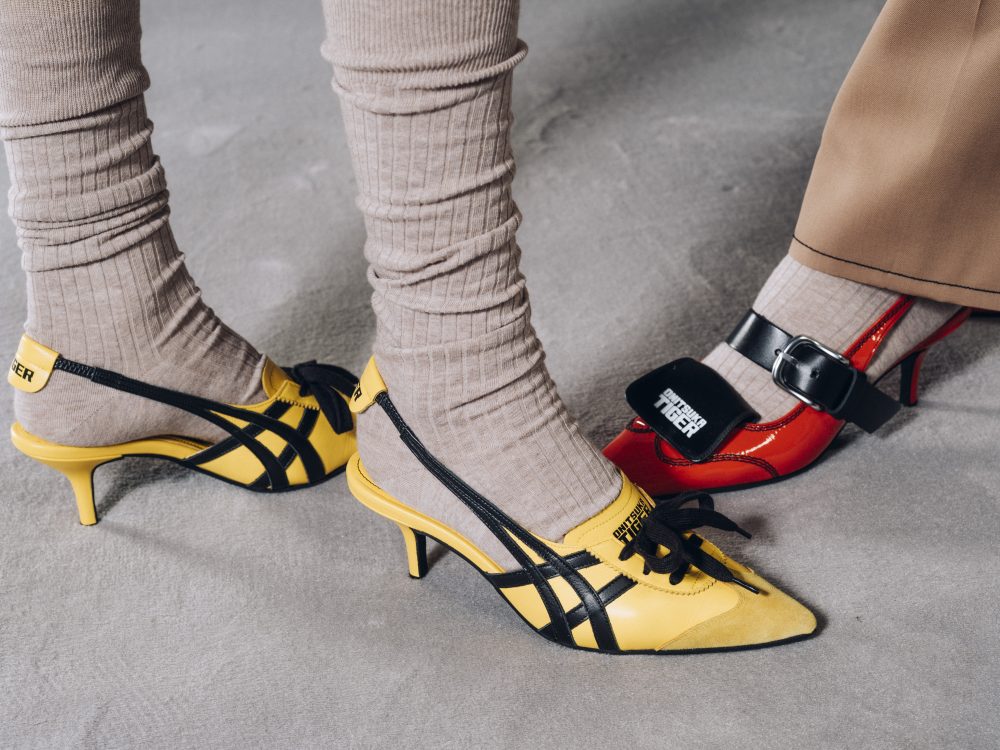
Playing Down Its Sports Identity, Onitsuka Tiger’s “Fashion” Ambitions Go Beyond “Retro”
In 1949, Kihachiro Onitsuka founded a footwear company in Kobe, naming the brand “Tiger”. In 1966, the legendary Onitsuka Tiger Stripes made their debut. In 1977, Onitsuka Tiger merged with other sporting goods companies to form ASICS, and subsequently operated for decades as a brand under the group. Over the years, Onitsuka Tiger gradually developed a brand identity distinct from that of ASICS: while ASICS focuses more on performance sports, Onitsuka Tiger, following its relaunch as a fashion brand in 2002, gradually expanded its focus beyond performance sports into fashion and lifestyle.
MEXICO 66 has been one of the most important product assets underpinning this transition. In 2002, Onitsuka Tiger launched the iconic MEXICO 66, a reinterpretation of a historic style from the brand’s archives that gradually gained recognition in the European fashion market. In 2003, the TAI-CHI shoes featured in the film Kill Bill further strengthened Onitsuka Tiger’s visibility in popular culture. In recent years, the resurgence of retro running shoes, coupled with consumers shifting away from chunky, highly cushioned footwear towards cleaner, low-profile silhouettes, has provided the brand with fresh momentum for growth.

Yet the brand clearly does not want consumers to see it simply as a “retro sports shoe” label.
Over the past few years, Onitsuka Tiger has continued to show at Milan Fashion Week, launched premium lines including NIPPON MADE and ITALIAN MADE, and collaborated with brands including Versace and Mikimoto, gradually extending its brand equity beyond sports footwear into fashion and lifestyle.
“Playing down our sports identity is ultimately something consumers will come to experience and perceive over time, rather than something we can simply declare ourselves,” Kanome said.
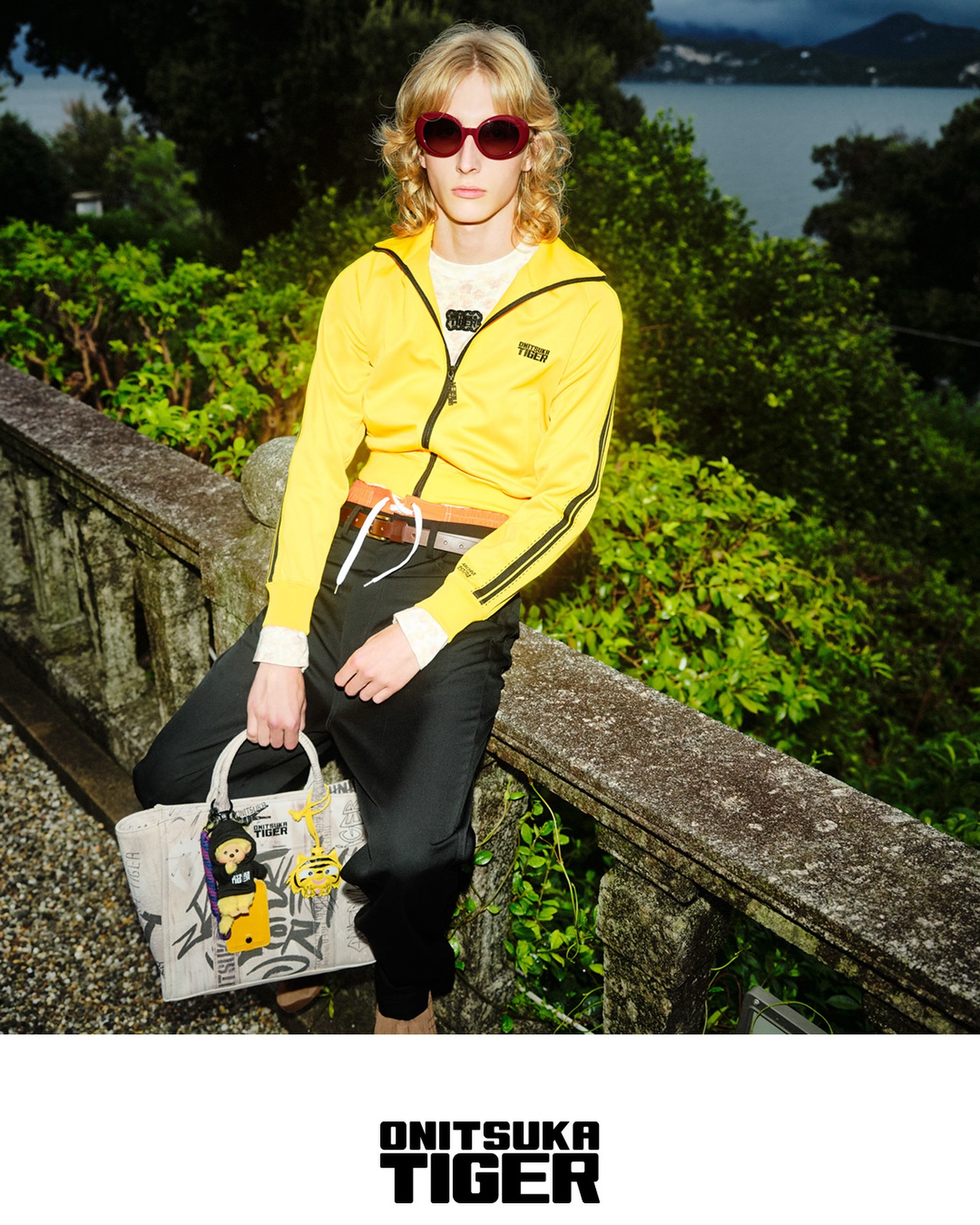
Onitsuka Tiger Spring/Summer 2026 runway collection
In his view, Onitsuka Tiger has not severed its ties with its sporting heritage. “We can still make use of ASICS Group’s resources.” For example, the group’s Institute of Sport Science (ISS) will continue to participate in the development and testing of certain Onitsuka Tiger footwear styles.
Onitsuka Tiger is therefore not choosing between “sport” and “fashion”, but rather seeking to make the two capabilities coexist: retaining the fundamental comfort and functionality of footwear while progressively strengthening its fashion credentials.
The talent structure is also changing as the brand moves towards independence. Kanome noted that when recruitment was previously conducted within ASICS Group, it was easier to attract candidates with sporting backgrounds, who “would then be assigned to Onitsuka Tiger according to business needs”. Once independent, the brand will be able to attract candidates with fashion backgrounds from the recruitment stage, as “they have stronger capabilities in planning and more extensive marketing experience”, which will become a new source of competitiveness for Onitsuka Tiger.
Focusing on the Chinese Market, What Is Driving Its Strong Growth?
As it prepares for independence, Onitsuka Tiger is on a remarkably strong growth trajectory. The brand’s global sales have grown by more than 40% for two consecutive years, while its profit margin leads ASICS Group and is the highest across all categories. Greater China accounts for a core share of the brand’s sales. According to data disclosed by Onitsuka Tiger to Luxe.CO, sales at directly operated stores have continued to rise, with footfall increasing by 50% and sales volume by 36%. As of 1 August, the brand had 65 directly operated stores, including outlets, across Greater China.
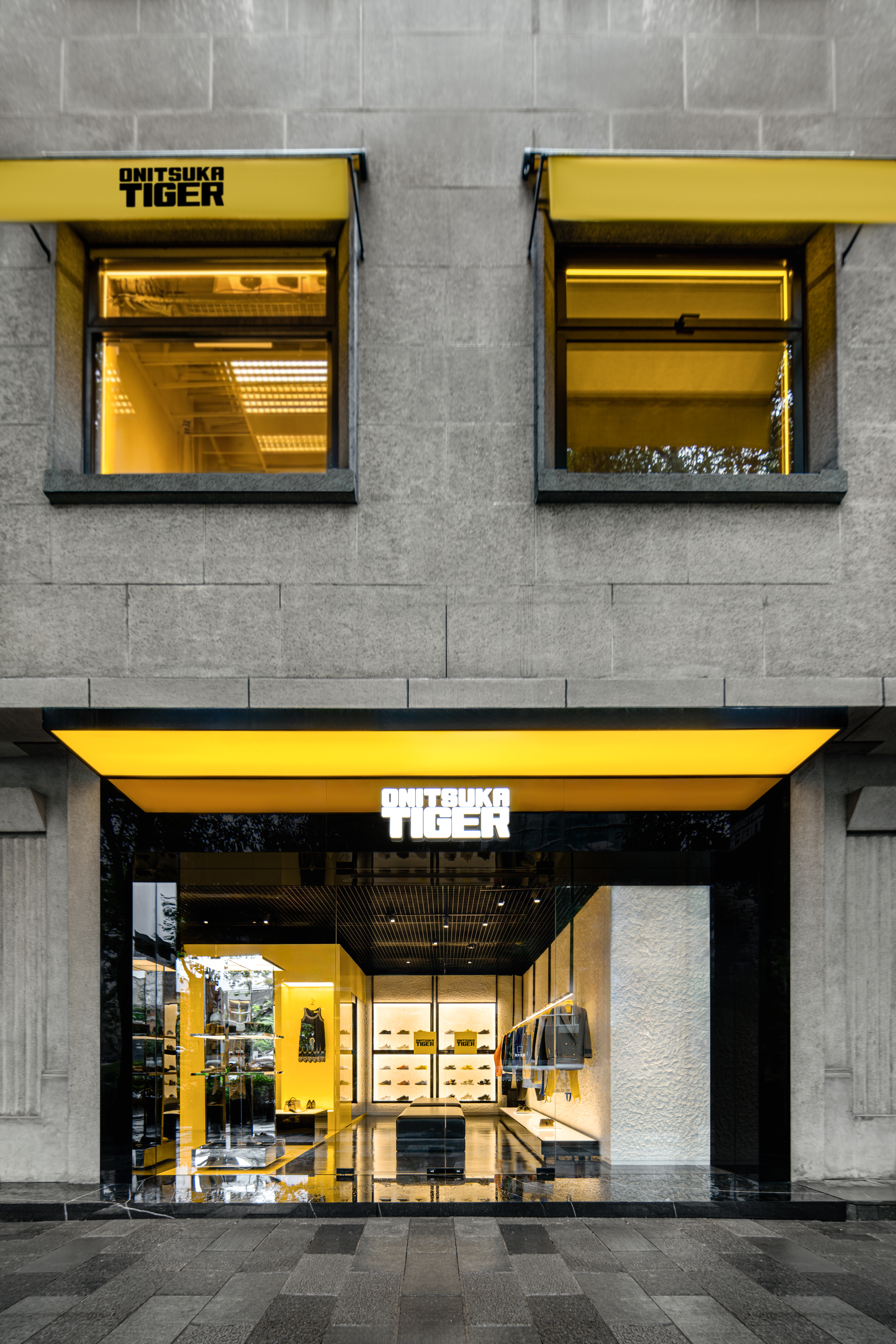
Onitsuka Tiger Shanghai Xintiandi flagship store
The underlying driver of growth in the Chinese market has first and foremost been the transformation of its distribution network.
In the past, Onitsuka Tiger was more commonly located in mass-market shopping centres and sportswear sections. Today, the brand is steadily migrating towards premium retail districts and accessible luxury zones. Shanghai’s iapm is a representative example – Onitsuka Tiger was initially located in the sportswear section on the fourth floor of the mall, before relocating to the first floor following three to four years of discussions and store operations. Its Beijing China World Mall store, meanwhile, moved from a sports-oriented area to an accessible luxury zone. These adjustments reflect more than changes in store location; they also demonstrate how shopping malls are reassessing the brand’s positioning.
The relationship between online and offline channels is also being reshaped. As the share of DTC grows, e-commerce is no longer simply a sales channel, but part of a broader consumer engagement ecosystem: online flagship stores support day-to-day sales and introduce consumers to new launches, while larger physical stores provide product experiences, brand showcases and consumer interaction. Together, they form a new distribution ecosystem.
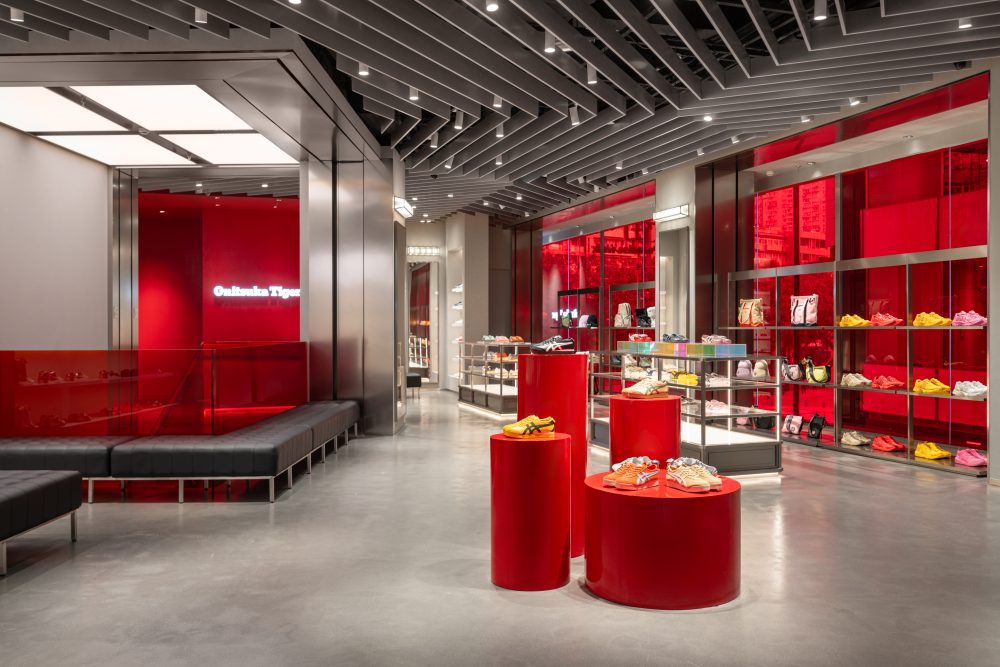
Onitsuka Tiger Chongqing Longfor Times Paradise Walk store
Alongside this transformation of its distribution network, the role of physical stores is also being redefined.
Onitsuka Tiger now has close to 200 stores worldwide. Following the opening of its largest global flagship store in Shinjuku, Tokyo, the brand plans to continue opening stores this year across markets including China, Italy and South Korea, and plans to return to the US market in February 2027 with a flagship store in Los Angeles. Within this global expansion, there remains considerable room for Onitsuka Tiger to expand and upgrade its store network in China.
“At present, we are only halfway there,” Kanome said. The store network in Shanghai is already relatively mature, while Beijing, Chengdu, Chongqing, Shenzhen, Guangzhou and other markets still have considerable untapped potential.
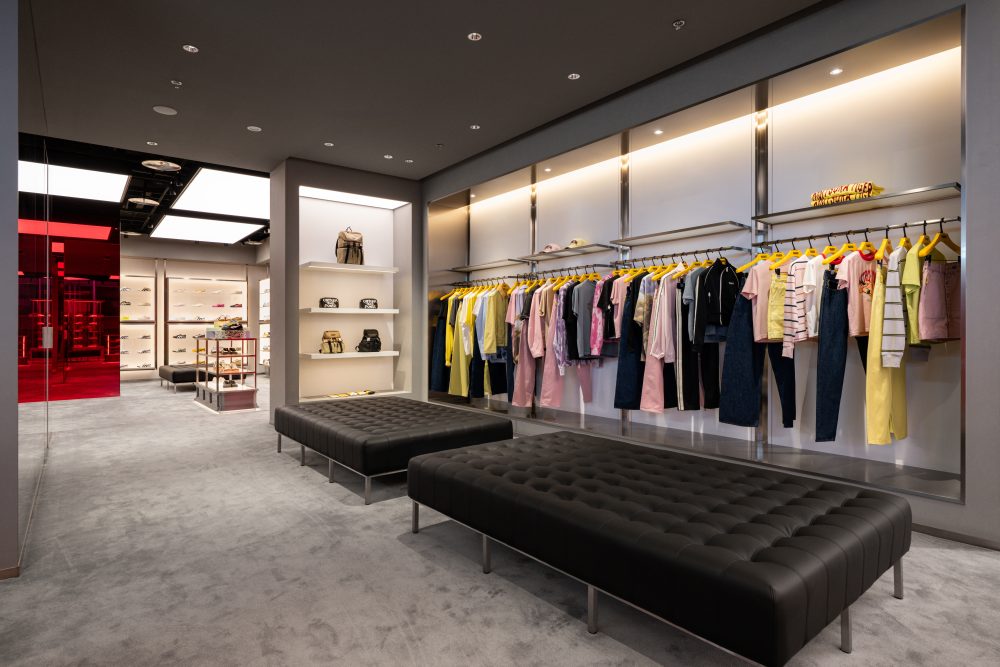
Onitsuka Tiger Beijing Zhongguancun ART PARK store
Looking ahead, Onitsuka Tiger hopes to establish flagship brand destinations in key cities, with large-scale flagship stores of more than 1,000 square metres, creating “an in-store experience that customers will remember long after their visit”.
Here, “experience” does not simply mean adding more display space. Rather, stores are evolving from “places of sale” into spaces closer to lifestyle showcases. Stores such as the Xintiandi flagship and Zhangyuan concept store are beginning to serve multiple functions, including new product launches, art installations, limited-edition showcases and consumer events.
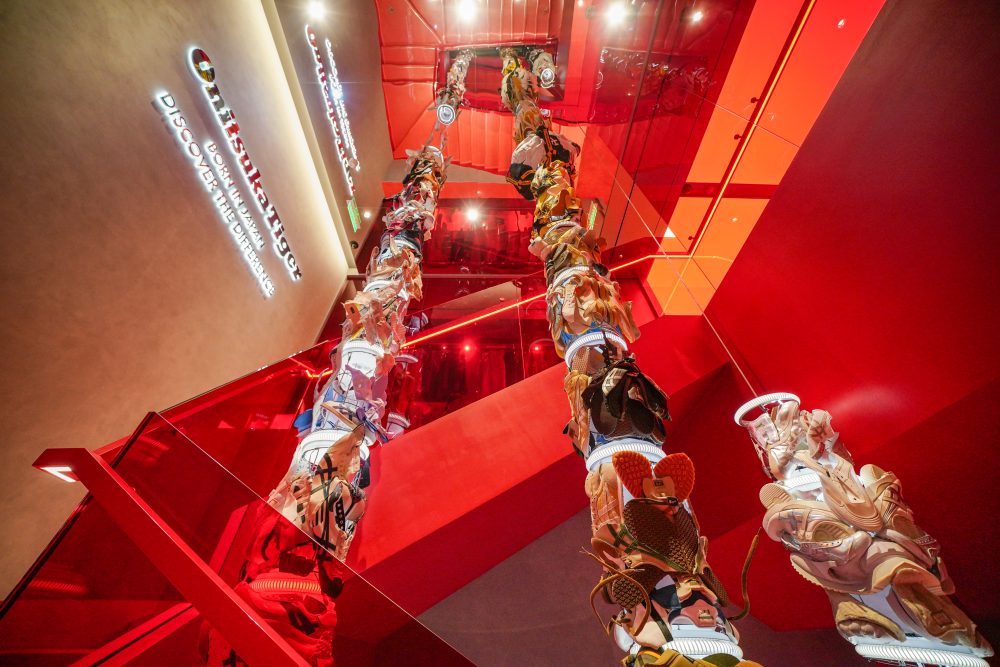
Art installation at Onitsuka Tiger Chengdu IFS concept store
“Whether a brand can successfully differentiate itself from others is key to its ability to survive in the market,” Kanome said. In his view, the value of physical retail has not diminished with the growth of e-commerce. “Online sales are substantial in China, but consumers still want to have the physical product in their hands, to see it and try it on. These are tangible experiences.”
Three Product Directions, a Two-Pronged Approach: Strengthening the Core While Gradually Raising the Overall Price Point
Onitsuka Tiger currently divides its overall product portfolio into three directions: Heritage, Contemporary and Formality.
Heritage carries forward the brand’s classic archives, with an average price of around RMB 1,000 (USD 140); shoes that emphasise provenance and craftsmanship, including those made in Japan and Italy, are priced at around RMB 2,000-2,500 (USD 280-350) for Japanese-made styles and RMB 3,000-3,300 (USD 420-460) for Italian-made styles. Contemporary comprises the fashion collections presented at Milan Fashion Week, with prices ranging from around RMB 1,450 to over RMB 8,000 (USD 200 to over USD 1,120); Formality, meanwhile, encompasses formal business footwear under THE ONITSUKA, priced at around RMB 3,000-4,000 (USD 420-560).
Ken Kanome describes this strategy as a “two-pronged approach“: on the one hand, strengthening the Heritage core; on the other, expanding the consumer base and sales contribution of Contemporary and Formality, “gradually raising the overall average selling price“.
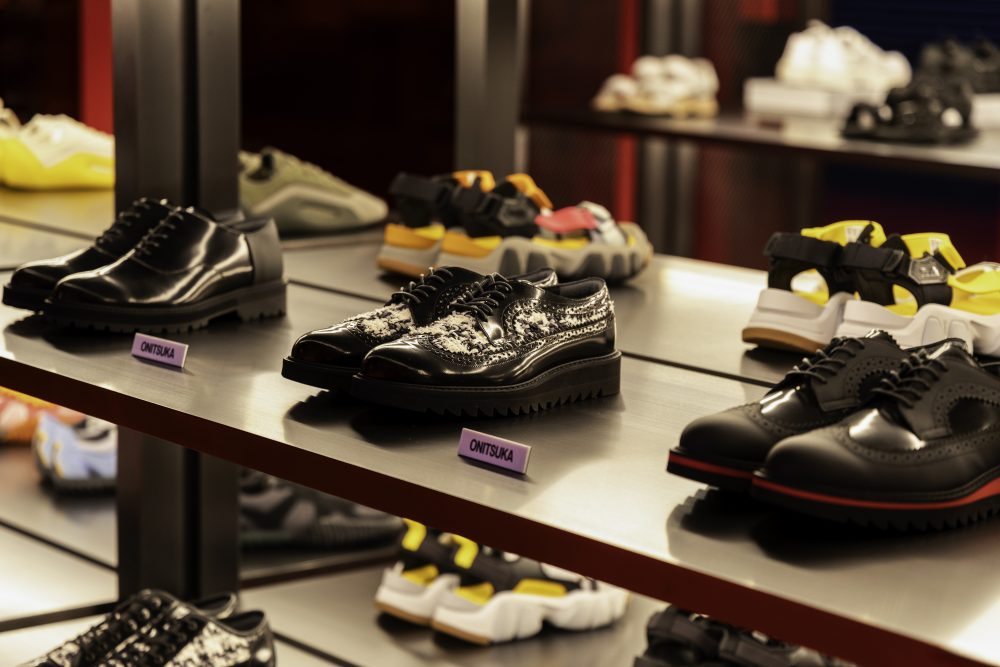
One important shift has been “de-logoing”.
Kanome noted that some employees and consumers prefer understated products and want a more restrained approach to styling. Contemporary was developed precisely to address this demand, reducing the prominence of visible logos and making the products more versatile for everyday styling.
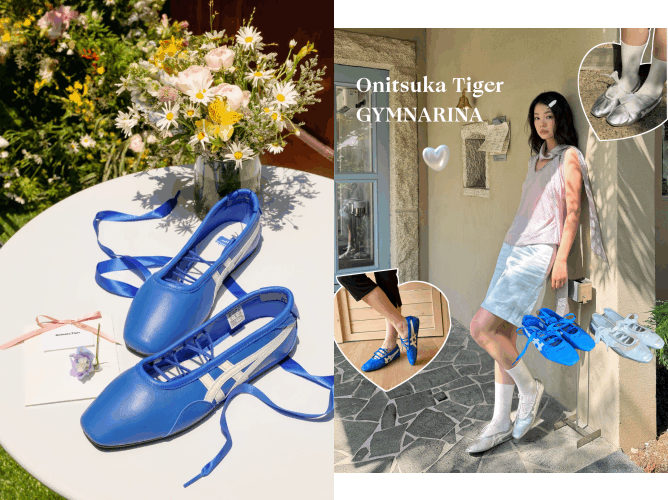
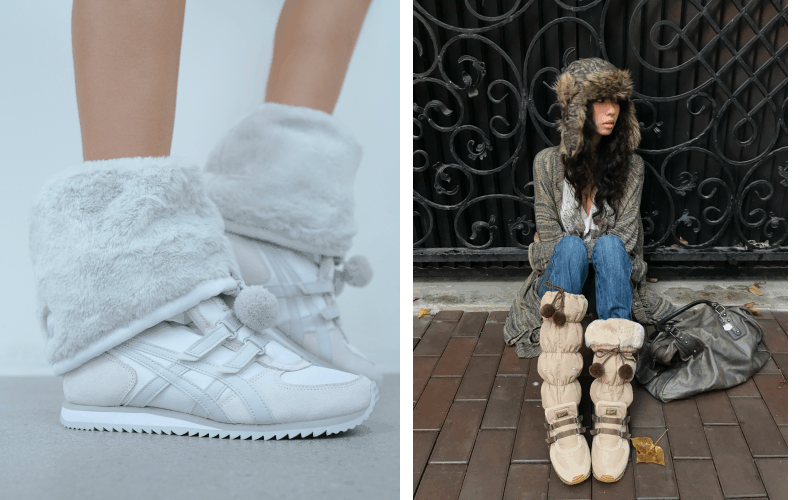
This also aligns with changing preferences among younger Chinese consumers. To meet increasingly diverse consumer needs, the brand launches more than 360 new footwear styles each year. Recent launches such as GYMNARINA and the MEXICO 66 TGRS ballet shoes respond to the Balletcore trend, while WINTER HEAVEN snow boots extend the brand into autumn and winter styling scenarios.
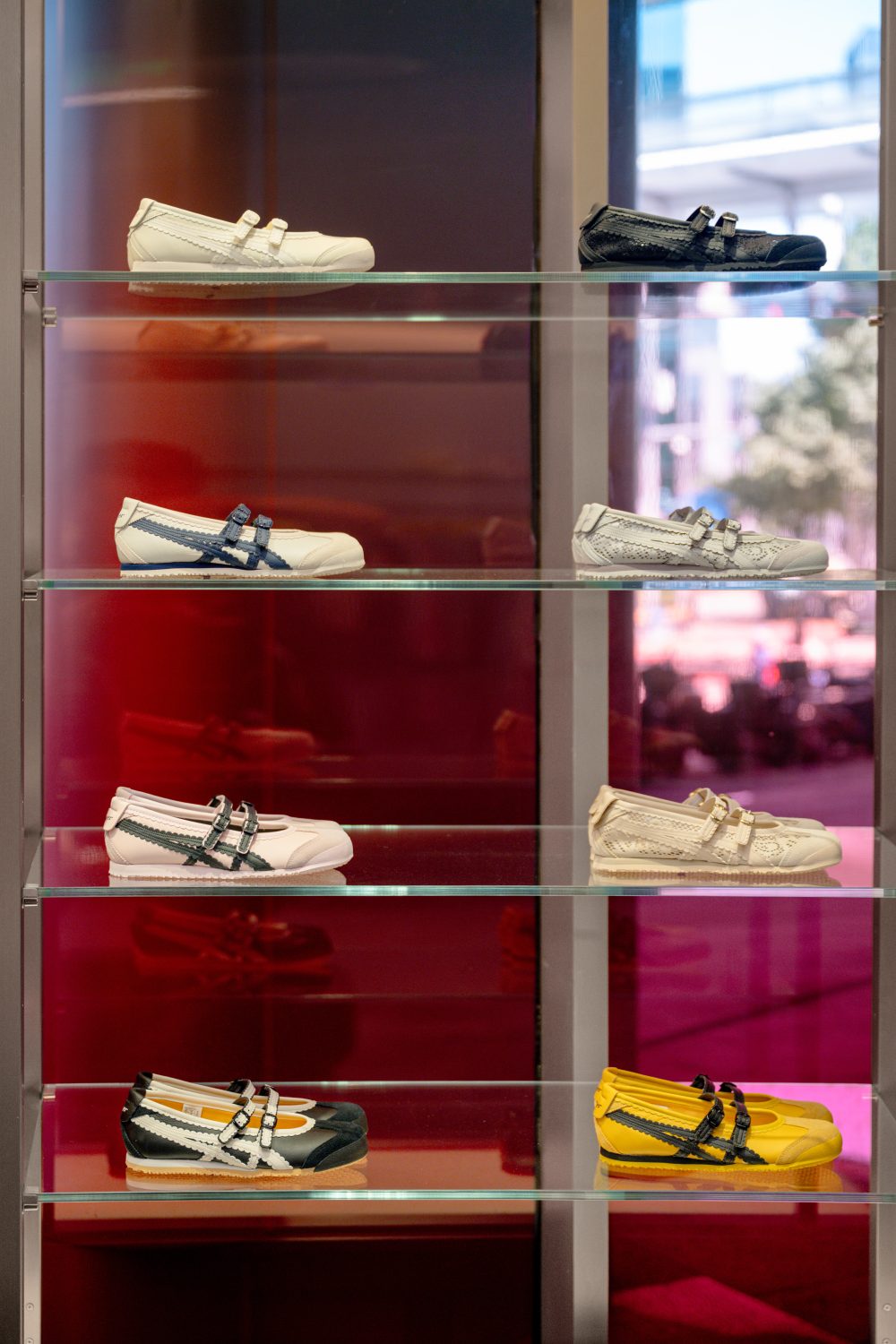
“Young women are one of our key growth segments.” Kanome believes these consumers place greater emphasis on fashion, styling, and quality, while Contemporary’s more understated approach to visible logos and stronger fashion credentials directly addresses these needs.
The boundaries of the product portfolio are also continuing to expand. Beyond footwear, Onitsuka Tiger now covers ready-to-wear, bags and accessories, and has extended further into lifestyle categories including fragrances, eyewear, and designer toys.
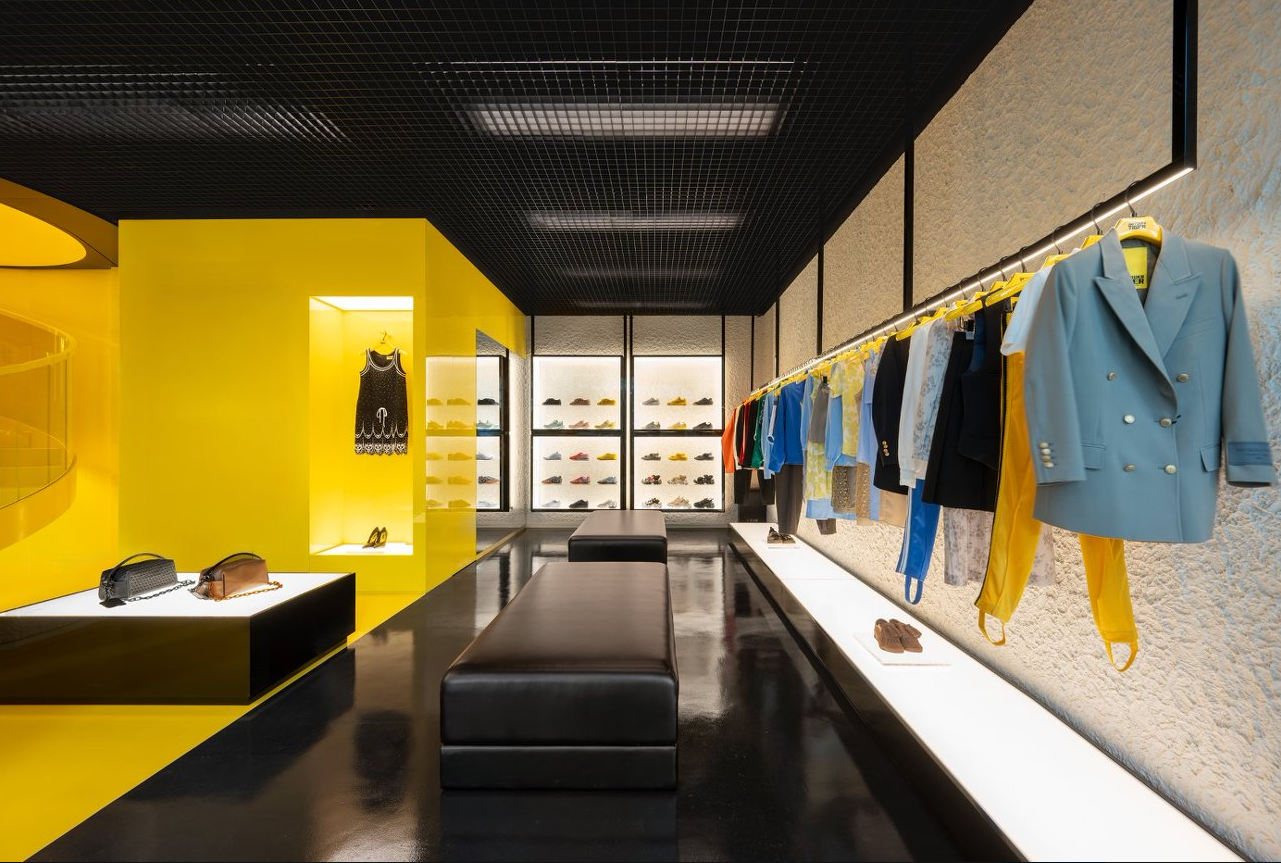
“Larger stores allow us to display more categories and give consumers a broader range of choices,” Kanome explained. Three to five years ago, many Onitsuka Tiger stores were relatively small and focused primarily on footwear. With the emergence of larger-format stores, the brand can now present consumers with more non-footwear products, including apparel, bags, and accessories.
As a result, the role of MEXICO 66 within the brand’s product architecture is also evolving.
“Classic shoes such as MEXICO 66 have long enjoyed broad popularity, and they serve as a ‘touchpoint’ for reaching different types of consumers. Once they like what they see, they can gradually explore other categories such as apparel, bags and fragrances,” Kanome said. “We hope consumers discover Onitsuka Tiger through MEXICO 66, but ultimately stay for the breadth of our products and lifestyle offering.”

From the Runway to Everyday Life, Local Culture Becomes Part of Product Innovation
From MEXICO 66 to a diversified product portfolio, Onitsuka Tiger has expanded in terms of “breadth”. But to truly live up to its identity as a “lifestyle brand”, it must answer another question: how can premiumisation be achieved without sacrificing “youth appeal” and “accessibility”?
This is also about striking a balance between price positioning and product strength. If premium positioning is communicated solely through price increases, a brand can easily lose touch with younger consumers; but if it relies solely on marketing to generate buzz, its premium credentials are difficult to sustain. Onitsuka Tiger’s solution is to develop “runway language” and “craftsmanship” through two parallel product lines, then use local culture to connect them with consumers’ everyday lives.
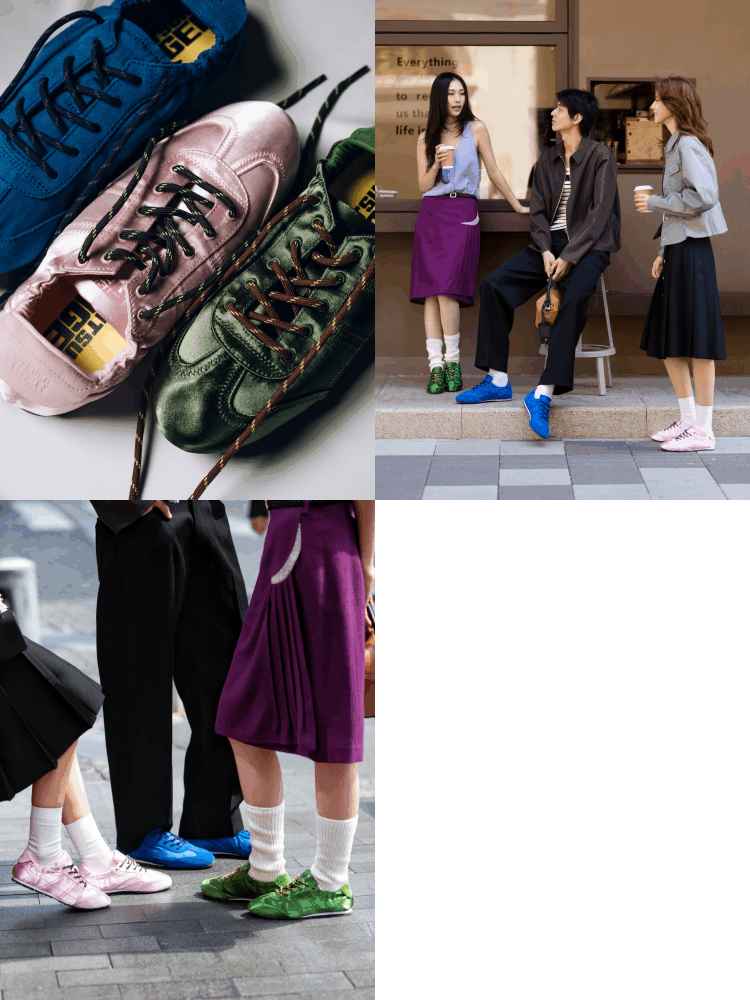
Through products such as PLABALA, the brand is experimenting with translating the materials, silhouettes and decorative details of its fashion week collections into footwear better suited to everyday wear.
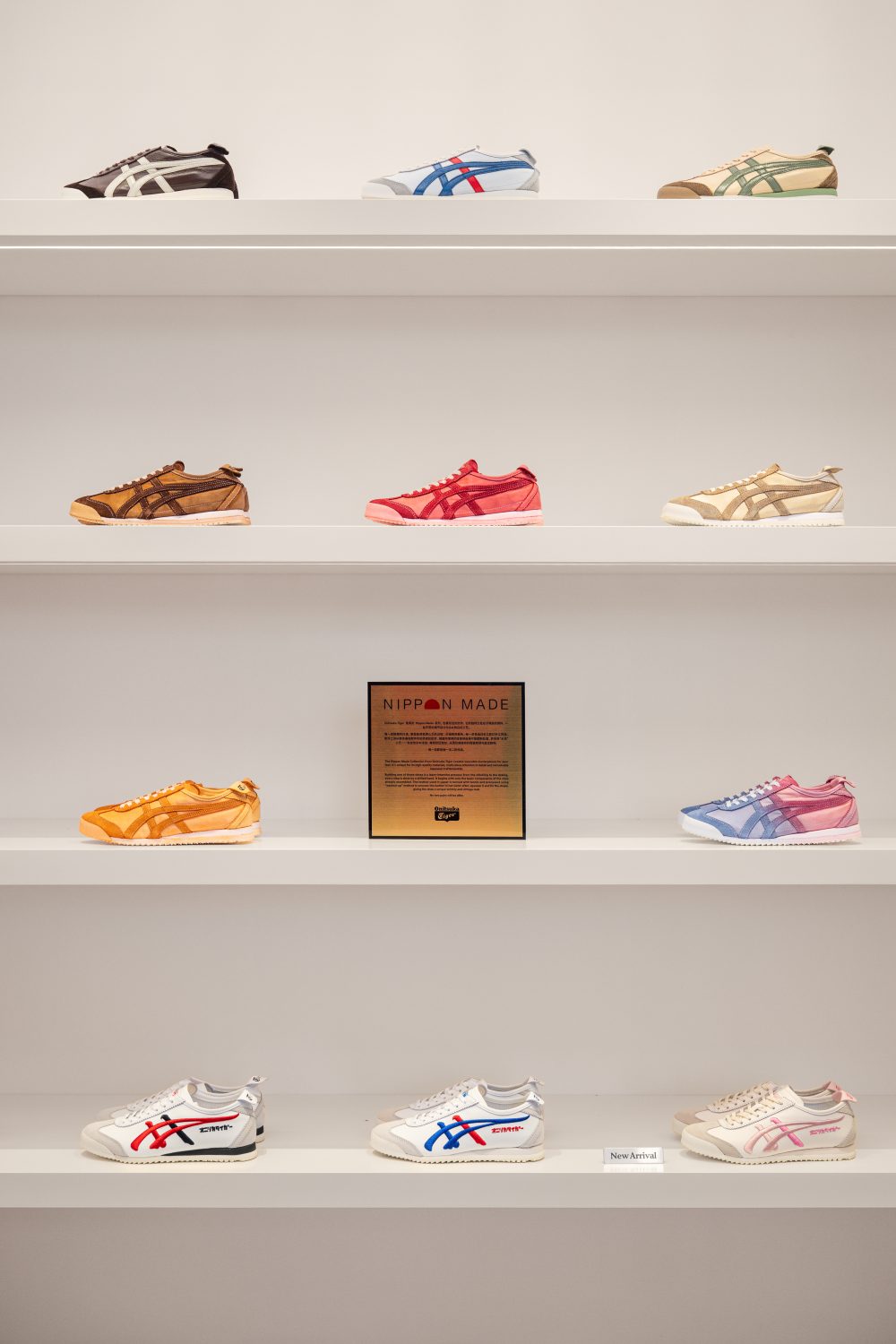
Another part of the portfolio conveys the brand’s premiumisation through provenance, materials and craftsmanship. NIPPON MADE emphasises Japanese manufacturing, while ITALIAN MADE reinterprets classic styles such as MEXICO 66 and FABRE through Italian leather, Italian craftsmanship and vintage-inspired finishing techniques. For these products, the premium consumers pay comes not only from the brand name, but also from their provenance, materials, and production processes. They address a different consumer need: a willingness to pay for quality and collectability.
At the same time, the brand is taking a more proactive approach to the relationship between “global design language” and “cultural expression in the Chinese market”. Onitsuka Tiger’s CNY collection represents one such experiment: rather than simply adding local elements to globally standardised styles, it incorporates local cultural details within a unified design language. Kanome noted that these products have received positive feedback not only from Chinese consumers, but also in other Asia-Pacific markets.
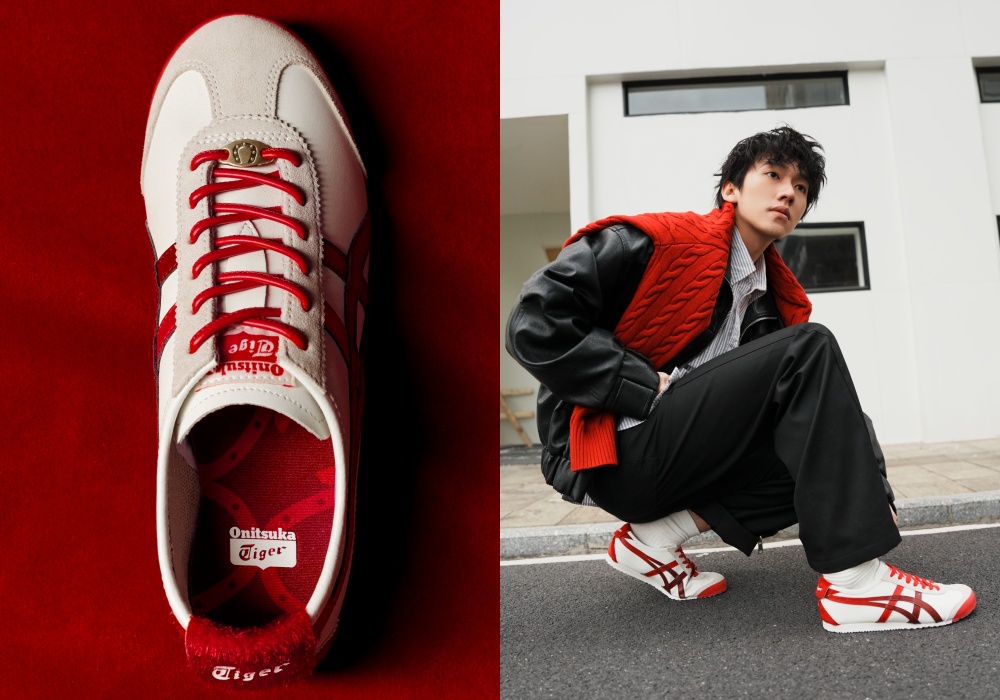
For Onitsuka Tiger, localisation is therefore not a separate product strategy operating outside its global brand system, but an integral part of its global design framework: maintaining a consistent brand aesthetic and identity while enabling consumers in different markets to see elements that resonate with their own cultures.
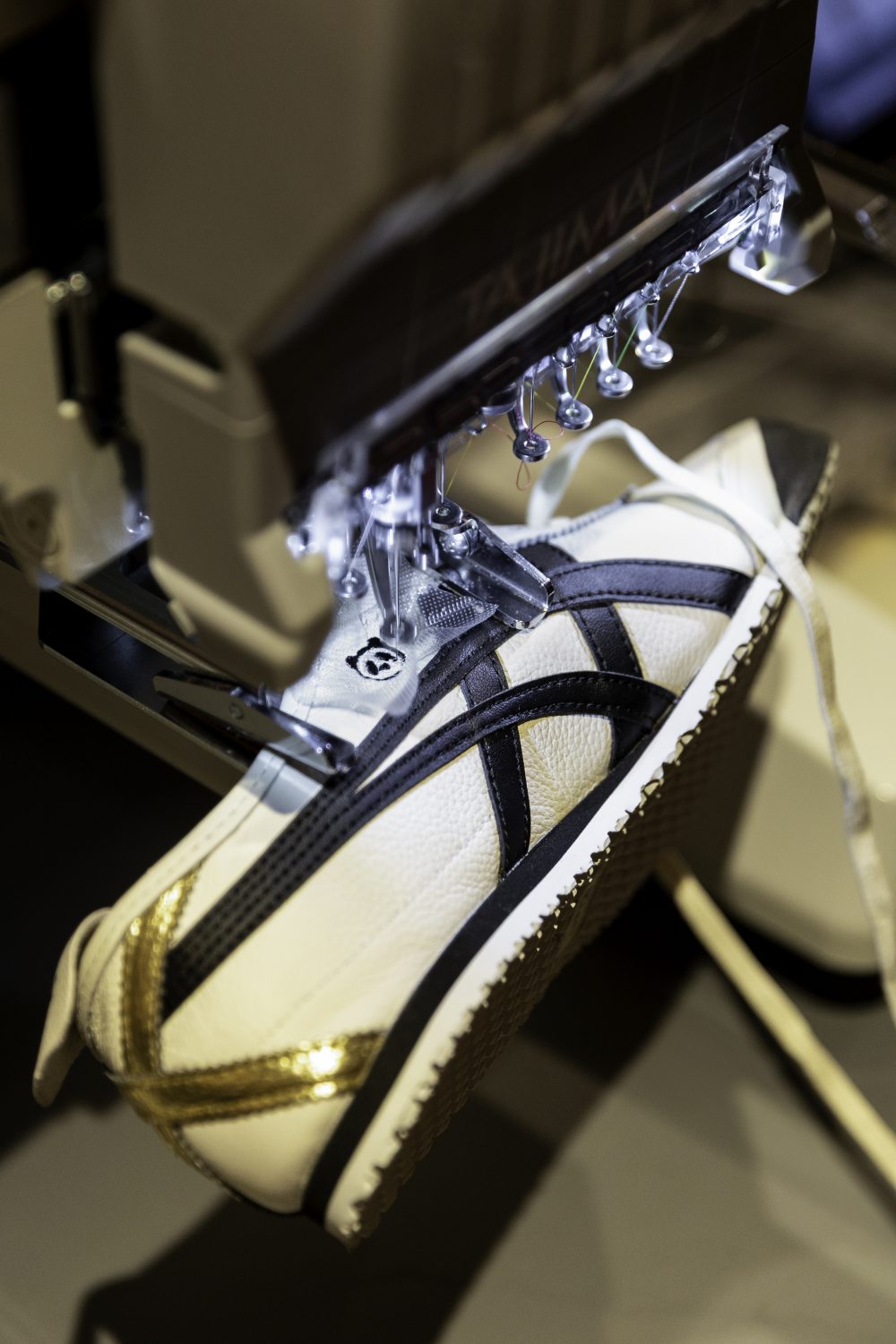
Onitsuka Tiger Chengdu IFS concept store features the first personalised embroidery customisation space in Southwest China
CRM: No Longer Just About Age and Gender, but “What You Like”
As the brand expands from a footwear-led product structure into a broader range of lifestyle categories, consumer relationship management is becoming increasingly important.
Over the past two years, Onitsuka Tiger’s global sales have grown by more than 40% annually. Footwear typically has a lower repeat-purchase rate than apparel, so sustaining such rapid growth requires a continuous influx of new consumers. Kanome revealed that the number of new customers added annually to Onitsuka Tiger China’s CRM (customer relationship management) system is also growing at around 40%.
Onitsuka Tiger China’s CRM data comes from both online and offline channels. Kanome said the brand first segments consumer data by region, and “this data then helps inform our store-opening plans”.
When it comes to consumer profiles, the brand hopes to move beyond segmentation based solely on age and gender. “We would rather distinguish people according to the styles and attributes they like.” For example, consumers may prefer a particular IP or design style, allowing the brand to assign different “interest attribute” tags to different consumers.
This approach also helps explain why Onitsuka Tiger China relies less on traditional celebrity ambassadors and instead connects with consumers through personalised embroidery, seasonal styling salons, new-product pop-ups and member experiences.
Kanome believes the focus of this approach is not short-term traffic, but long-term relationships: “We always put the consumer first.”
CRM data also sheds light on the deeper reasons why consumers choose Onitsuka Tiger.
Kanome believes one reason behind the brand’s global growth is that “there is no real substitute”. Particularly in the RMB 1,000-1,500 (USD 140-210) price range, there are relatively few direct competing products that can simultaneously deliver distinctive design, comfort and brand character.
Another source of growth is the spillover from luxury consumption. “Many consumers who previously bought luxury goods have changed their mindset and begun gravitating towards our brand.” In Kanome’s view, Onitsuka Tiger is more like a brand that is “just right” – “it has functionality, design and comfort, while the price is reasonable. It doesn’t cost tens of thousands like luxury products often do. Everything is just right.”
At the same time, Kanome has observed that in recent years, some Chinese consumers have shifted their focus when assessing product value, moving away from conspicuous brand logos towards materials, craftsmanship, heritage and design details.

“For us, this shift has put the brand in exactly the right place to capture a new wave of opportunity.”
With a history spanning nearly 80 years, a spirit of craftsmanship and a distinctive design aesthetic, Onitsuka Tiger hopes to use this opportunity to transform previously understated brand assets into value that today’s consumers can perceive through its products and experiences.
Conclusion: A Ten-Year Vision for the Independent Era
In 1949, Kihachiro Onitsuka founded the brand and named it “Tiger”, inspired by an animal that, in his eyes, embodied both strength and agility. Nearly 80 years later, this “Tiger” is entering its moment of independence.
Looking ahead, Kanome has outlined a clear long-term direction for the Chinese market: continuing to deepen product premiumisation and expand into premium retail channels, opening large-scale flagship stores in key cities and moving into premium shopping districts; advancing localised product development by incorporating Chinese cultural details within the global design framework; creating original cultural content and communicating the brand’s aesthetic vision through retail spaces, limited-edition displays and brand storytelling; and refining membership management by moving from age- and gender-based profiles towards style and interest attributes, building longer-term consumer relationships.
As noted earlier, the resurgence of retro running shoes, consumers’ shift from chunky, highly cushioned footwear towards cleaner, low-profile shoes, and the spillover from luxury consumption are all tangible signs of the expansion of the “accessible luxury sports fashion” segment over the past two years. Onitsuka Tiger’s position within this space is defined by its ability to continually balance its retro heritage with a contemporary sense of luxury.
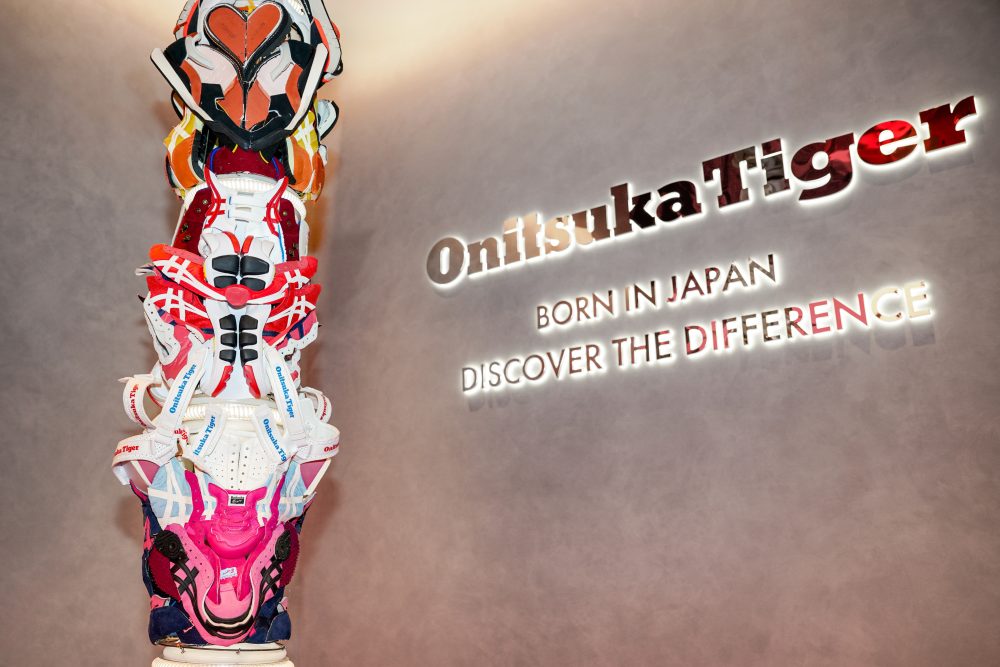
Independence does not mean severing ties with ASICS. Rather, it is intended to give Onitsuka Tiger a clearer brand identity, transforming the retro DNA, spirit of craftsmanship and design aesthetic that have remained relatively understated over the past nearly 80 years into drivers of its next phase of growth.
In a sense, this is more like the brand’s identity coming fully into focus – allowing the “Tiger” that has always been there, but long remained within the ASICS system, to step into the spotlight for the first time in its complete form.
| Image Credit: Onitsuka Tiger
| Editor: Xiaoyue