After experiencing explosive growth in the post-pandemic era, the fragrance industry now finds itself at a delicate crossroads. On one hand, emerging markets represented by China continue to release strong demand; on the other, warnings that the global perfume boom may have “peaked” are becoming increasingly frequent.
The answer to this question is not a simple “yes” or “no.” Through analysis of the latest financial and industry data, Luxe.CO has found that the fragrance sector is moving beyond the broad-based, high-speed expansion seen after the pandemic and entering a new phase of high-quality development driven by product strength, cultural resonance, and innovation. High-end luxury and niche artisanal fragrances remain the primary growth engines for beauty conglomerates; capital continues to flow toward premium and niche brands with distinctive cultural DNA; and China remains a high-potential, low-penetration market.
Cyclical Fluctuations Do Not Undermine the Resilience of the High-End Fragrance Segment
Although major beauty and fragrance groups have experienced cyclical fluctuations in overall performance, high-end luxury and niche artisanal fragrance brands continue to serve as the primary growth drivers and strategic focus.
— Leading groups: Fragrance still leads growth, but the pace is slowing
Estée Lauder Companies reported fragrance sales of USD 812 million for the second quarter of fiscal 2026 (ended December 31, 2025), up 9% year-on-year, making it the fastest-growing category across the group. Brands such as Tom Ford, Le Labo, and KILIAN PARIS performed strongly, driving high single-digit growth across all regions. This performance marks a significant improvement compared to the same period last year (ended June 30, 2025), when fragrance sales were flat while other categories declined.
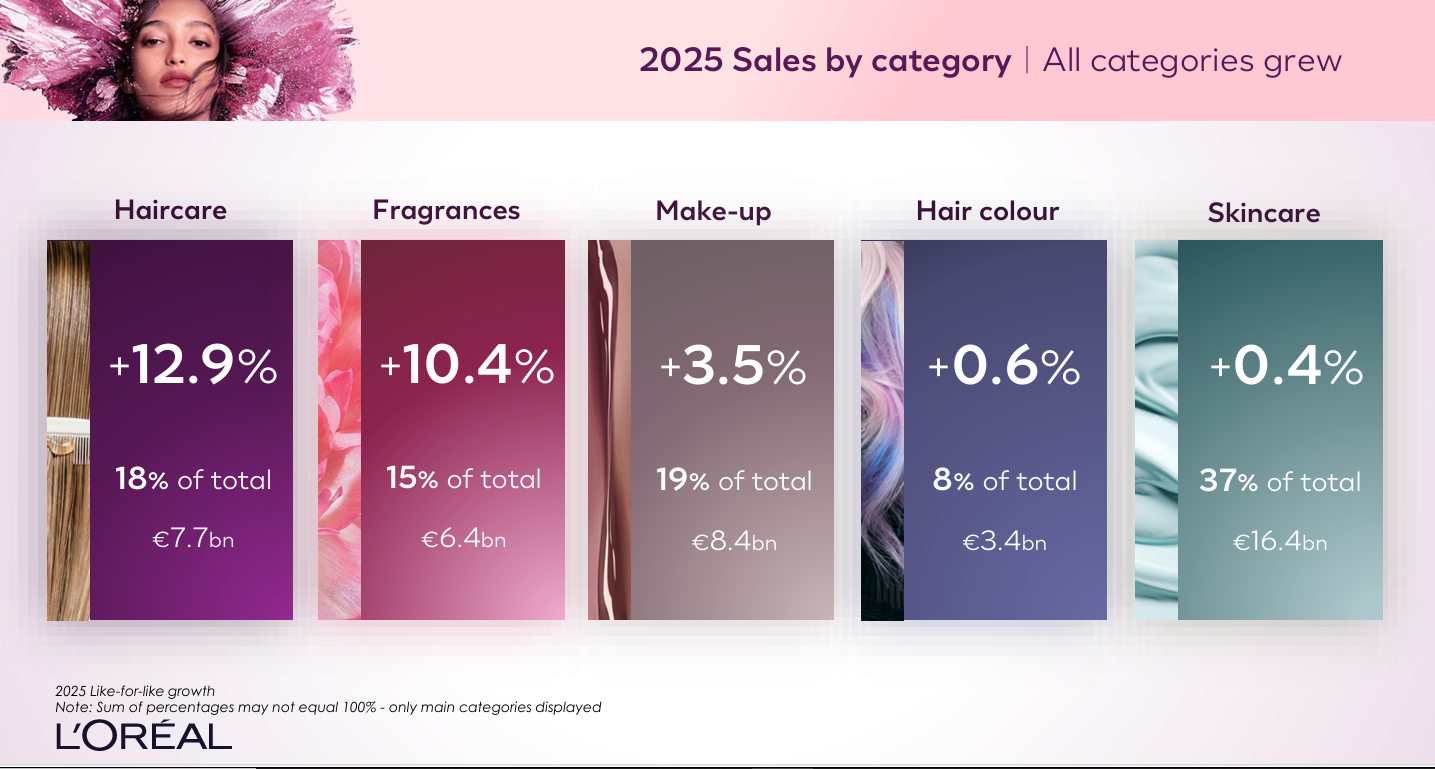
L’Oréal reported fragrance revenue of EUR 6.4 billion for fiscal 2025 (ended December 31), accounting for 15% of total group revenue and representing a 10.4% year-on-year increase, second only to the haircare division. Although growth slowed compared to 14% the previous year, fragrance increased its share of total revenue, supported by a diversified portfolio spanning premium fragrances (Aesop, Maison Margiela) and couture fashion fragrances (Yves Saint Laurent, Valentino, Prada, Miu Miu).
Spanish fragrance, beauty, and fashion group Puig surpassed EUR 5 billion in revenue in fiscal 2025, achieving ahead of schedule its ambitious goal of doubling revenue within three years and tripling it within five.
However, Chairman and CEO Marc Puig acknowledged during the earnings call that “fragrance growth slowed in fiscal 2025, reflecting tougher comparisons and a normalization following the category’s rapid expansion.”
Commenting on potential merger discussions between Estée Lauder and Puig, Jefferies analyst Sydney Wagner noted that such a deal could enrich Estée Lauder’s portfolio, particularly in fragrance, but that “the high-growth phase of the fragrance cycle is now entering its middle-to-late stage.”
— Upstream players: Structural divergence, with emerging markets driving growth
Upstream fragrance ingredient and manufacturing companies also continue to grow, though with clear regional divergence, as emerging markets act as the main engine.
International fragrance development, manufacturing, and distribution group Interparfums SA, which holds licenses for brands such as Jimmy Choo, Coach, and Lacoste, reported revenue of USD 1.489 billion in fiscal 2025, up 2% year-on-year. Among its markets, China surged 27%, becoming the key growth driver.
Swiss fragrance giant Givaudan posted revenue of CHF 7.5 billion in fiscal 2025, with 5.1% growth at constant exchange rates. High-growth emerging markets expanded by 8.0%, outpacing mature markets at 2.4%.
— Leading niche luxury brands: Continued high growth
In contrast, leading niche luxury brands have maintained more explosive growth trajectories.
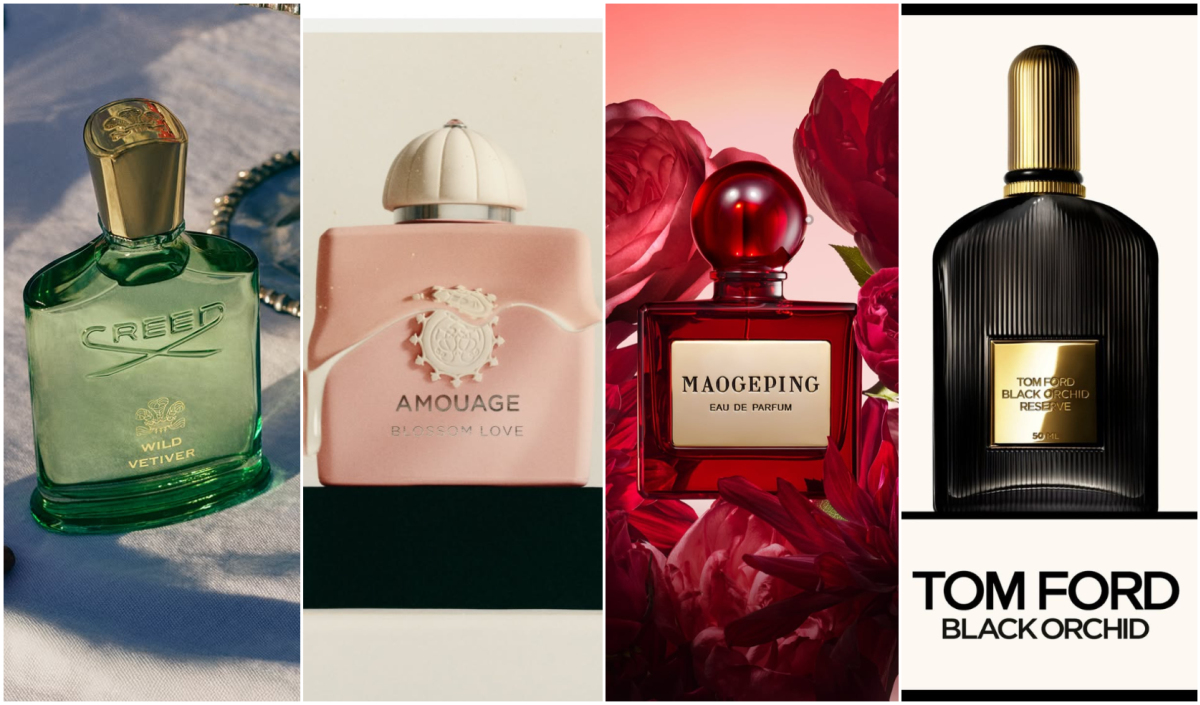
Omani luxury fragrance house Amouage recorded its best performance in its 42-year history in fiscal 2025, with global retail sales expected to reach USD 430 million, up 66% year-on-year. The brand has doubled its revenue over the past two years and maintained an average annual growth rate of over 25% over the past five years, significantly outperforming the global fragrance market.
Kering reported that its beauty division generated EUR 150 million in revenue in the first half of 2025, up 9% year-on-year, with second-quarter growth accelerating to 12%, driven particularly by strong performance from women’s fragrances of British niche brand Creed. (At the end of 2025, L’Oréal announced the acquisition of Kering Beauté, including Creed, for EUR 4 billion.)
Product Premiumisation and Deeper R&D Investment Strengthen Barriers
As the “emotional value dividend” begins to fade, fragrance brands are accelerating efforts to build deeper competitive moats. This shift is most evident in product premiumisation and sustained investment in R&D and production capacity.
— Product: Accelerating premiumisation
First is the premiumisation of product structure. Brands are expanding their portfolios and iterating high-end lines to reinforce competitiveness in the fragrance category.
According to Amouage’s fiscal 2025 data, sales of its top-tier Exceptional Extraits collection surged by 157%, now accounting for more than 25% of total revenue, directly validating strong market demand for high-concentration luxury fragrances priced above USD 500.
Interparfums Inc. continues to refine its brand portfolio, deepening partnerships with brands such as Jimmy Choo and Coach while launching its own new luxury fragrance brand, Solferino, to further complete its high-end offering.
Italian luxury house Dolce&Gabbana provides a representative example of product iteration through the relaunch of its classic The One fragrance line. On the product side, it introduced higher-concentration versions, adding The One Eau de Parfum Intense for women and a Parfum version for men, while reformulating the entire line to enhance longevity. Supported by a campaign featuring global icon Madonna, the relaunch received positive market feedback. As a result, Dolce&Gabbana’s beauty business grew 14% year-on-year in 2025, with fragrance as its core category now present in approximately 20,000 points of sale worldwide.
— R&D and production: Strengthening the full value chain
On the R&D and production side, investments across the entire value chain are reinforcing both growth stability and barriers to entry.
Coty launched an AI-powered fragrance retail concept store, “My Scent Edit,” at Langham Beauty in Mong Kok, Hong Kong, using artificial intelligence to deliver personalised fragrance recommendations and reshape the offline retail experience.
Estée Lauder has established a global fragrance innovation R&D network, including the launch of La Maison des Parfums on Rue Volney in Paris, focusing on world-class fragrance expertise and advanced technological development to support product innovation.
L’Oréal has invested EUR 60 million to upgrade its fragrance manufacturing facility in France, increasing annual production capacity to 200 million bottles.
Chanel has invested approximately EUR 150 million to build a new fragrance production site in the Hauts-de-France region, strengthening its core supply chain and high-end fragrance manufacturing capacity.
Upstream fragrance ingredient companies are also expanding capacity and upgrading technology: Givaudan has invested over RMB 300 million (approximately USD 41 million) in a new fragrance and beauty facility in Guangzhou; IFF has deployed a fully automated Colibri system at its Jurong plant in Singapore with a total investment of USD 70 million; French group Mane has launched construction of its second-phase production base in Pinghu, Jiaxing.
The dual reinforcement of product structure and R&D manufacturing capabilities is also giving capital greater confidence to flow toward high-end niche brands with distinctive cultural narratives.
Capital Targets Cultural DNA as High-End Niche Segments Gain Momentum
Capital activity in the fragrance industry remained highly active in 2025, with investment directions becoming increasingly focused. This further validates the sector’s long-term growth potential while continuing to optimise the industry landscape.
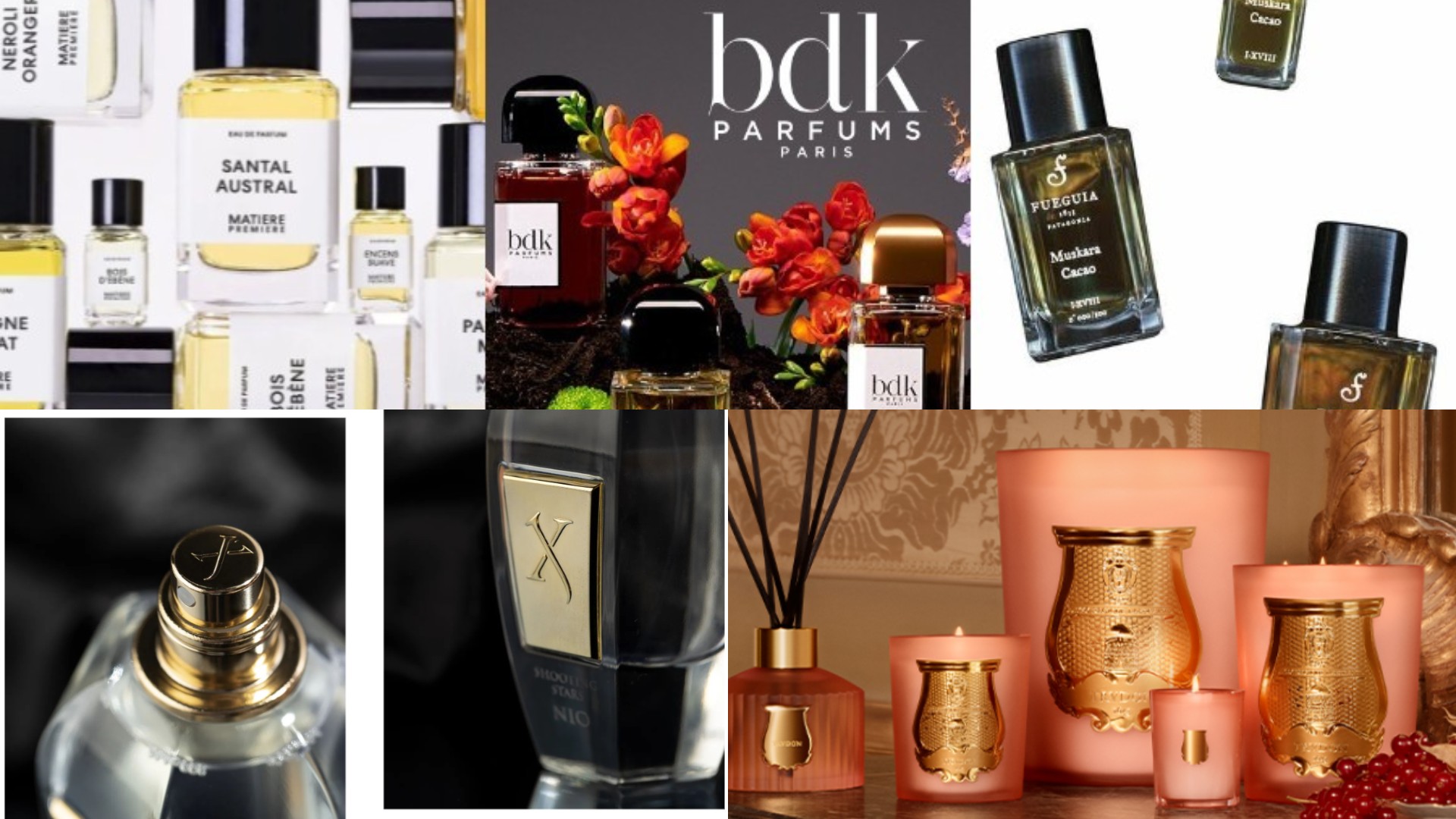
M&A deals are becoming more targeted. From LVMH-backed private equity fund L Catterton taking a stake in French high-end fragrance brand EX NIHILO, to LVMH’s venture capital arm investing in French niche fragrance brand BDK Parfums; from Estée Lauder Companies making its first move into Latin America by investing in Mexican luxury fragrance brand XINÚ, to L’Oréal finalising its EUR 4 billion all-cash acquisition of Kering’s beauty division—the direction of capital flows is clear: luxury and niche brands with distinctive cultural DNA.
China Remains a High-Potential, Low-Penetration Market
Against the backdrop of slowing growth in global markets, China continues to be regarded by major groups as the most certain source of incremental growth.
— Low penetration underpins long-term growth potential
Coty China’s General Manager of Prestige Beauty and E-commerce, Eymeric Monange, presented a compelling set of data at the 2026 Luxe.CO Fashion Innovation & Investment Forum: fragrance penetration in China currently stands at just 5%, far below that of France (96%), South Korea (22%), and Japan (20%). This significant gap translates into substantial growth potential.
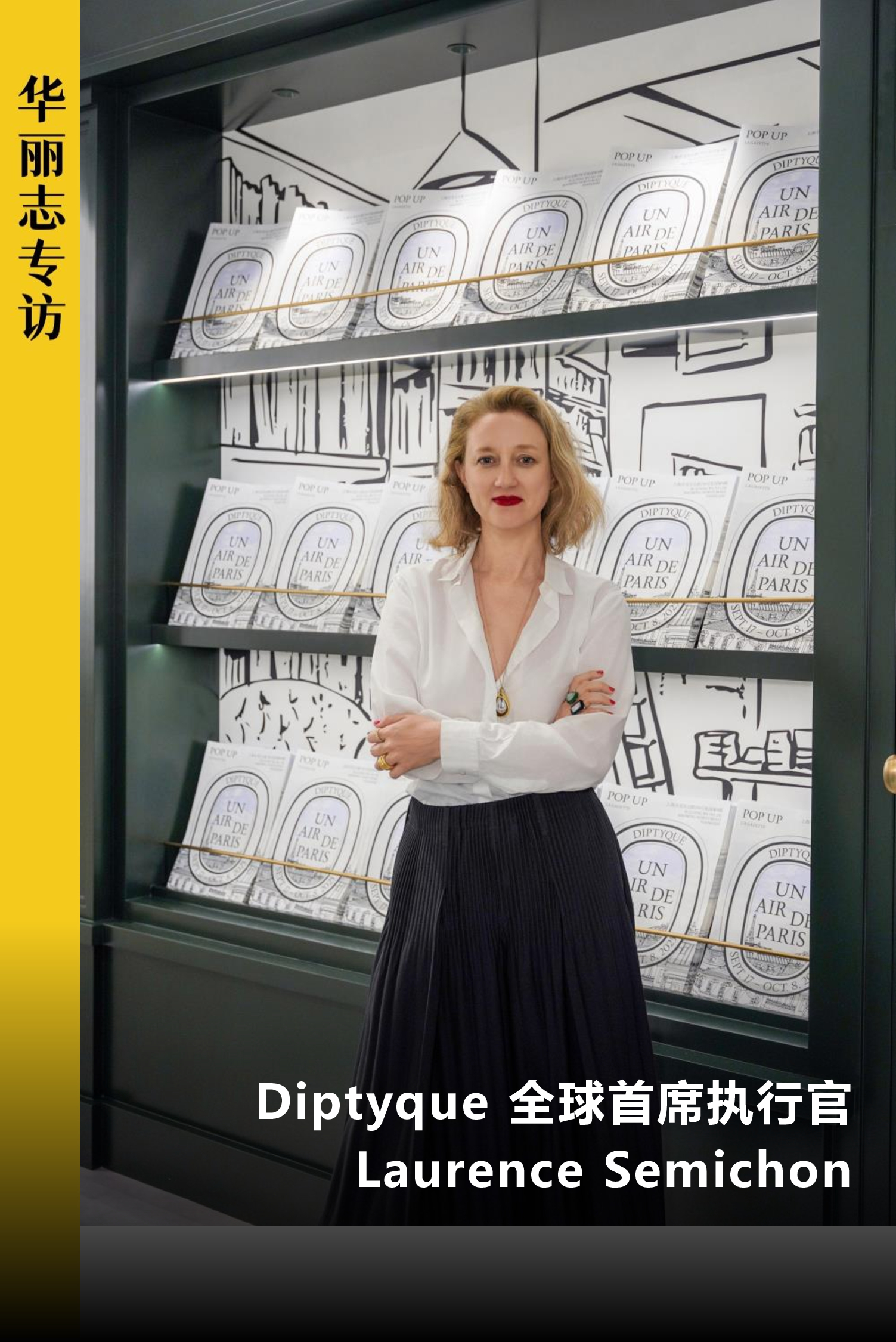
As Diptyque Global CEO Laurence Semichon noted in an exclusive interview with Luxe.CO, the Chinese market is like “gold in hand,” and the key challenge now is how to truly “activate” Chinese consumers’ olfactory appreciation through product education.
— Local brands achieve premium breakthroughs through cultural leverage
In the past, China’s high-end fragrance market was largely dominated by European and American giants. However, financial data and brand developments in 2025 clearly show that local brands are establishing their own competitive barriers through differentiated cultural strategies. This is mainly reflected in two dimensions:
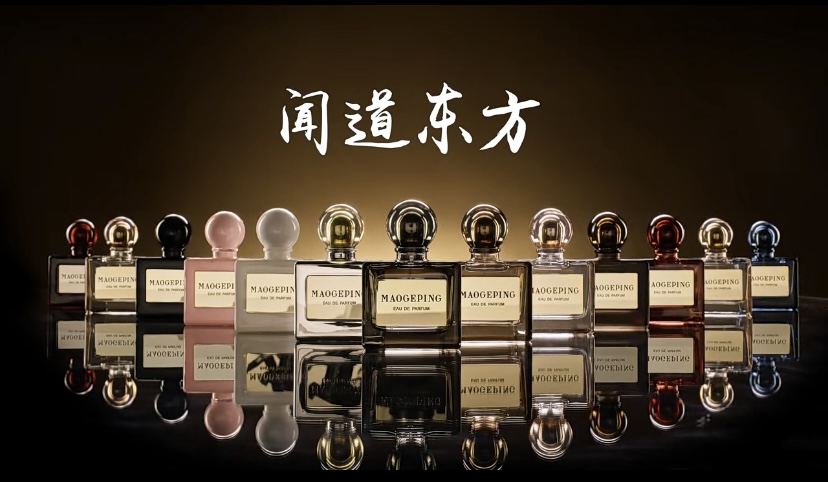
First, anchoring in the high-end segment. Chinese beauty group Mao Geping reported that its newly launched premium fragrance category generated RMB 33.84 million (approximately USD 4.7 million) in revenue in 2025, with a gross margin as high as 78%. Leveraging collections such as “National Essence Fragrance” and the Forbidden City co-branded “Wen Dao Dong Fang,” Mao Geping has demonstrated that premium pricing is not exclusive to the West—deep-rooted Eastern cultural heritage can also serve as a powerful value proposition.
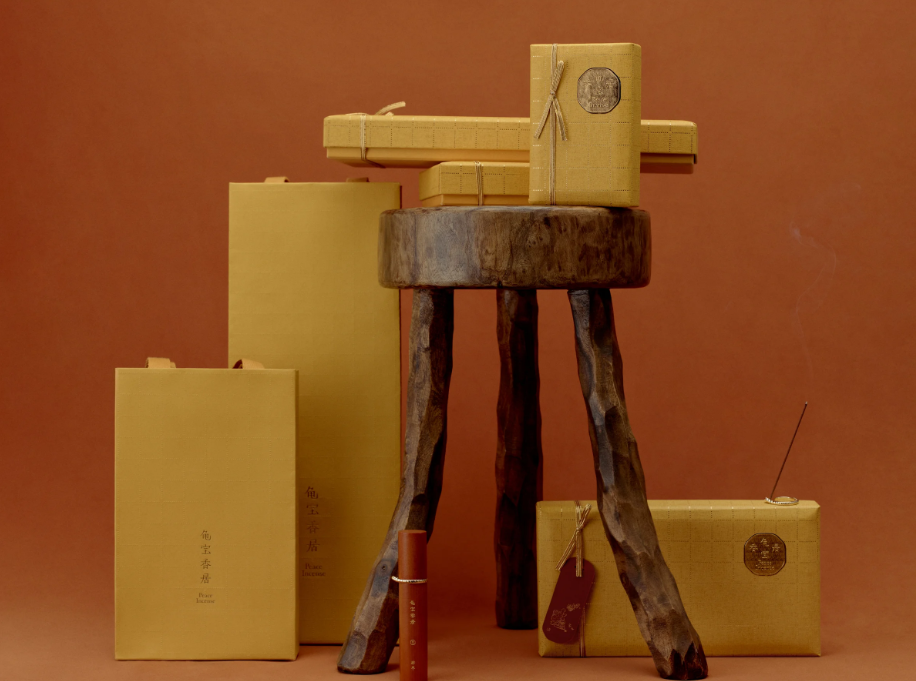
Second, deepening niche segments. Chinese high-end fragrance brand DOCUMENTS has further explored the market potential of Chinese lifestyle aesthetics by launching an incense sub-brand, “Guibao Xiangju.” Founder Meng Zhaoran stated that the greatest advantage of local brands lies in “a deeper understanding of Chinese consumer needs,” with “culture as the most powerful lever.”
— International brands accelerate localisation and scenario-based penetration
International brands have also realised that relying solely on “country of origin” is no longer sufficient to appeal to today’s Chinese consumers, prompting increased investment in localisation and scenario-based retail strategies.
Dutch fragrance and personal care brand Rituals reported a 16% year-on-year increase in global sales to EUR 2.43 billion in fiscal 2025. Behind its strong profitability is its rapid expansion following entry into the Chinese market. In 2025, Rituals opened stores in key high-traffic retail destinations such as Shanghai MixC, Wuxi Hang Lung Plaza, and Shenzhen MixC, embedding its “fragrance lifestyle” concept directly into urban middle-class consumption scenarios through a dense retail network.
At the same time, heritage brands are re-entering the market with renewed strategies. Backed by the Rothschild family, the 120-year-old French fragrance house Caron made a full push into China in 2025. Through local partners, the brand expanded into top-tier retail channels such as SKP, while also staging a major exhibition at Shanghai Tank Shanghai Art Center to engage directly with Chinese fragrance enthusiasts.
Overall, high-end luxury and niche artisanal fragrances remain the core engines of growth. The double-digit or even hyper-growth of leading global fragrance groups and representative independent brands underscores the continued demand among premium consumers for quality and emotional value in fragrance. Increased investment in R&D across the value chain, active participation from capital markets, and the cultural breakthroughs of local brands all signal an industry in the midst of structural evolution. Meanwhile, the steady rise in penetration rates in emerging markets such as China is opening up ever-expanding growth opportunities for both established and emerging brands.
丨Image Credit: Brand official websites
丨Editor: Luxeplace