“Regarding China, allow me to quote myself.”
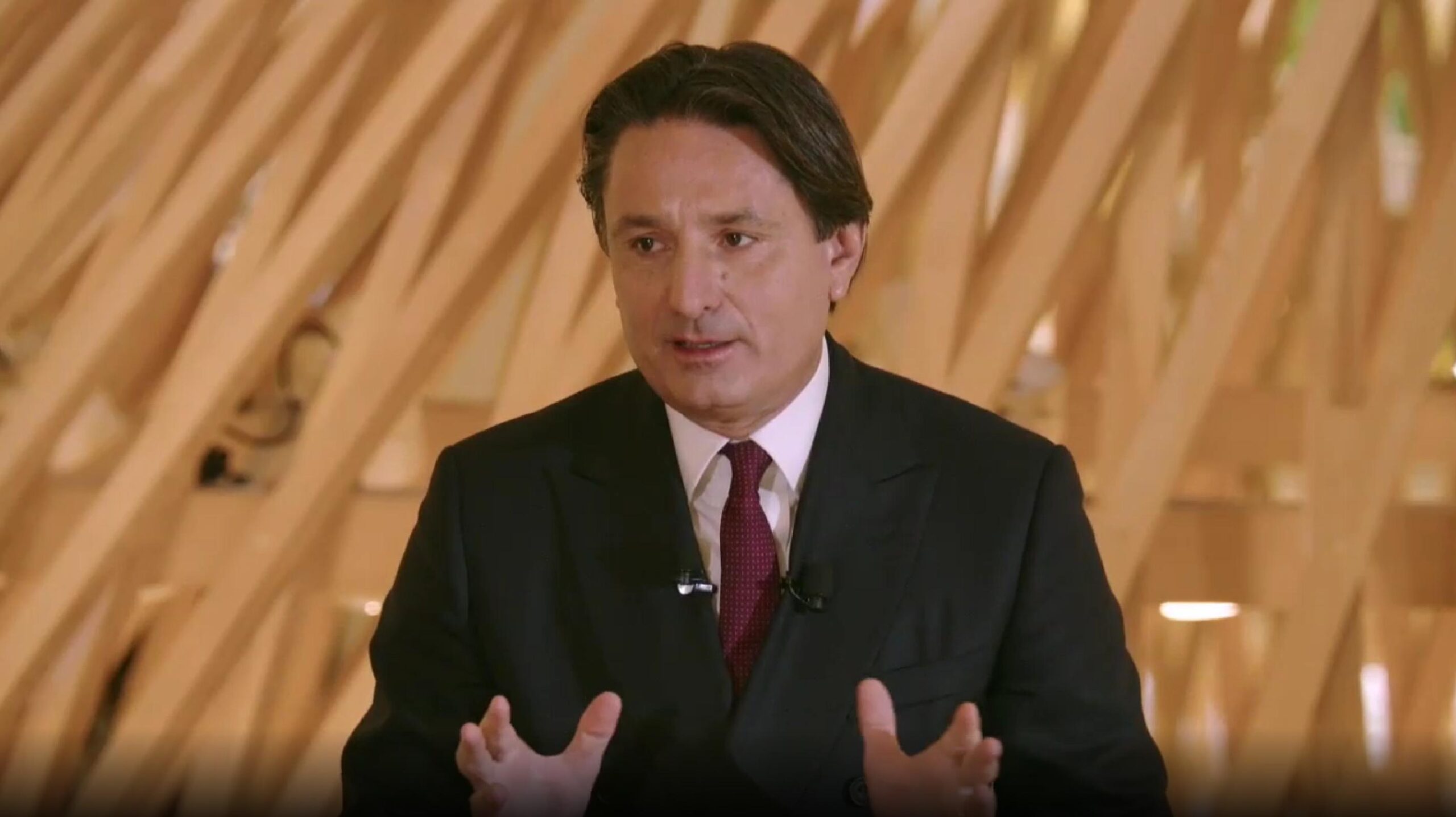
At the recent first-half 2026 earnings call of Hermès, Axel Dumas (pictured below), a sixth-generation member of the Hermès founding family and the company’s Chief Executive Officer, opened his remarks on the Chinese market with these words. What he was about to repeat was the same assessment he had made a year ago and again six months ago: the situation in China has stabilised, but there has been no improvement.
Luxe.CO notes that, globally, Hermès’ Perfume and Beauty business saw revenue decline by 4.5% year-on-year at constant exchange rates in the first half, underperforming the Group’s other business lines. However, when Axel Dumas singled out the three business lines posting the strongest growth in the Chinese market, Perfume and Beauty was among them, alongside Jewellery and Silk.
Management’s explanation for the growth of these three business lines points to a central conclusion about the Chinese market that emerged from the meeting – growth is not being driven by increased traffic, but by repeat purchases from existing customers.
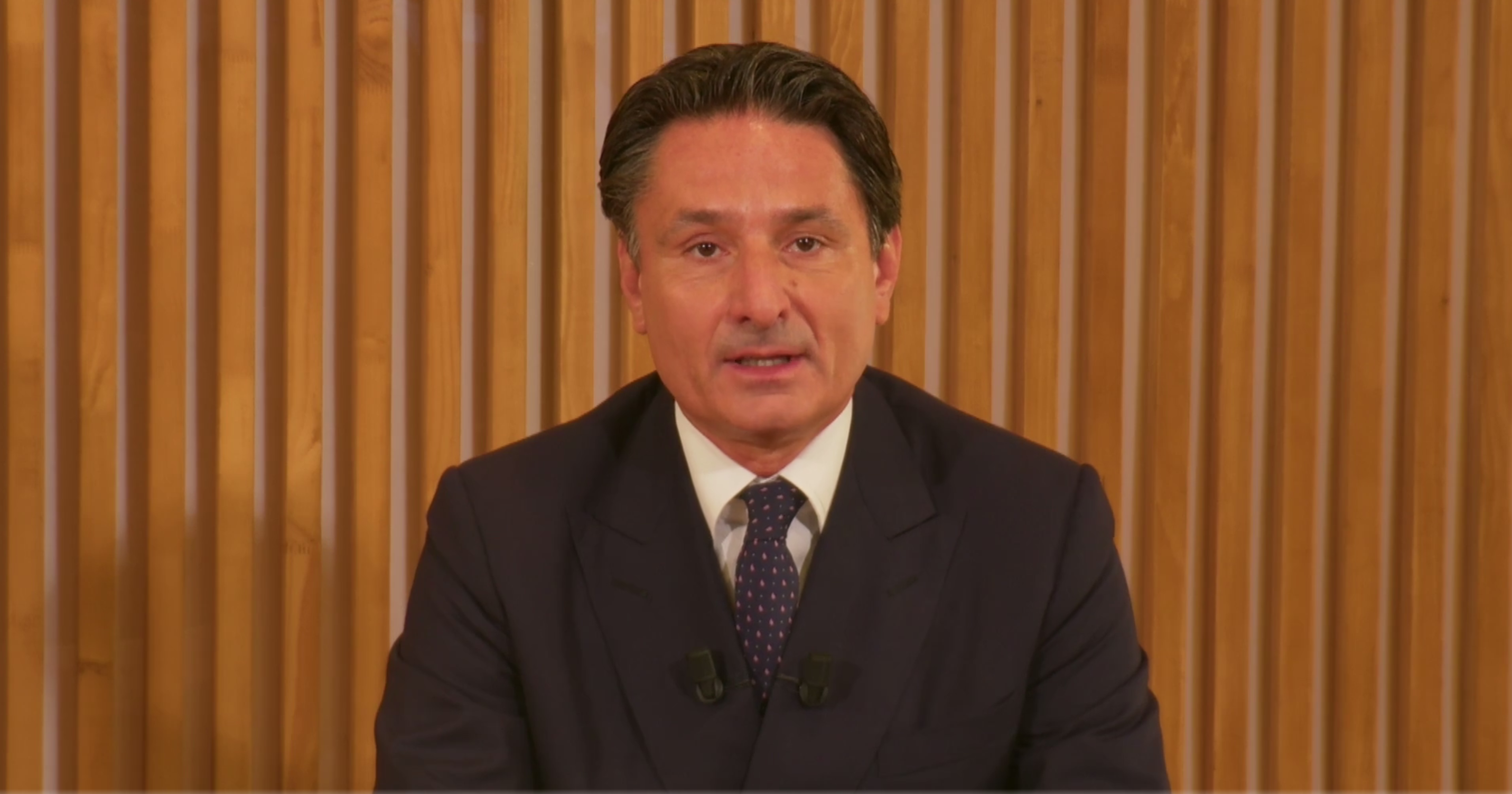
Luxe.CO notes that Axel Dumas mentioned for the first time two indicators that he personally uses to track shifts in Chinese consumption trends: one is the property market, while the other is what he described as a “less obvious” indicator – pork prices.
He said that when assessing a country’s current purchasing power, economic growth is not the metric to watch: “You know my position, which is that what drives purchasing today is a country’s property market and stock market, rather than GDP growth.”
Specifically regarding the Chinese market, his assessment was that households are absorbing the decline in the property market, which accounts for a large share of their savings, and Hermès has seen Chinese consumers increase their savings.
Beyond the property market, the second indicator he personally follows is “pork prices“:
“A less obvious indicator is the price of pork. It is interesting because pork prices are very low. You could say that this is a question of supply and demand, and so on – pork is particularly consumed at banquets and in restaurants. This is something I read in a Chinese article. It is a very good indicator of people’s willingness to celebrate, get together and hold banquets. And prices are very low at the moment.“
“I am not saying that all our customers are sensitive to pork prices. I am waiting for them to rebound, which would be a good indicator that optimism and the desire for pleasurable things have returned.”
Speaking about customer groups, Axel Dumas said that the performance of two types of customers has diverged: “We are seeing that aspirational customers are under greater pressure than affluent customers, while affluent customers have proved resilient. From this perspective, Hermès’ resilience has been strengthening quarter by quarter.”
He said that Hermès would not change its strategy as a result and would continue to make the best products at every price point – the best beauty products, the best ties, the best bags and jewellery. He specifically mentioned the high jewellery event held in China in July, which “was far more successful than we expected”.
Axel Dumas cautioned against looking only at percentages, before highlighting the three business lines posting the strongest growth in the Chinese market:
“Sometimes, in commentary on our figures, we reason too much in terms of percentages. Percentages alone do not tell the whole story relative to absolute values. Today, if we look at the business lines recording the strongest growth in the Chinese market, they would be Jewellery, Perfume and Beauty, and Silk – two of which are not our most high-end business lines. However, this is not necessarily related to a significant increase in traffic, but rather to the loyalty of our habitual customers.”
This ranking does not entirely correspond with the growth rates of the Group’s business lines globally. In the first half, at constant exchange rates, “Other Hermès business lines”, which includes Jewellery, grew by 5.4% year-on-year, Silk and Textiles rose by 9.7%, while Perfume and Beauty declined by 4.5%.
Regarding where Chinese customers make their purchases, Axel Dumas offered an important clarification on how the figures should be interpreted: local customers are a very important indicator, and Hermès’ Chinese customers primarily make their purchases in China. Similarly, performance in Japan and South Korea is mainly driven by local Japanese and South Korean customers, respectively. He said that a defining characteristic of Hermès is its desire to sell products to customers in the countries where they live.
Axel Dumas specifically distinguished Hermès from the luxury industry as a whole – Hermès has not experienced a decline in China, and therefore has no scope for a rebound:
“The particularity of Hermès is that we never went down in China, so I cannot say that we are seeing a rebound. And after the Covid-19 pandemic, we became the number one brand, which was not the case before the pandemic. So our situation in China is stable, but it has still not regained its previous momentum.”
Regarding the future direction of the Greater China market, Axel Dumas said:
“As far as Asia-Pacific is concerned, compared with what I have said previously, we have not seen any change in the trend in Greater China. Over the past two years, the luxury industry as a whole has seen a slight decline in revenue in China. We, however, have continued to grow in China, which is worth noting, and we do not see any change in the trend going forward. China remains a strong foundation block for us.”
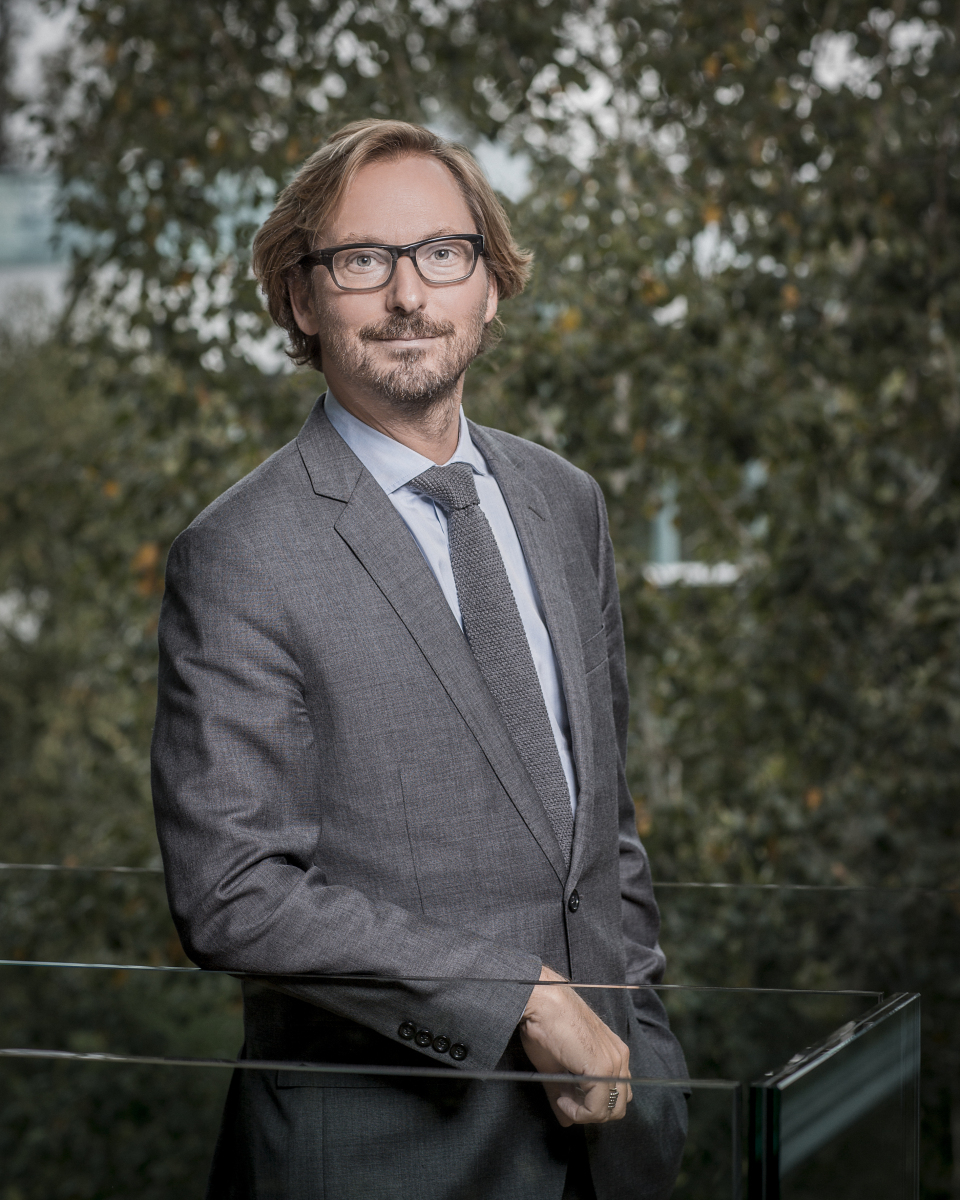
Executive Vice President, Finance Eric du Halgouët confirmed during the meeting that Greater China continued to grow in the second quarter. Axel Dumas added that Greater China benefited from a good Chinese New Year period in the first quarter, which also provided significant support.
In the first half of the year, Hermès made several moves across its store network in Greater China: a new store opened in Beijing’s Sanlitun in early April; at the end of April, the Elements store in Hong Kong, China, and the SOGO Fuxing store in Taipei, Taiwan, China, reopened following renovation and expansion; and in May, the travelling “Hermès in the Making” exhibition, showcasing the craftsmanship of the house’s artisans, was held in Shanghai. Plans for store openings and expansions in the second half of the year include Chengdu in Greater China.
| Sources: Hermès first-half 2026 earnings call, financial report and results presentation materials
| Image Credit: Hermès Group official website
| Editor: Luxeplace