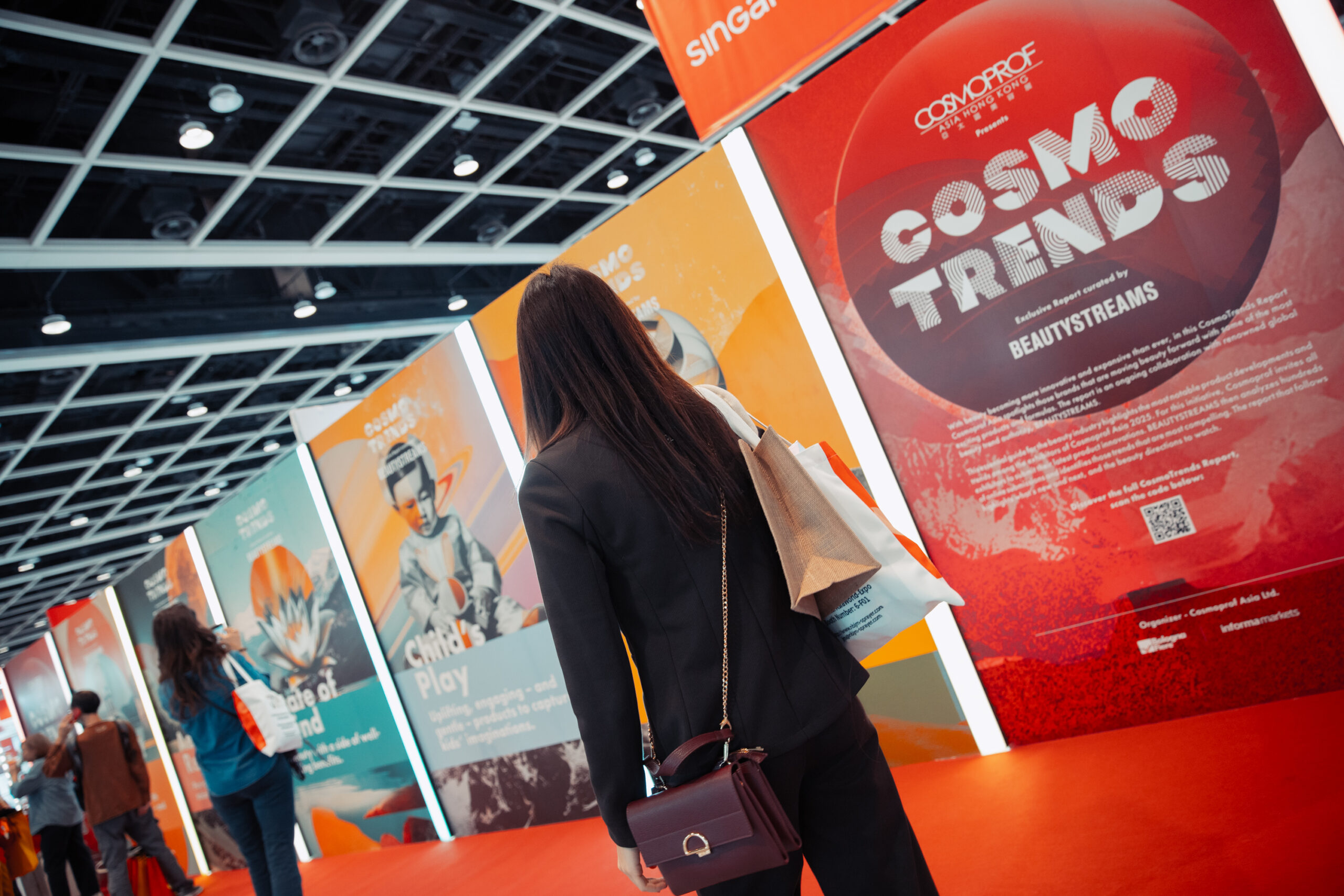
How Is Asia’s Beauty Industry Redefining Its Global Competitiveness?
Three research firms contacted by Bloomberg said that in July, sales at 25 major luxury brands in China fell by more than 10%.
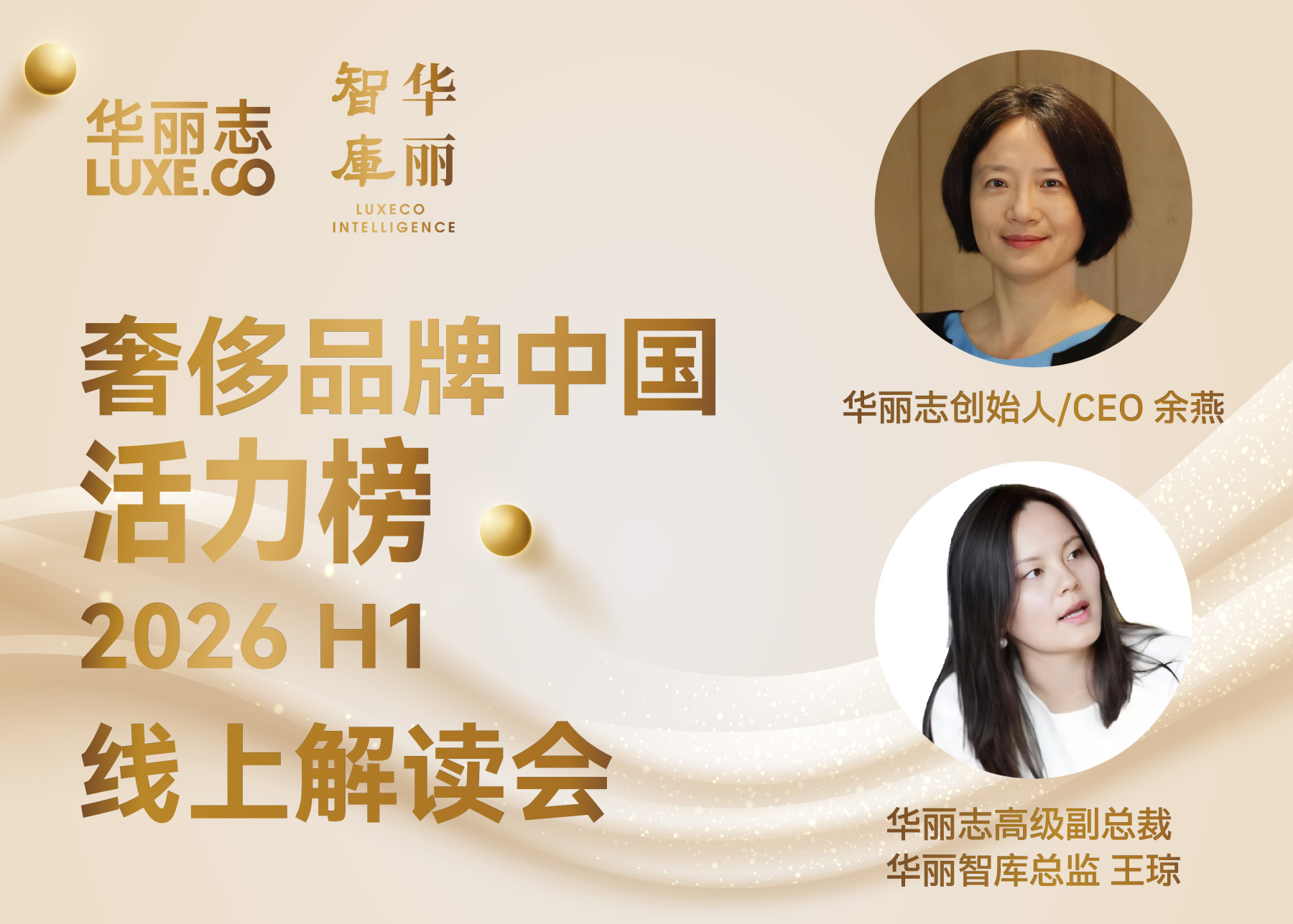
Elisa Wang pointed out that luxury brands are facing two key challenges in the Chinese market.
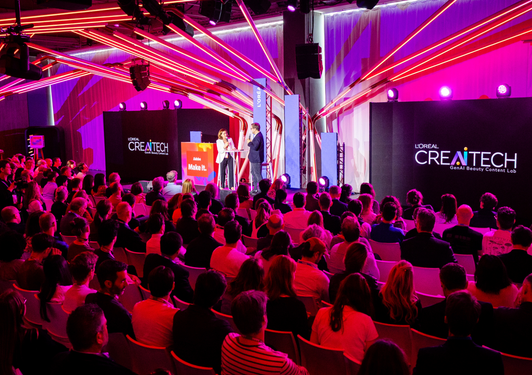
McKinsey pointed out in its 2025 beauty industry report, “How Beauty Industry Players Can Scale Gen AI in 2025,” that generative AI (Gen AI) is expected to contribute between USD 900 million and 1 billion to the global beauty and fragrance industry.

Chinese consumers are shifting from “product consumption” to “experiential consumption,” with a growing willingness to spend domestically.

Nicolas Bos pointed out that growth in the Chinese market was indeed driven by improved performance in Hong Kong and Macao, including both tourist and local customers.

For the eighth time, the Luxe.CO team immersed itself in the heart of Pitti Uomo, decoding the latest trends in the global menswear industry and capturing brand inspirations rich with creativity and insight.
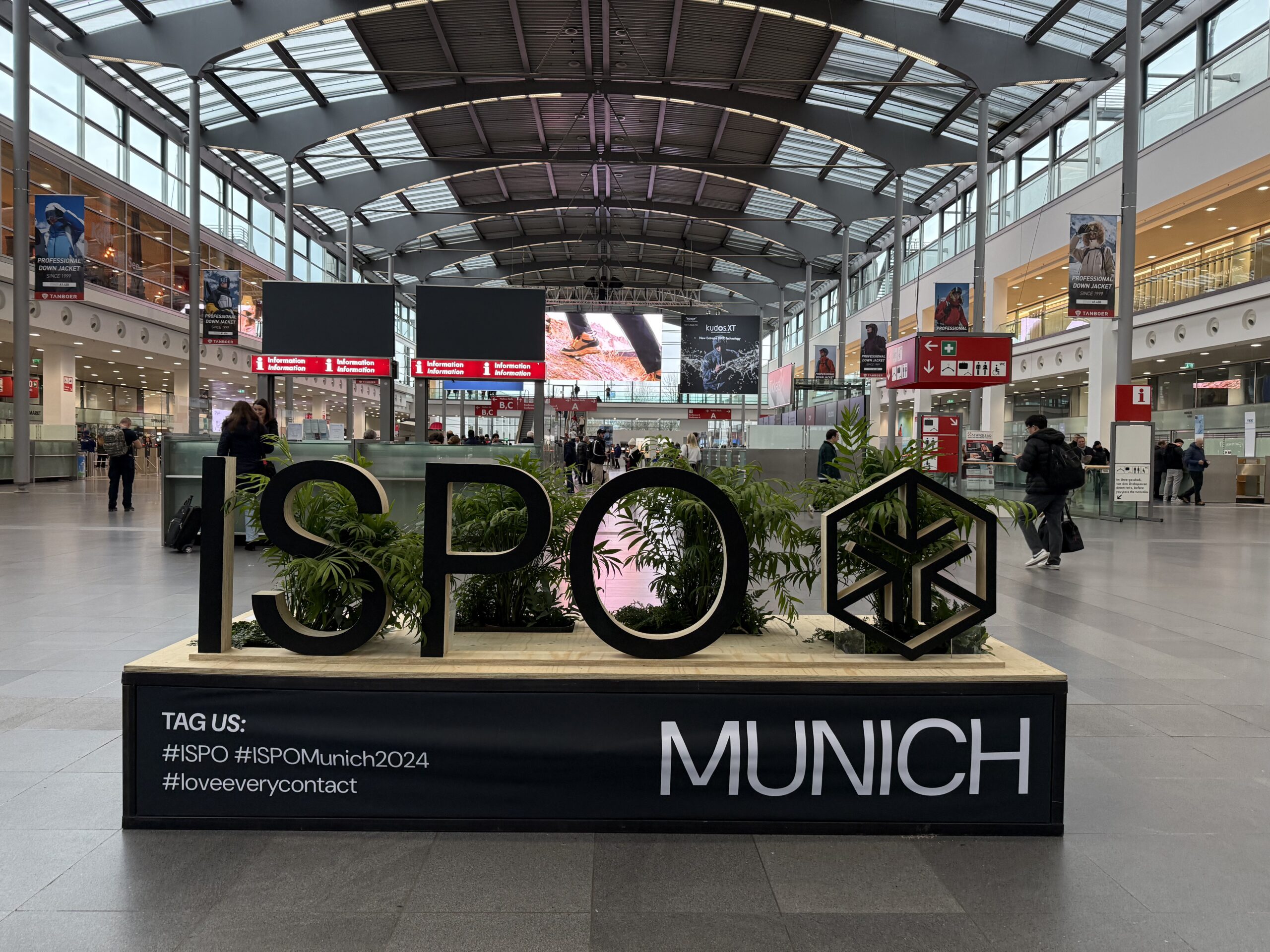
The Luxe.CO research team, with a long-standing focus on the sports and outdoor industries, once again traveled to Munich for in-depth on-site exploration and research at the exhibition.

The prominence of high-end travel retail in the global fashion and luxury landscape continues to rise.
Despite the complex macroeconomic environment, luxury consumption has remained remarkably stable due to consumers’ strong desire for exceptional living experiences.
