Following the close of Hong Kong trading on July 30, Italian luxury group PRADA, which is listed in Hong Kong, released its results for the first half of fiscal 2026 and held an earnings call. The Chinese market was a key focus of the call.
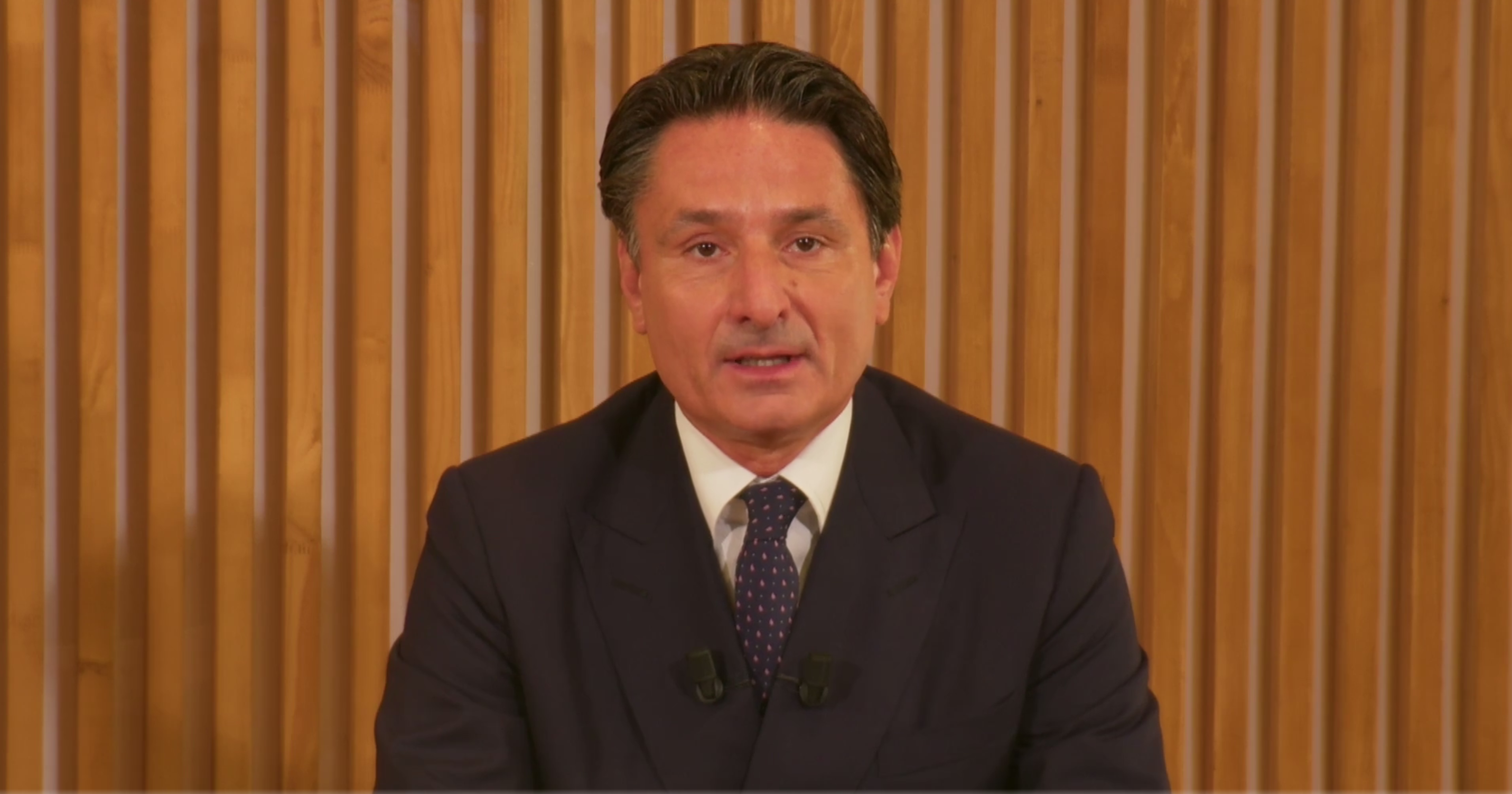
In response to a question about the performance of Prada brand Chinese customers in the second quarter, the Group’s Chief Financial Officer, Andrea Bonini, said that Chinese customers delivered double-digit growth, improving further from the first quarter, with both domestic and overseas spending posting positive growth. However, when the discussion turned to customer trends at the Group’s Miu Miu brand, management grouped Chinese customers together with European customers as showing weaker trends, while Japanese customers were stronger.
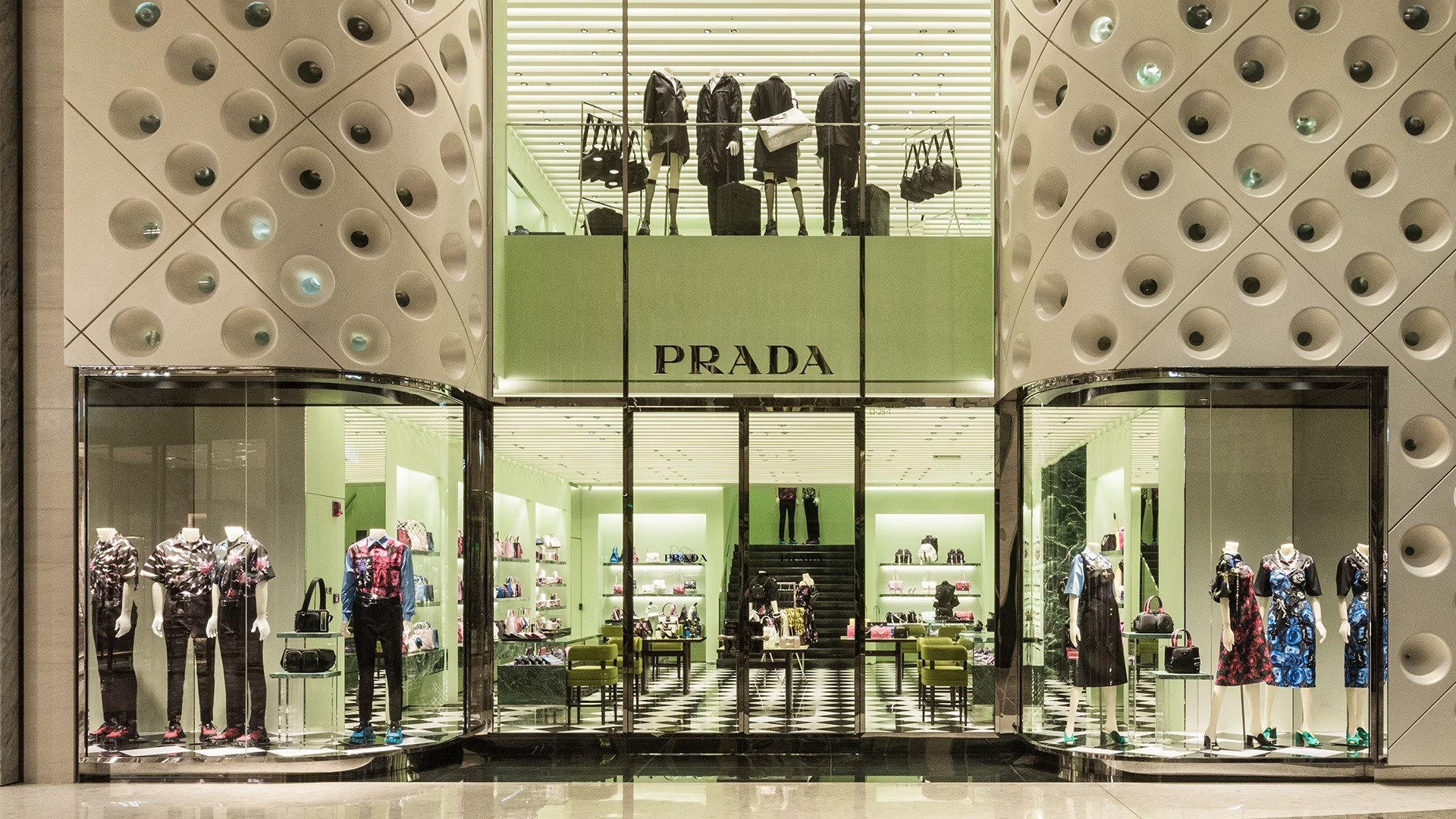
Luxe.CO noted in particular that PRADA Group Chief Executive Officer Andrea Guerra, when discussing plans to adjust the Group’s store network in China, made it clear that over the next two to three years, the Group is likely to close two to three stores in China each year, particularly second or third stores in certain cities, while continuing to renovate and expand the stores it retains.
Drawing on the transcript of the call, Luxe.CO has distilled PRADA Group management’s latest assessment of the Chinese market across four dimensions: Chinese customers, growth drivers, store strategy and market potential.
Chinese customers: Prada brand posts double-digit year-on-year growth in Q2, while Miu Miu trends are weaker
On the Prada brand, Andrea Bonini gave the following full response:
“Chinese customers have been very positive. We saw double-digit growth in the second quarter, with a further improvement from the first quarter. Both their domestic spending and their spending overseas were positive. Having said that, it is not easy, and it is not without challenges – from a traffic standpoint, based on what we know, the industry as a whole is still facing a challenging environment. It is a day-to-day challenge, but the team is doing a very good job and delivering very good results.”
(Other regions: European customers were broadly flat, with a slight improvement; demand from North American customers was very positive and accelerated quarter by quarter; Japanese customers were broadly flat.)
On the Miu Miu brand, Andrea Bonini said:
“Compared with Prada, there are positives and negatives, because this also reflects the different development paths of the two brands over the past few years, as well as their different existing presence and contribution mix across regions. What I would highlight is that we are seeing weaker trends among Chinese and European customers, while the trend among Japanese customers is stronger.”
Growth drivers: Prada brand is returning to its “fair share”
In response to a question about why the Prada brand was able to achieve such a significant sequential improvement among Chinese customers despite the challenging market environment in China, Group Chief Executive Officer Andrea Guerra attributed the improvement to execution:
“I will say it again, with the greatest humility: we are doing our homework. We are still underrepresented in the Chinese market. The team is doing an outstanding job. We are managing our stores differently and managing our relationships with customers differently. Today, we are bringing new customers to the brand. Prada Rong Zhai in Shanghai is operating at 360 degrees – from the art foundation, to our fantastic Mi Shang cafe, to the apartment we have for high-net-worth clients. We are offering customers a 360-degree experience. I have to say that the market environment is very difficult.“
Elsewhere, when discussing the regional drivers behind the Prada brand’s acceleration in the second quarter, Andrea Guerra identified China and the US as two markets where the brand still needs to catch up with competitors:
“We know that we have to catch up in the US, and we are catching up. I think we are growing and doing what we have to do. It is still a very long journey. In China, similarly, we need to get back to our fair share. I think we are working towards that, but it is still a very long journey. In Europe, this has probably been our fastest-growing market over the past four or five years, while this year our performance in some cities has not been at the level we expected. Japan remains one of the places in the world where Prada is most loved.”
Store strategy: Two to three stores in China to close annually over the next two to three years, while renovations and expansions continue
During the call, one question cited channel checks indicating that the Prada brand had performed well in China both in terms of same-store sales and at expanded or renovated stores, suggesting that store-level investment had contributed to the brand’s acceleration during the quarter. The question then asked how many renovation or expansion projects remained over the medium term and what proportion of the total store network they represented. Andrea Guerra’s response outlined both sides of the strategy – where the Group intends to invest and where it intends to rationalise:
“I think this is a direction we have been following for some time, and I don’t think it will change over the medium term. Most likely, over the next two or three years, we will close some stores in China, meaning the second or third store in certain cities. I don’t think those second or third stores are valuable anymore. Most likely, we will continue to innovate and, in some cases, expand the space to accommodate a proper apartment. On the other hand, most likely, over the next two or three years, we will close two or three stores each year.”
The word “apartment” here is the same term Guerra used when discussing Prada Rong Zhai as a driver of growth in China – at Rong Zhai, it refers to a space designed for high-net-worth clients.
Market potential: China is a “less readable” market, but also offers the greatest opportunity for market share gains
When asked about trading since July and the outlook for the second half of the year, Andrea Guerra first provided a Group-level update on monthly trends – the final week of June and the first two weeks of July were softer, after which business returned to a good pace – before turning specifically to the Chinese market:
“I don’t want to make this too macro. At the end of the day, everything is affecting everything. The market that is less readable today is China. It depends very much on events, initiatives, the timing of holidays and travel. As I have said, this is also the market where Prada has the greatest opportunity to gain market share.“
| Source: PRADA Group H1 FY2026 earnings call and financial results
| Image Credit: PRADA Group official website
| Editor: Luxeplace