As more brands bet on rapid product launches, an ever-younger image and lookalike bestsellers, BOSS is bringing “tailoring” back to the forefront this autumn/winter.
“Competition is not a bad thing. It drives progress,” Judith Sun, Managing Director of HUGO BOSS Greater China, said in an exclusive interview with Luxe.CO in Chengdu. “We need to offer unique brand value. That is the most important factor in winning against the competition.”
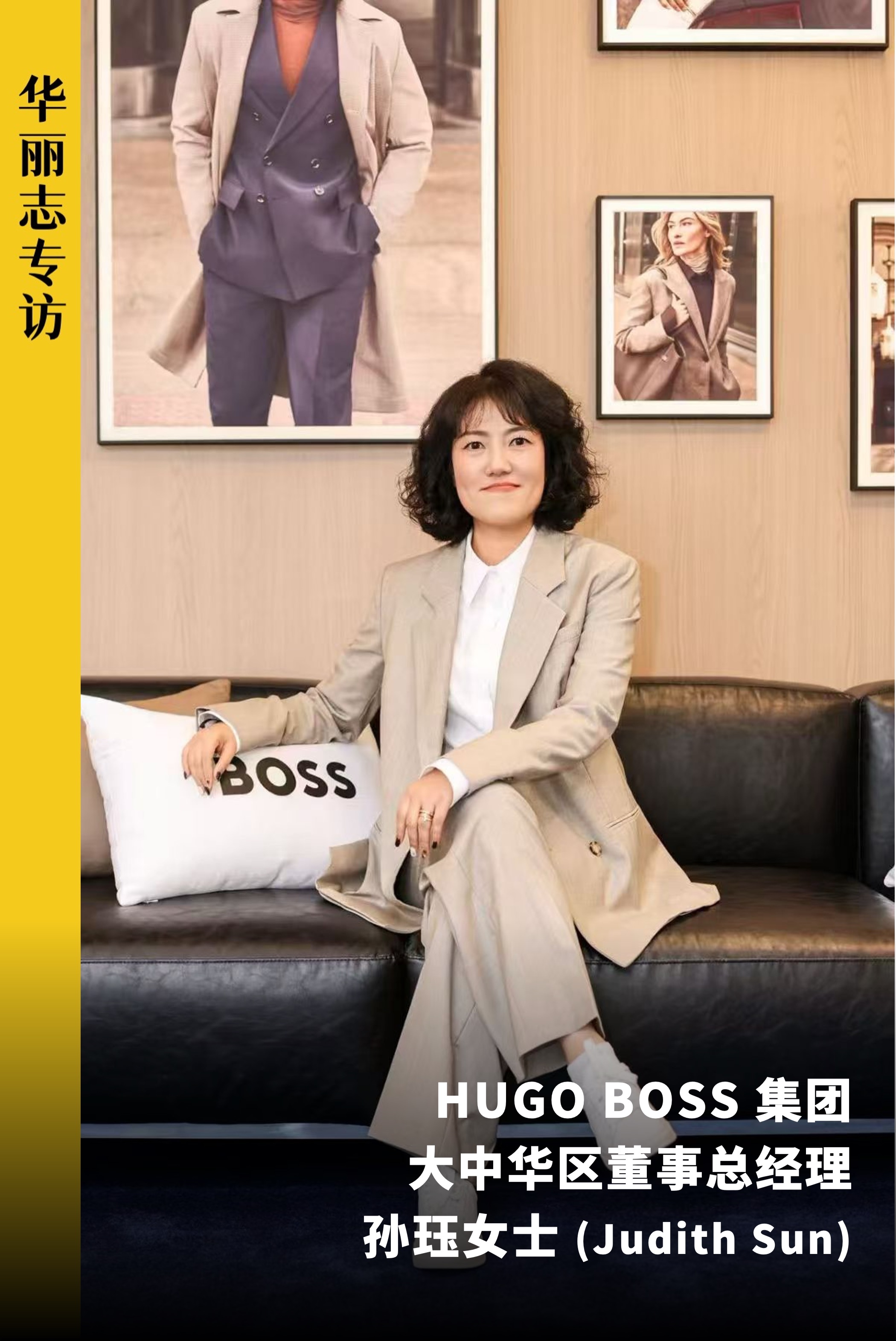
Her remarks neatly encapsulate the central challenge facing BOSS today. With more than a century of history and over 30 years in China, the classic German brand is navigating a demanding stage in its development: expanding into a 24/7 premium lifestyle brand while remaining true to tailoring, its core brand DNA.
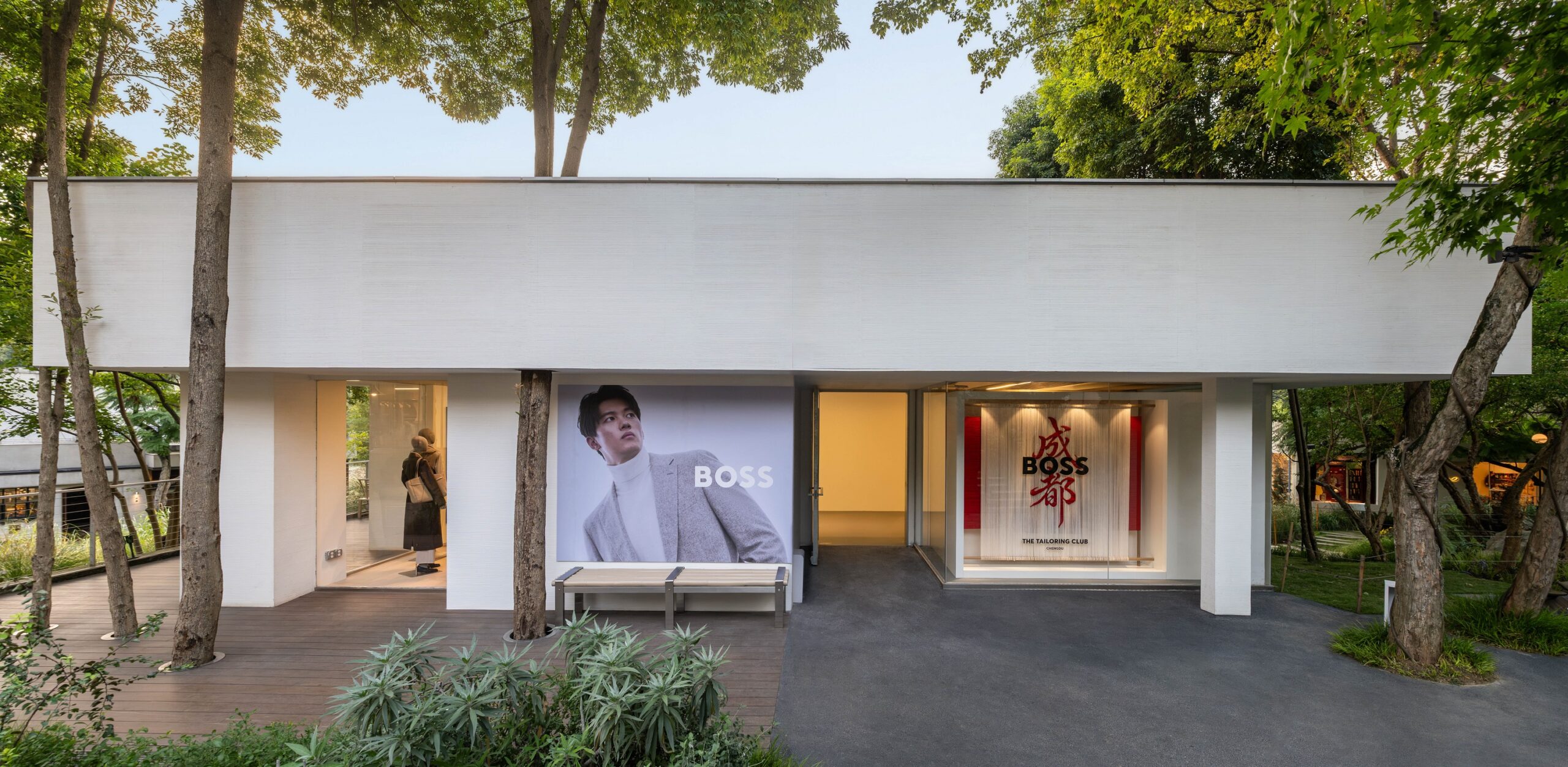
Recently, BOSS staged its “Tailored for Chengdu” suiting exhibition and pop-up space at Luxe Lakes CPI in Chengdu. The event also marked the Chinese debut of “The Tailoring Club”, the brand’s new platform for cultural and style exchange.
Why return the focus to tailoring during a strategic transformation? How can tailoring help the brand stand apart? Sun’s answer was that “People may be very familiar with the BOSS name, but they do not necessarily know what BOSS stands for.”
Moving consumers from “knowing BOSS” to “understanding BOSS” was the event’s real objective.
From Tailoring to a 24/7 Premium Lifestyle: A Product Mix That Meets Contemporary Consumer Needs
Since a new management team took over in 2022, BOSS has continued its transformation from a business formalwear brand into a 24/7 premium lifestyle brand. As Sun explained, the aim is to offer appropriate, comfortable and functional options for business, social occasions, leisure and sport.
Today, BOSS caters to consumers’ style needs through heritage tailoring, performance suiting, casualwear, denim, athleisure and accessories. According to Sun, the Performance collection combines technical fabrics and innovative details in high-performance suits; the Camel collection uses carefully selected premium fabrics and is the brand’s most elevated offering; the classic formalwear collection centres on suit tailoring and extends into high-end fashion, accounting for a substantial share of its Chinese business at around half; and the athleisure collection focuses on tennis, golf and urban outdoor clothing.
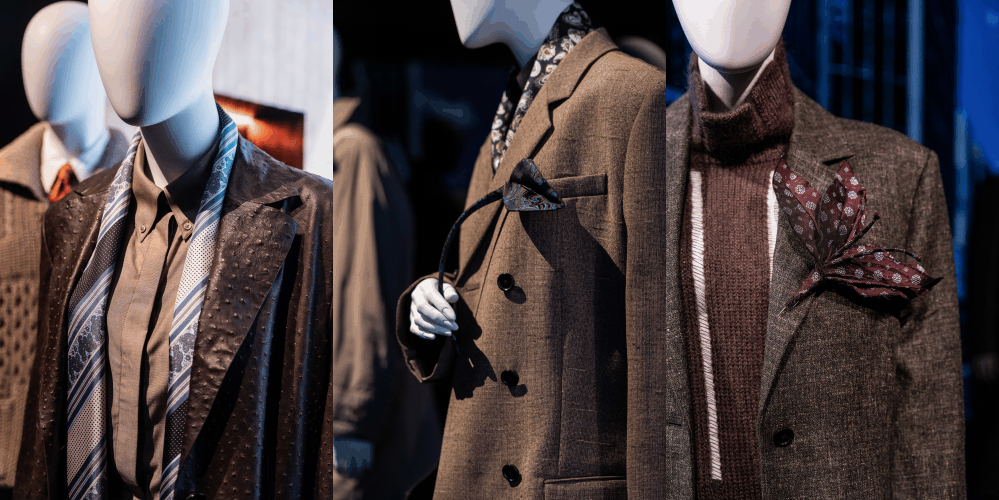
These product lines do not exist in isolation. All are rooted in tailoring and serve a broader range of everyday settings. Since joining HUGO BOSS Greater China in 2021, Sun has closely observed changes in consumer profiles and habits. BOSS customers are getting younger, with notable shifts in age, professional backgrounds and generational makeup. They are increasingly difficult to define by a single profession or way of dressing.
“These consumers dress for a wider range of occasions and expect more in terms of comfort and functionality,” Sun said. At the same time, they have not relinquished their expectations of style. Traditional matching suits still have clearly defined uses, while lightweight blazers, business casualwear and functional clothing are more suited to everyday life. She summed up modern business travellers’ clothing needs as “easy to travel with and easy to care for, while still being stylish and looking sharp.”
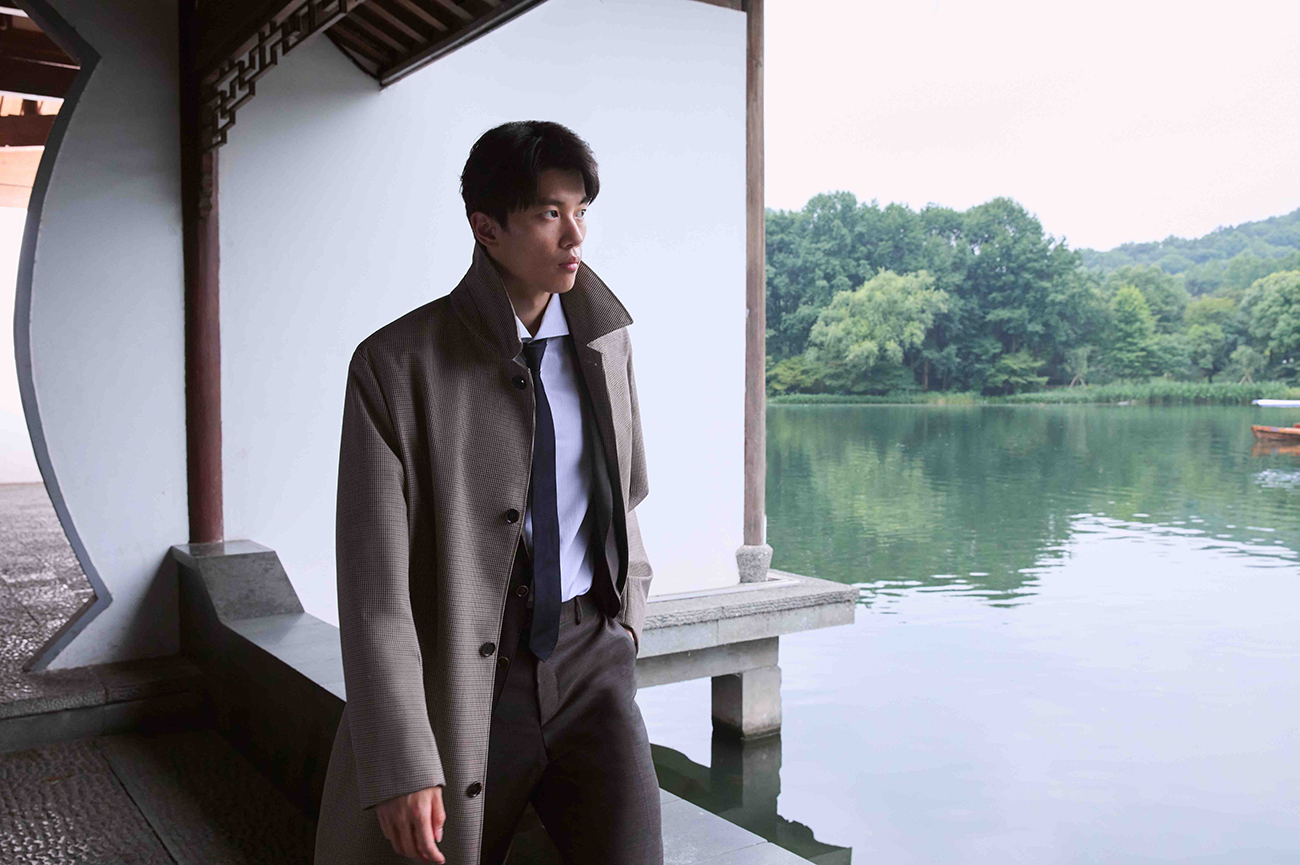
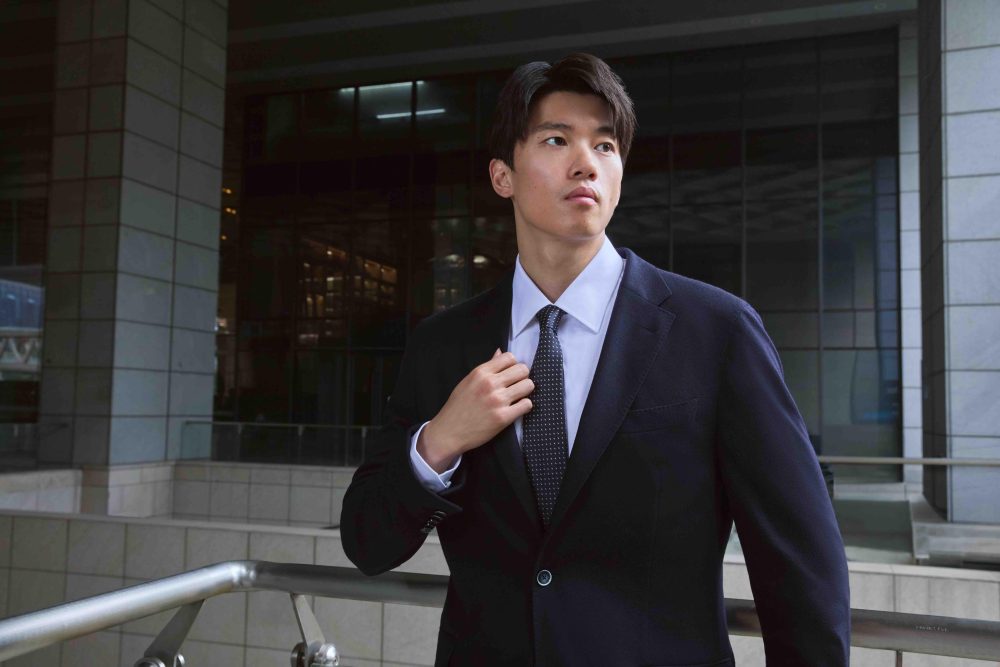
HUGO BOSS has responded to these consumer shifts by optimising its product mix. In its first-half 2026 results announcement, the group said it had reduced product complexity for the Autumn/Winter 2026 collection by a mid-single-digit percentage, with plans to reduce it by 20% by 2028. For the brand, expanding into more lifestyle occasions does not mean continually adding categories. The key is to identify more clearly which products best represent BOSS and can meet consumers’ needs across business, social occasions, leisure and sport, then help consumers find the right products through different channels and forms of communication.
“A New Chapter in Tailoring” therefore presents more than suits alone. It also seeks to show how tailoring shapes the way people dress, put outfits together and express themselves. Tailoring is both the starting point of BOSS, which has built deep consumer recognition over the years, and a firm foundation for its competitive advantage as it moves into casualwear and sporting lifestyles.
The Value of a Pop-up Event: From Brand Awareness to More Targeted Operations
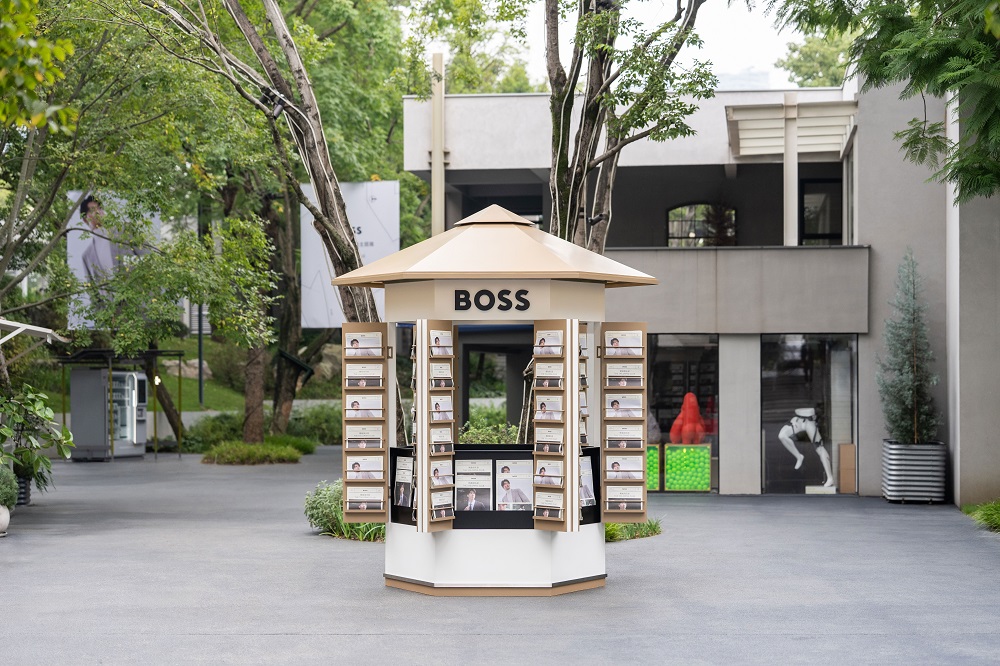
From October 15 to 25, the BOSS “Tailored for Chengdu” suiting exhibition is open to the public at Luxe Lakes CPI, an unconventional retail destination in Chengdu. Unlike traditional stores, where product displays take centre stage, the event brings tailoring craftsmanship, brand history and everyday settings into a single space, helping consumers understand how suits can evolve beyond formalwear to meet a wider range of dressing needs.
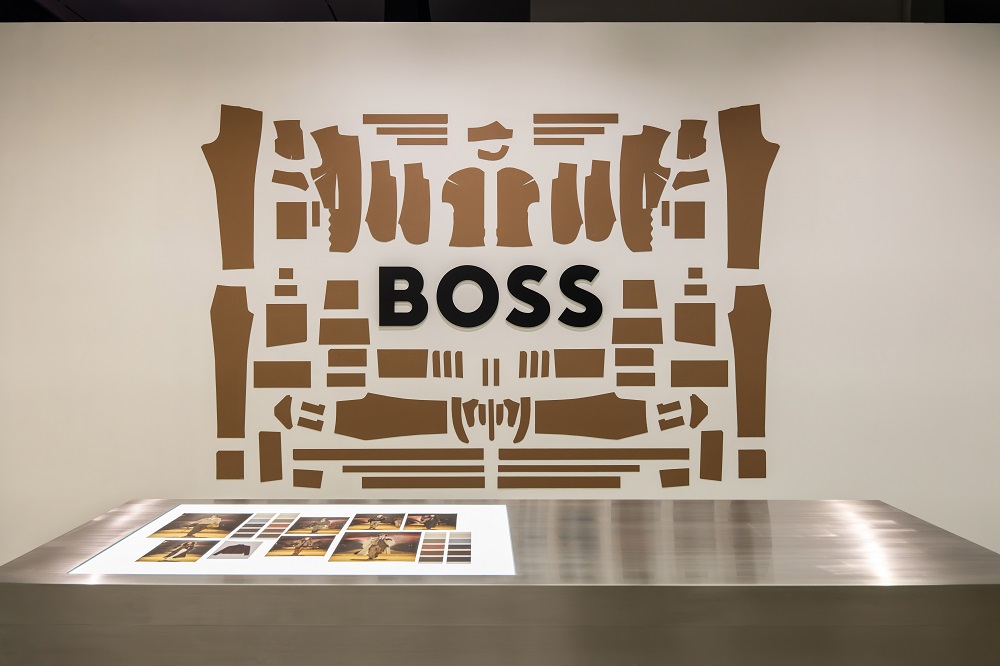
Inspired by a residential setting, the first floor showcases selected men’s and women’s tailored pieces from the BOSS Autumn/Winter 2026 collection, alongside a Chengdu-exclusive BOSS Café, the “BOSS Teahouse”. Upstairs, iconic imagery from the brand’s archives, digital presentations of craftsmanship and displays depicting different everyday settings trace a suit’s journey from design to production. The exhibition goes beyond presenting finished garments to explain the relationship between cut, craftsmanship and how clothes actually wear.
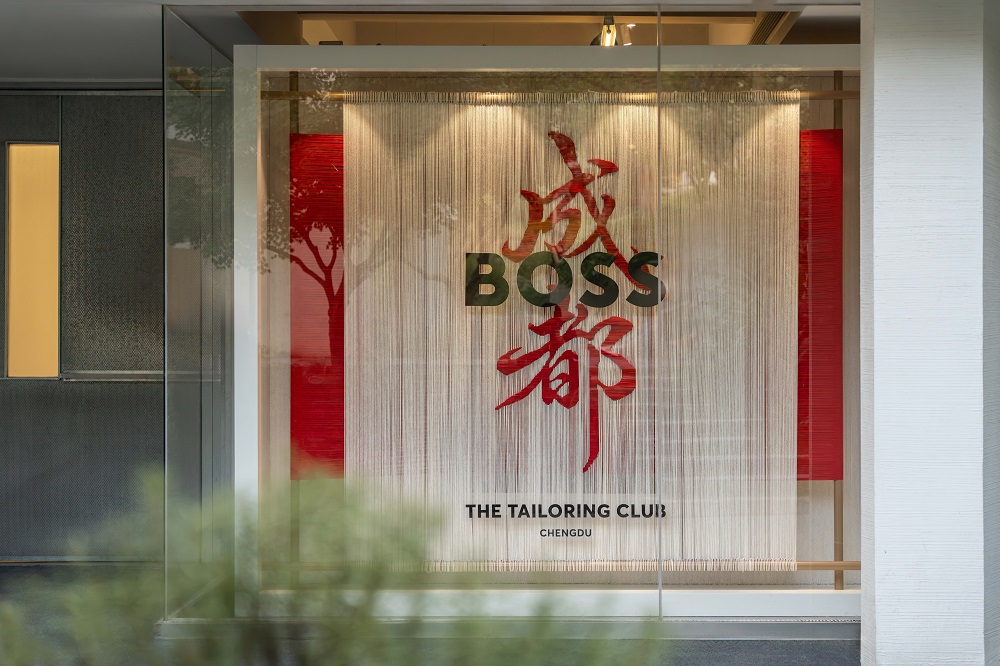
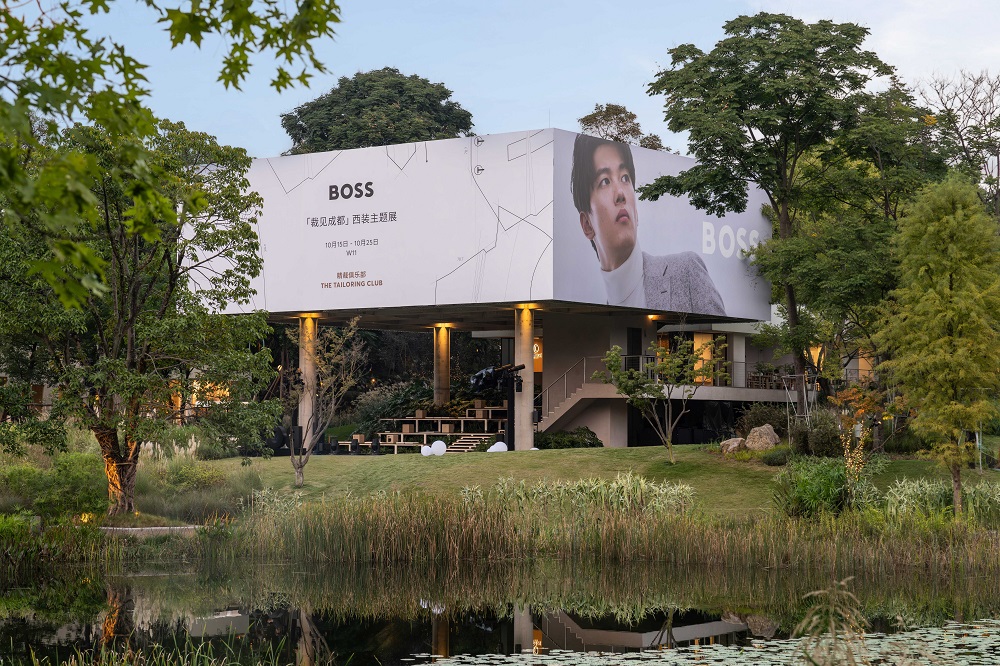
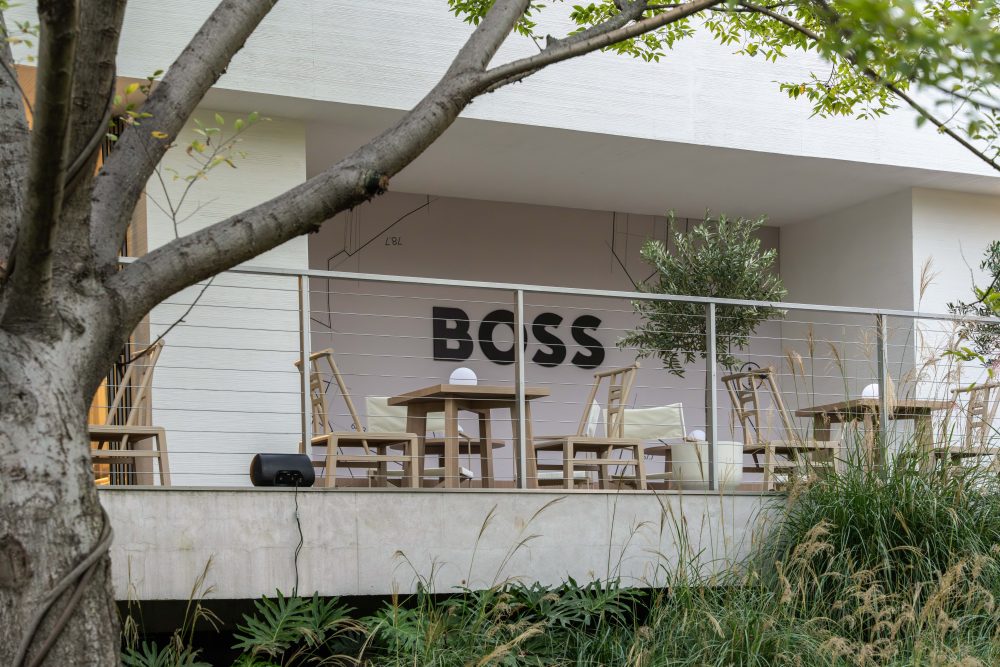
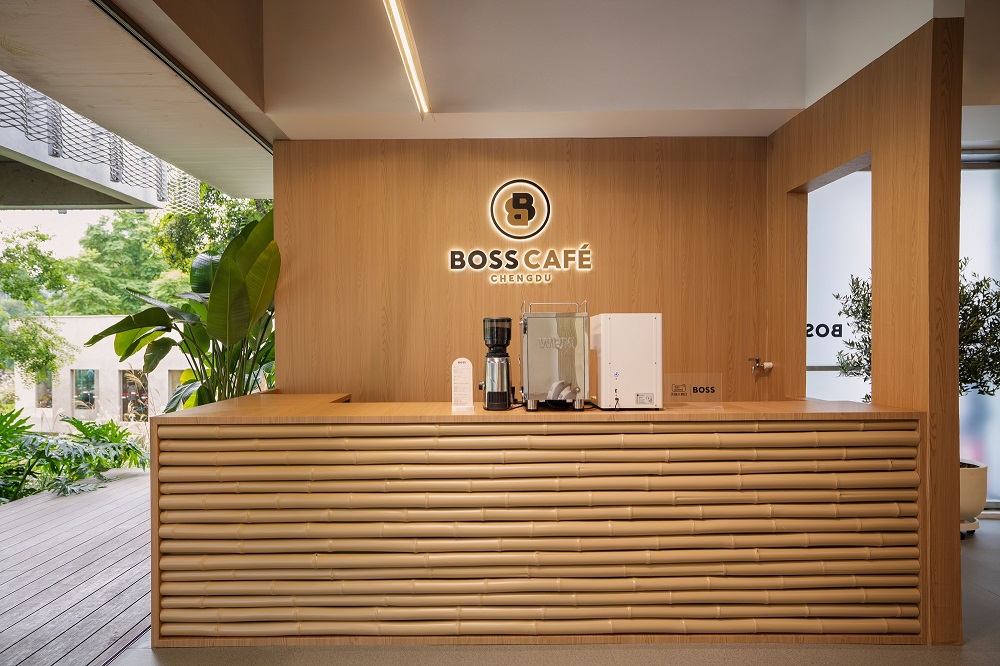
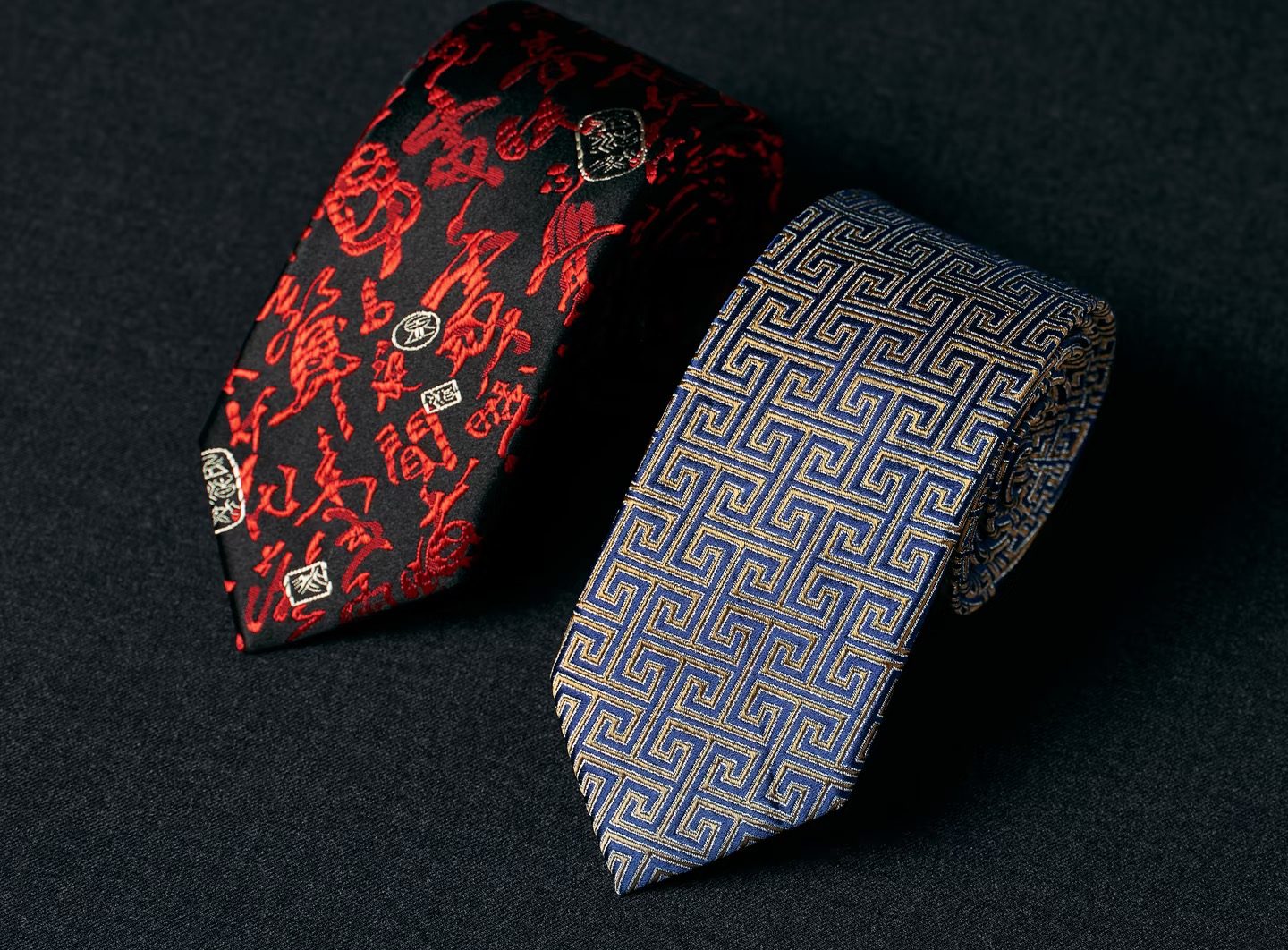
Known as the “mother of all brocades”, Shu brocade represents the pinnacle of silk-weaving craftsmanship, making it a particularly fitting expression of local culture for luxury fashion brands in Chengdu. BOSS partnered with the Chengdu Shu Brocade and Embroidery Museum, selecting two classic patterns, Huiwen brocade and Chunxiao brocade, for reinterpretations of its signature ties. The precision of suit tailoring enters into a dialogue with the intricate weaving of Shu brocade. Drawing on Chengdu’s intangible cultural heritage, the brand gives its craftsmanship theme a more tangible expression through products.
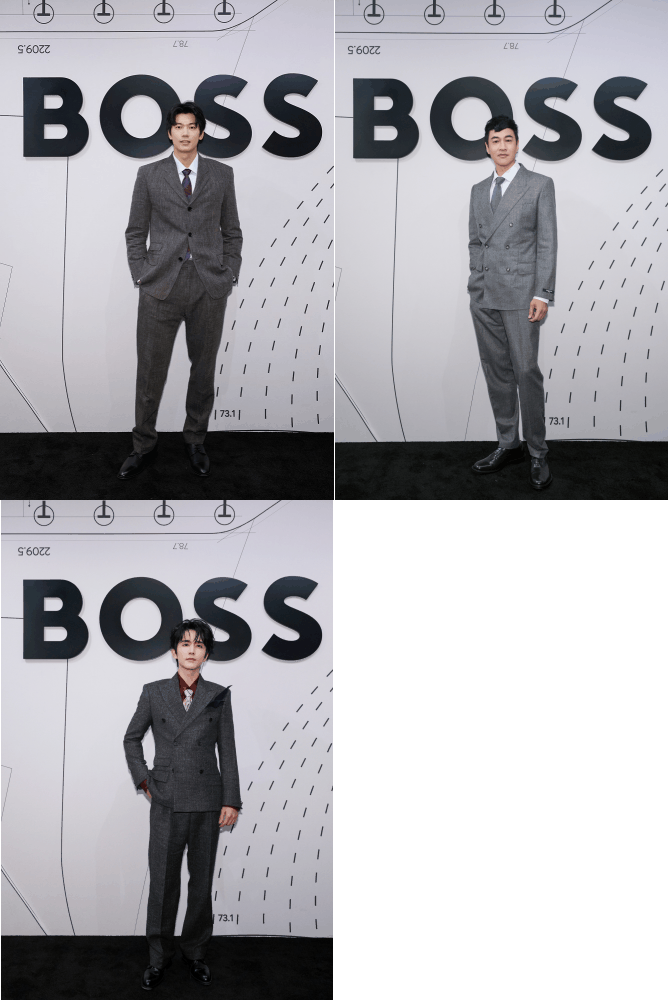
The event also explores themes including music, cycling and sartorial culture, working with different businesses at Luxe Lakes CPI to weave these experiences into Chengdu’s relaxed, comfortable atmosphere and close connection with nature. On opening day, world champion swimmer and brand ambassador Wang Shun, actor and singer Zhang Xincheng, and actor Peter Ho wore sharp suits from the BOSS Autumn/Winter 2026 collection as they travelled by boat through the Luxe Lakes waterways to the exhibition space in the pleasant autumn weather.
Sun believes that consumer preferences in Chengdu and the wider southwestern market lean towards lifestyle and leisure, while demand for business attire is more pronounced in eastern coastal markets such as Shanghai. As one of the first international luxury brands to enter China, BOSS understands the country’s vast geographical diversity. It takes a differentiated approach to developing each regional market, drawing on local insights to connect with consumers through activities that reflect a real understanding of their individual preferences.
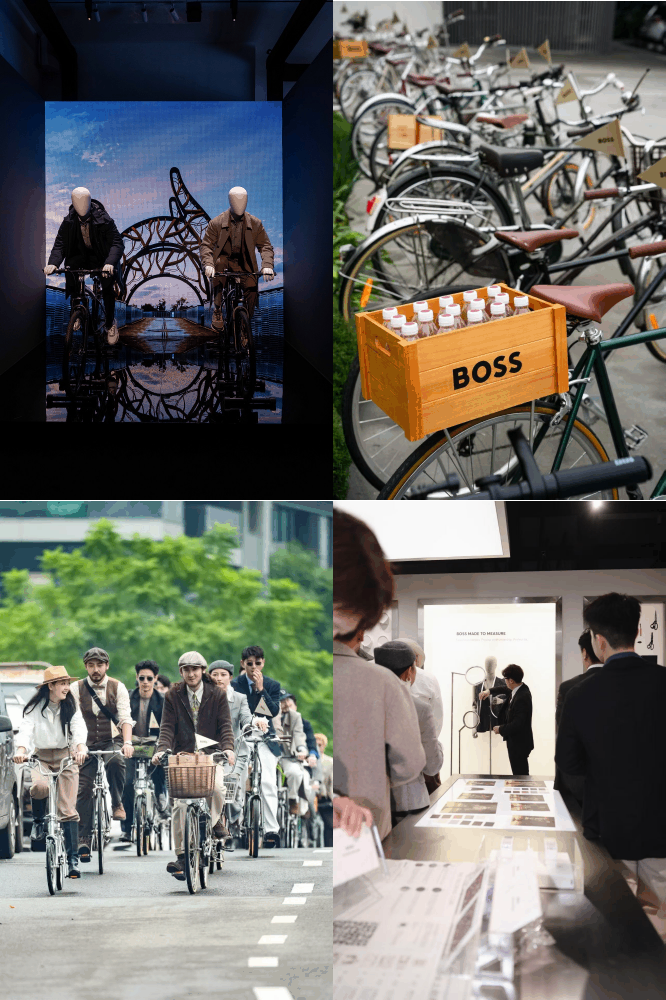
She highlighted Chengdu’s park-inspired urban development and strong cycling culture. At the exhibition, BOSS presented suits from its Performance collection in a cycling display set against one of the city’s distinctive rainbow bridges along its greenways. “Cycling in a suit challenges the preconception that suits are restrictive and formal,” Sun said. Over the past weekend, BOSS also held a sartorial cycling event with local Chengdu communities.
For a commercial event, building brand awareness and connecting with retail are equally important, mutually reinforcing objectives.
Sun explained that the pop-up offers on-site sales during the event and connects with three BOSS stores: Chengdu SKP, Chengdu MixC and the newly opened Chengdu IFS location. All three feature installations related to the suiting exhibition and present tailored suits, casualwear, sportswear and accessories from the BOSS Autumn/Winter 2026 collection. The exhibition also includes QR codes and a route linking visitor check-in points. Consumers can continue their experience at the stores after visiting the pop-up, or discover information about the event in-store, moving between and engaging with the different settings.
BOSS Store at Chengdu IFS
This arrangement gives the pop-up and permanent stores distinct roles. The former attracts attention through themed content, while the latter handles subsequent fittings, styling and sales. Chengdu IFS serves the core Chunxi Road shopping district, SKP connects with premium consumers in the south of the city, and the area around MixC brings together more young consumers and emerging lifestyle businesses. Sun said that linking multiple locations was also an attempt to reach people of different ages, professions and lifestyles.
Adjustments to the product mix, retail network and marketing efficiency must ultimately translate into stronger consumer relationships and business results. This is also a key focus of HUGO BOSS’s “CLAIM 5 TOUCHDOWN” strategy in the Chinese market.
Sun explained that the priorities in China are to realign, simplify and strengthen. Specific measures include focusing on the brand’s core strengths in modern tailoring and premium lifestyle; streamlining the product assortment, inventory, store formats and digital operations; and enhancing the customer experience across retail, e-commerce and communications.
From Tennis to a Sporting Lifestyle: What Brand Image Does BOSS Want to Build?
While changes to the product mix reflect shifts in consumers’ clothing needs, sports marketing through tennis and other activities is an important way for BOSS to extend its positioning into the lifestyle sphere.
The brand’s tennis roots date back to the 1980s, when it sponsored the Davis Cup for 15 consecutive years. In 2022, BOSS entered a long-term partnership with Italian player Matteo Berrettini and became the title sponsor of the BOSS OPEN, the ATP 250 tournament in Stuttgart. It later signed American player Taylor Fritz, continuing to extend its connection with tennis from the court to life beyond it.
Notably, BOSS will become the Official Lifestyle Outfitter of the Australian Open from 2027, providing clothing for tournament staff, officials and ballkids, among others. It also plans to expand the partnership through on-site experiences, co-branded merchandise and off-court collections. In China, the BOSS X AO capsule collection arrived at selected boutiques and e-commerce channels in late September 2026.
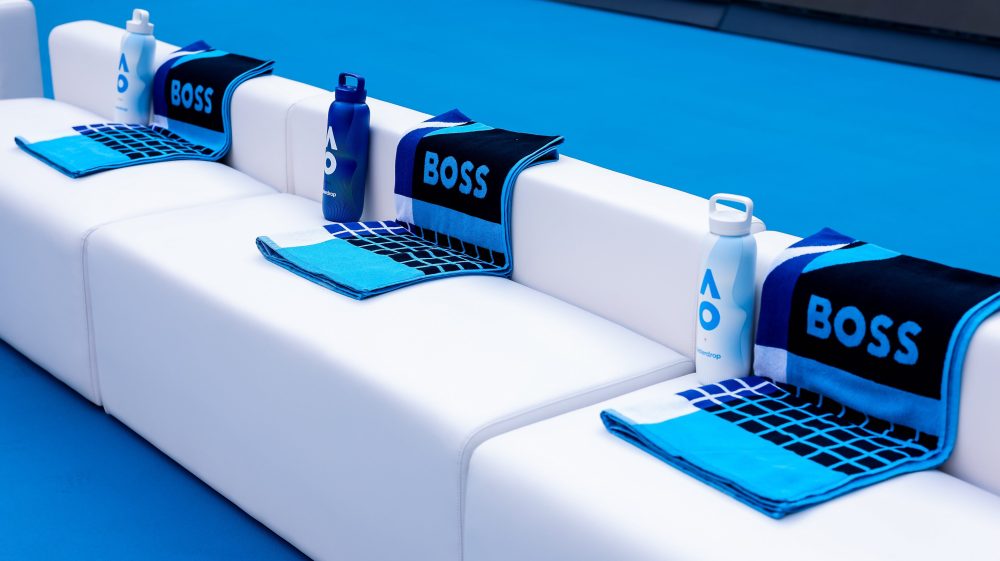
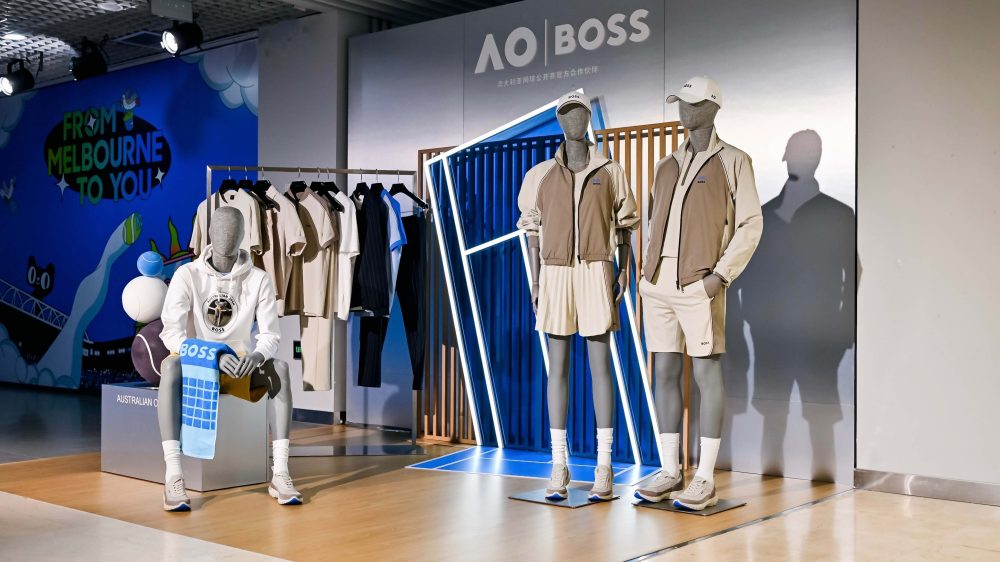
At the grassroots level, the Australian Open’s “One Point Slam” made its Chinese debut in October 2026, with BOSS as the official sponsor of the China series. Qualifying events are being held in Hangzhou, Beijing, Shanghai, Shenzhen and Chengdu, with the winner of the China series travelling to Melbourne. Sun particularly emphasised the Australian Open’s “Happy Slam” spirit, describing the aim as “inviting fans to join in and making it easier to participate.”
This approach echoes observations from the Luxe.CO Sports and Outdoor Brand Vitality Ranking. Sporting events give brands a direct window into understanding and reaching people who actively participate in sports and outdoor activities. As participation grows, brand competition will gradually shift from securing event exposure to identifying more specific consumer communities and engaging with them in more targeted ways.
Through its products, BOSS connects tennis with its positioning as a 24/7 premium lifestyle brand. Sun explained that tennis-related products currently sit within the athleisure collection, with different options for on-court and off-court wear. On-court products focus on sporting functionality, while off-court pieces emphasise everyday wear and personal style. Tennis provides more than a marketing setting for the brand: it also creates more specific uses for athleisure, functional clothing and everyday outfits.
Discussing her understanding of tennis, Sun said, “Tennis represents a premium sporting lifestyle, underpinned by a pursuit of personal development, healthy recreation, social connection and quality of life. This aligns with the BOSS brand’s ‘Be Your Own BOSS’ ethos and positive outlook.”
The Next Growth Opportunities in China: Bringing Consumers Along on the BOSS Journey
In an increasingly competitive and fragmented market, the recognition BOSS has built over time for its heritage, craftsmanship, quality and style remains a strong foundation for the century-old brand in China.
Looking ahead to the next five years, Sun told Luxe.CO that the brand’s development in China would continue to centre on two core areas: “modern tailoring” and “premium lifestyle”. She stressed that future growth opportunities should not be understood narrowly as sportswear, but as business, social, sporting and leisure categories inspired by sporting style. Beyond clothing, footwear and accessories will also be important avenues for growth.
For BOSS, the next challenge is to make its core identity clearer as it broadens its lifestyle offering. The brand is addressing not only which additional occasions it can serve, but also why consumers should choose BOSS. Renewing its emphasis on tailoring turns established strengths into product value that contemporary consumers can understand, experience and want to choose. Ultimately, the aim is for consumers to understand what BOSS stands for, connect with it and continue on the journey with the brand.
| Image Credit: BOSS
| Editor: Xiaoyue