Fragrance consumption is evolving beyond scent preferences alone, becoming a means of personal expression, emotional connection and everyday lifestyle experiences. From perfumes and body care to creating an inviting atmosphere at home, consumers are no longer concerned solely with how a fragrance smells, but also with how it fits into their lives.
According to the latest report from Circana, nearly one-third of respondents use fragrance daily, while almost 40% practise self-care at home through sensory experiences such as aromatherapy and ambient lighting.
This shift is creating new opportunities for fragrance brands that emphasise culture, emotion and sensory experiences. International luxury fragrance and wellness brand PAÑPURI, founded in 2003, offers a compelling example. In 2024, the brand generated sales of more than RMB 200 million (approximately USD 30 million), representing year-on-year growth of 92%. Its online sales also surged 85% during the year.
Since August this year, PAÑPURI has opened three sensorial boutiques in Shanghai, at HKRI Taikoo Hui, Taikoo Li Qiantan and Jing An Kerry Centre, accelerating its expansion in the Chinese Mainland. From its products to its retail spaces, the brand has consistently explored the concept of Eastern wisdom of holistic wellness (HOLISTIC APPROACH TO WELLNESS). How can fragrance become part of everyday rituals? And how can a cultural experience rooted in Eastern traditions be translated into brand values that consumers across different global markets can understand and appreciate?
Building a Distinctive Brand Identity Rooted in Eastern Wellness Wisdom
PAÑPURI’s brand story begins with a childhood memory of its founder, Vorravit Siripark.
As a boy, he watched his grandmother immerse fresh jasmine petals in a clay jar filled with rainwater, allowing their fragrance to infuse the water slowly. This simple daily ritual left a lasting impression on him, shaping his connection with scent, nature and tranquillity. Years later, after studying and living abroad, Vorravit returned to Bangkok, where he rediscovered his inner balance through Eastern wellness wisdom and founded PAÑPURI in 2003.
The name PAÑPURI derives from the ancient languages of Pali and Sanskrit: Pañña means wisdom, while Puri symbolises purity. These two guiding principles also explain why PAÑPURI has always emphasised the connection between body, mind and spirit. For the brand, fragrance is more than an external adornment; it is a way of attending to one’s own feelings and wellbeing.
This philosophy is first reflected in the brand’s approach to fragrance creation. Every PAÑPURI scent begins with memories, natural landscapes and emotional experiences, rather than simply following popular fragrance trends.
The brand’s first fragrance, SIAMESE WATER, was inspired by the story of Vorravit’s grandmother and her jasmine petals. Mint provides a refreshing opening, followed by the delicate floral notes of jasmine and a warm sandalwood base. More than a product, the fragrance represents one of the brand’s most profound connections to personal memories and Eastern cultural traditions.
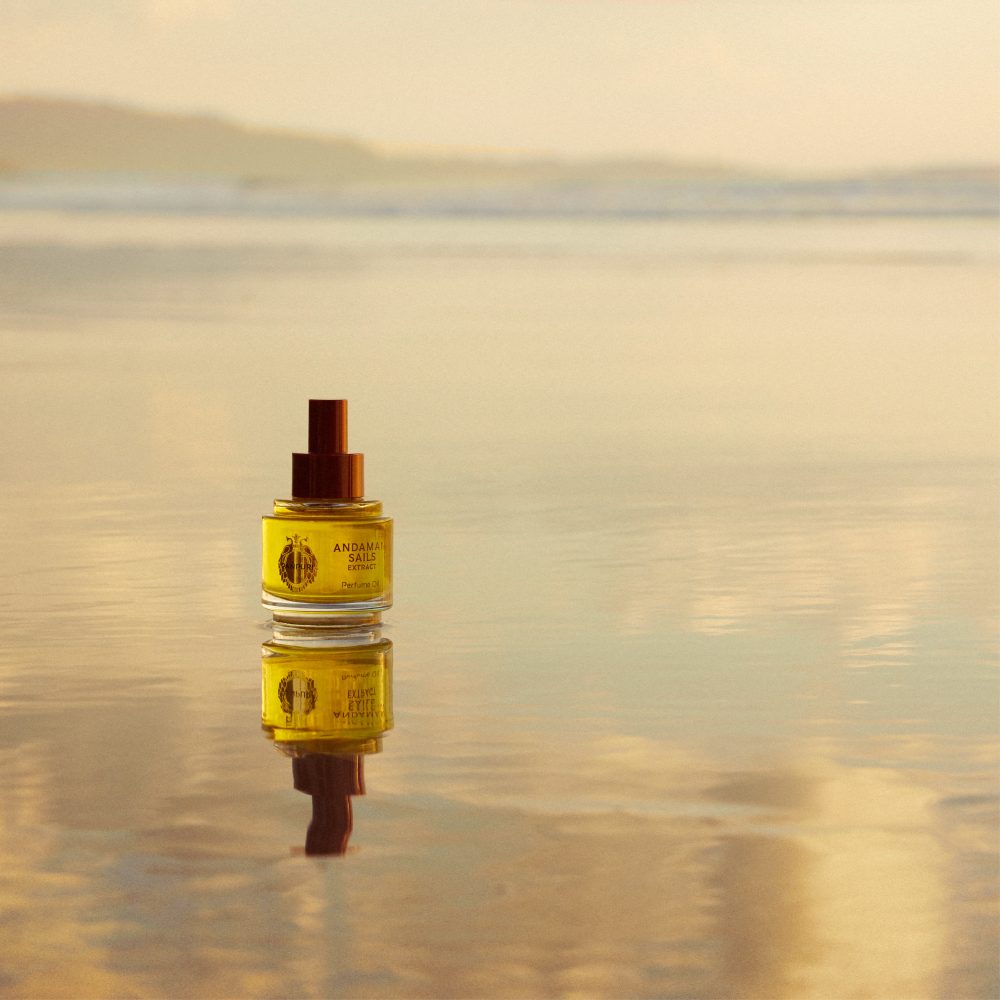
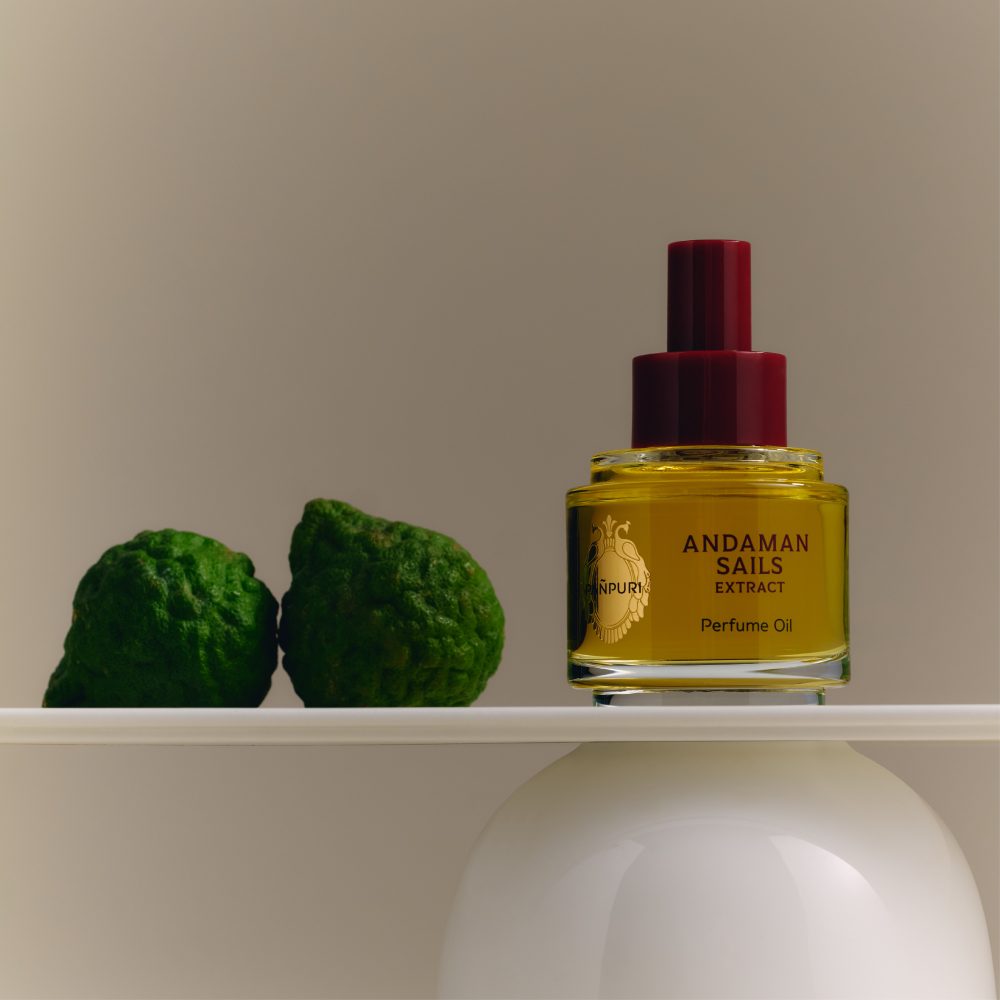
Another signature creation, ANDAMAN SAILS, captures Vorravit’s experience of sailing across the Andaman Sea in 1994, using bergamot and green tea to evoke the vast blue coastline. SACRED SANTAL, meanwhile, draws inspiration from Asian temple culture and meditation traditions, combining sandalwood, orris root, cedarwood and other woody ingredients to evoke a deeper, more contemplative journey.
PAÑPURI applies the same philosophy to its formulations and craftsmanship. According to the brand’s official materials, it draws inspiration from the Palm Leaf Manuscripts, a 17th-century Siamese pharmacopoeia, combining ancient botanical oil extraction and flower-processing techniques with modern perfumery. The brand also adheres to its ZeroList ingredient-screening standards, excluding more than 7,000 ingredients of concern.
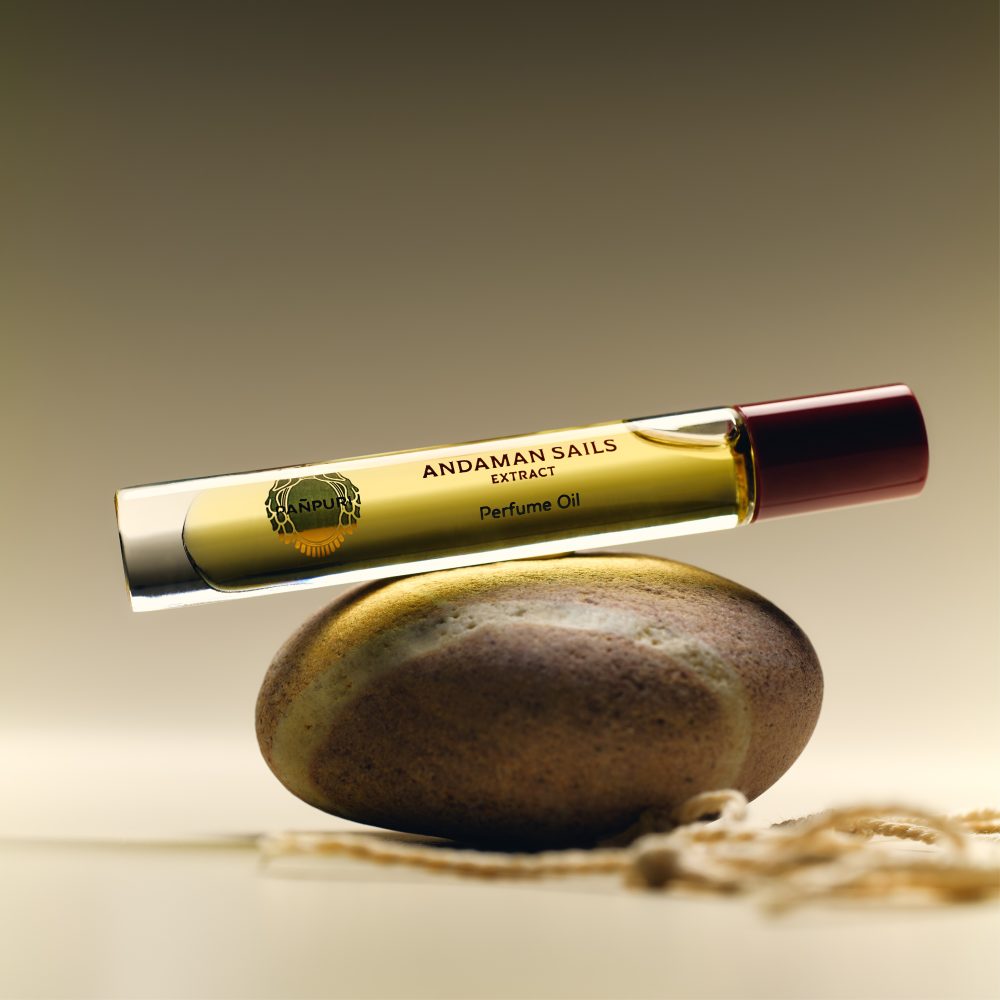
EXTRACT Perfume Oil is one of the brand’s most distinctive products. Formulated with certified organic moringa seed oil as its base, it is alcohol-free and contains a fragrance concentration of 25% to 30%. Applied to the wrists and behind the ears, the perfume oil offers a longer-lasting scent and a closer connection to the skin than traditional perfumes.
PAÑPURI has also sought to integrate emotional experiences more deeply into product development. Its wellness fragrance collection comprises three scents: THE FIRST, KINDRED and INTENTION, designed to evoke feelings of grounding, comfort and calm, respectively. According to the brand’s official website, the collection was developed in collaboration with a neuropsychiatrist and clinical researcher, drawing on the Olfactory Stimulation Therapy and Memory Reconstruction (OSTMR) method to explore the connections between scent, mood, memory and emotional awareness.
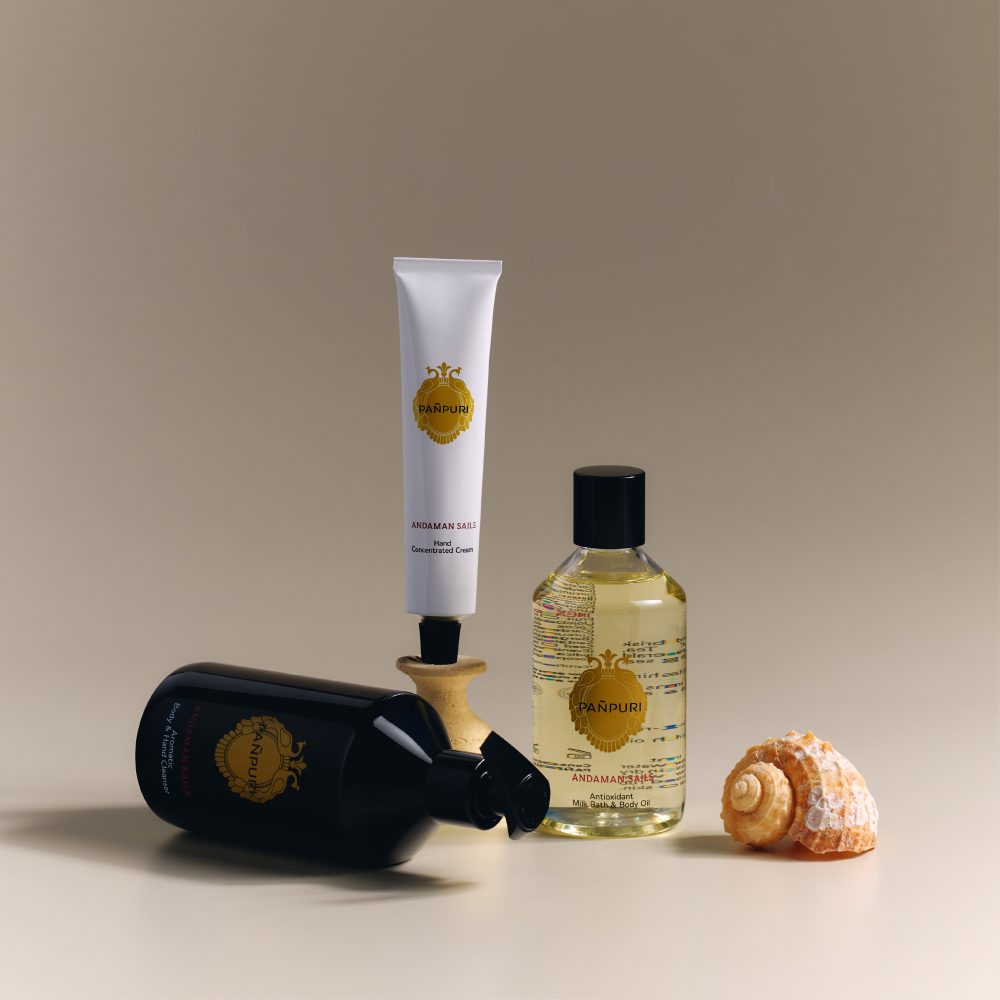
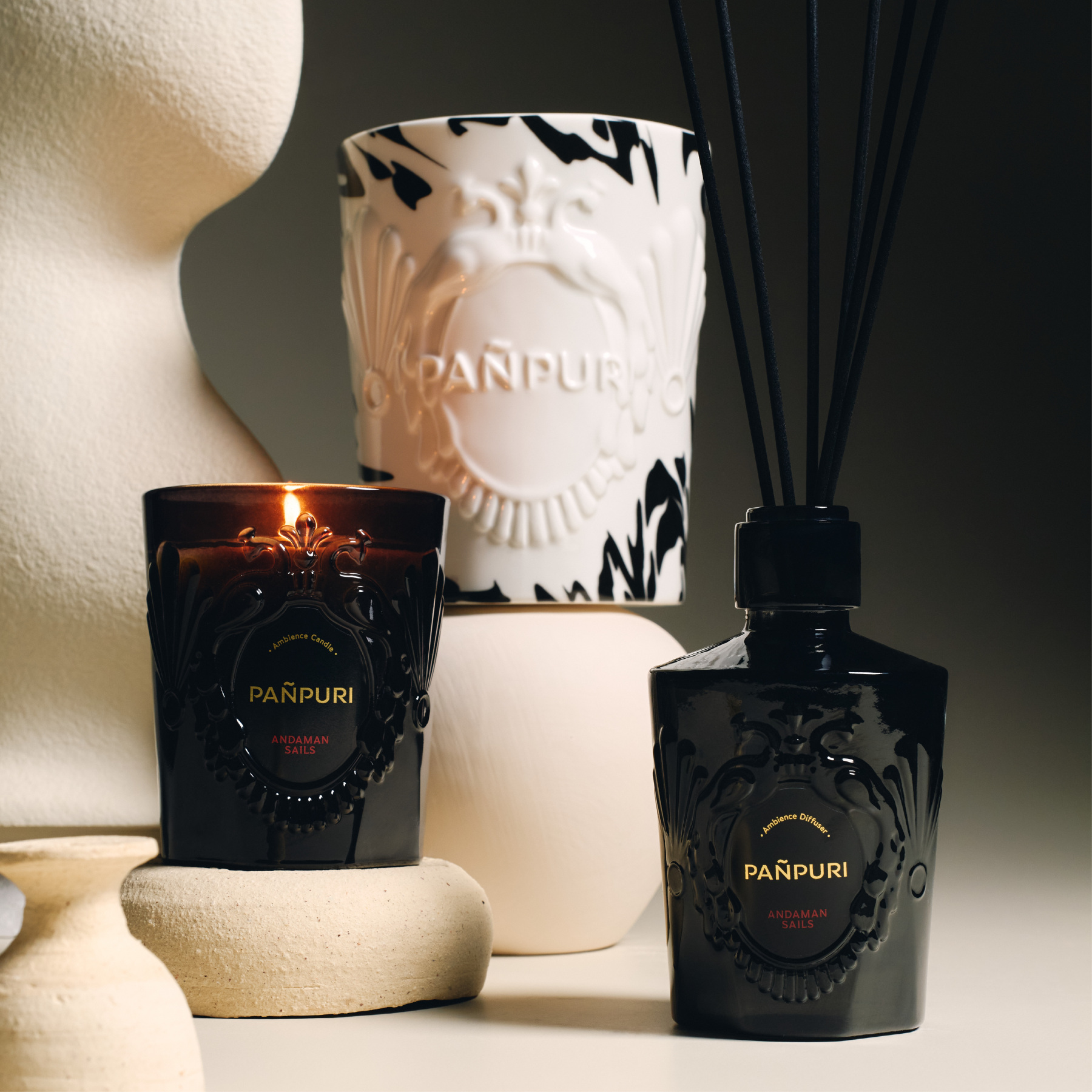
From perfume oils and body massage oils to scented candles, reed diffusers and fragrance sachets, PAÑPURI has gradually expanded its product portfolio into body care and home fragrance. Fragrance is no longer simply the finishing touch before leaving home; it can also accompany moments of bathing, massage, relaxation and everyday life.
Emotional Wellness Emerges as a New Narrative for Prestige Fragrance
PAÑPURI’s holistic approach to wellness reflects several shifts taking place across the fragrance and beauty and personal care markets.
First, fragrance is becoming one of the faster-growing categories in the global beauty and personal care market. According to Euromonitor, the global fragrance category is expected to grow by 4.9% in 2026, making it one of the standout beauty categories. In China, fragrance retail sales reached RMB 16.21 billion (approximately USD 2.43 billion) in 2025, up 9% year-on-year. Beyond market growth, the appeal of prestige fragrances is no longer derived solely from the scents themselves. Consumers are increasingly willing to pay for compelling brand stories, product design, sensory experiences and a sense of ritual in everyday life.
Second, consumers’ expectations of fragrance are expanding beyond scent as a form of self-expression to encompass emotional experiences. Mintel’s 2025 Fragrance Trends report found that more than half of Chinese consumers seek emotional wellness benefits from fragrance. Scent is therefore becoming not only an outward expression of personal identity, but also a form of everyday self-care.
For brands, this means that the dimensions of competition are broadening. Beyond fragrance composition and ingredients, they must also consider how their products make consumers feel and how they fit into everyday life.
This shift also creates new opportunities to express holistic wellness philosophies rooted in Eastern culture. PAÑPURI seeks to position fragrance within a more comprehensive approach to physical and emotional wellbeing, focusing not only on skin health but also on the balance between body, mind and inner self. The brand also connects at-home care with SPA experiences, making fragrance an integral part of both daily routines and professional wellness treatments.
From a market perspective, the value of Eastern wellness aesthetics lies in offering prestige fragrance brands a narrative that goes beyond fragrance notes, rare ingredients or fashion trends. Eastern holistic wellness philosophies, botanical oil extraction techniques and SPA culture allow fragrance to evolve from a standalone product into a more comprehensive lifestyle experience.
One Store, One Design: How Boutiques Become “Sensory Sanctuaries”
If PAÑPURI’s products introduce consumers to its culture and fragrances, its boutiques take the experience a step further, transforming the brand’s philosophy into something consumers can engage with firsthand.
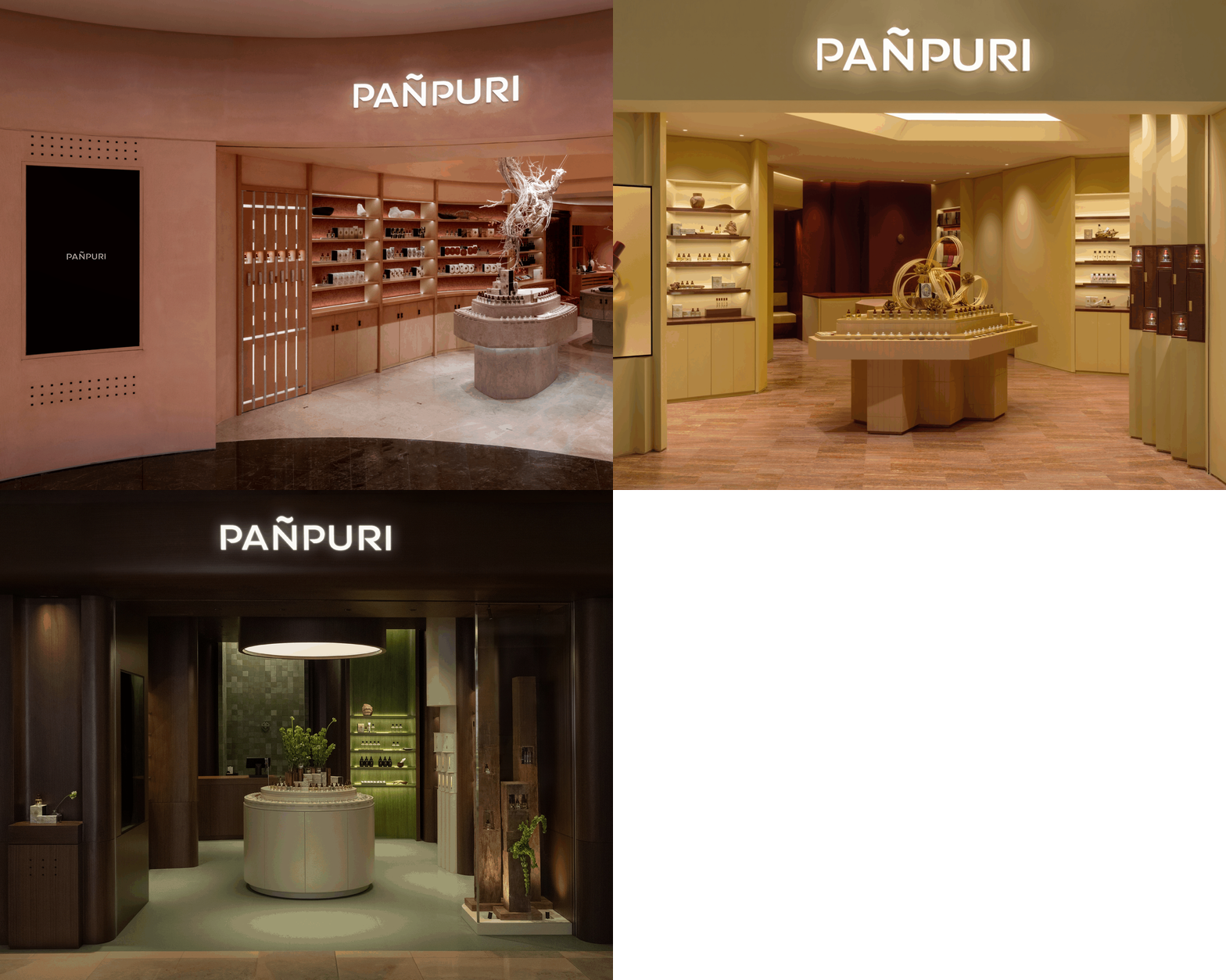
PAÑPURI follows a “one store, one design” philosophy across different cities, rather than treating its boutiques as standardised retail outlets. By incorporating local architecture and cultural contexts into its spatial designs, the brand aims to create distinctive sensory experiences. Its three Shanghai sensorial boutiques share a common inspiration, “Quiet Architecture”, exploring three architectural elements – floors, walls and columns – to create three distinct spatial expressions.
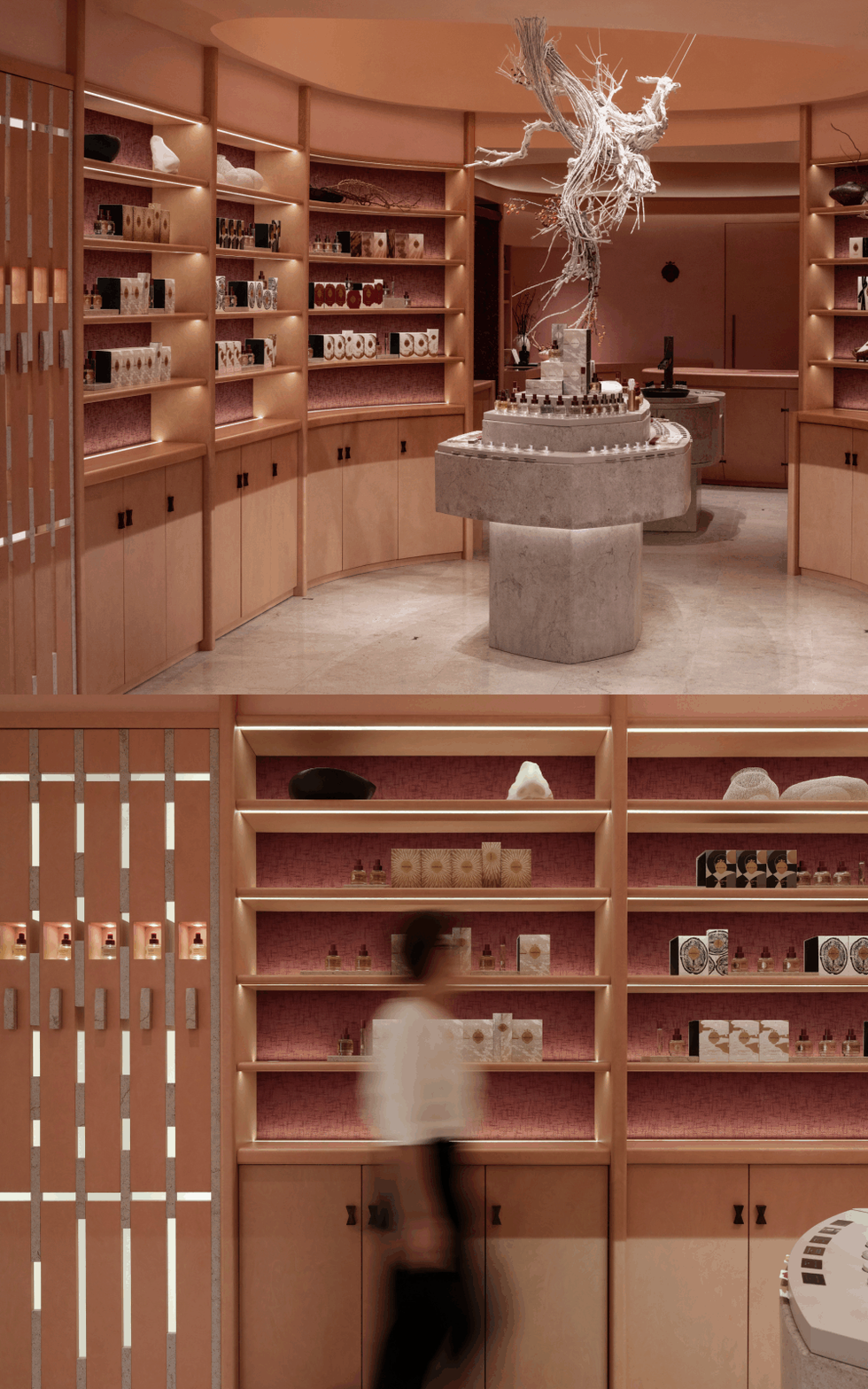
The first sensorial boutique at HKRI Taikoo Hui adopts the theme “Grounded Stillness”, with a design that emphasises flooring and the texture of stone. Display shelves, island counters and structural elements appear to emerge from a single stone foundation, while mineral-textured surfaces, handcrafted details and gently curved lines establish the character of the space. A central fragrance discovery counter and a separate consultation area allow consumers to explore scents at their own pace.
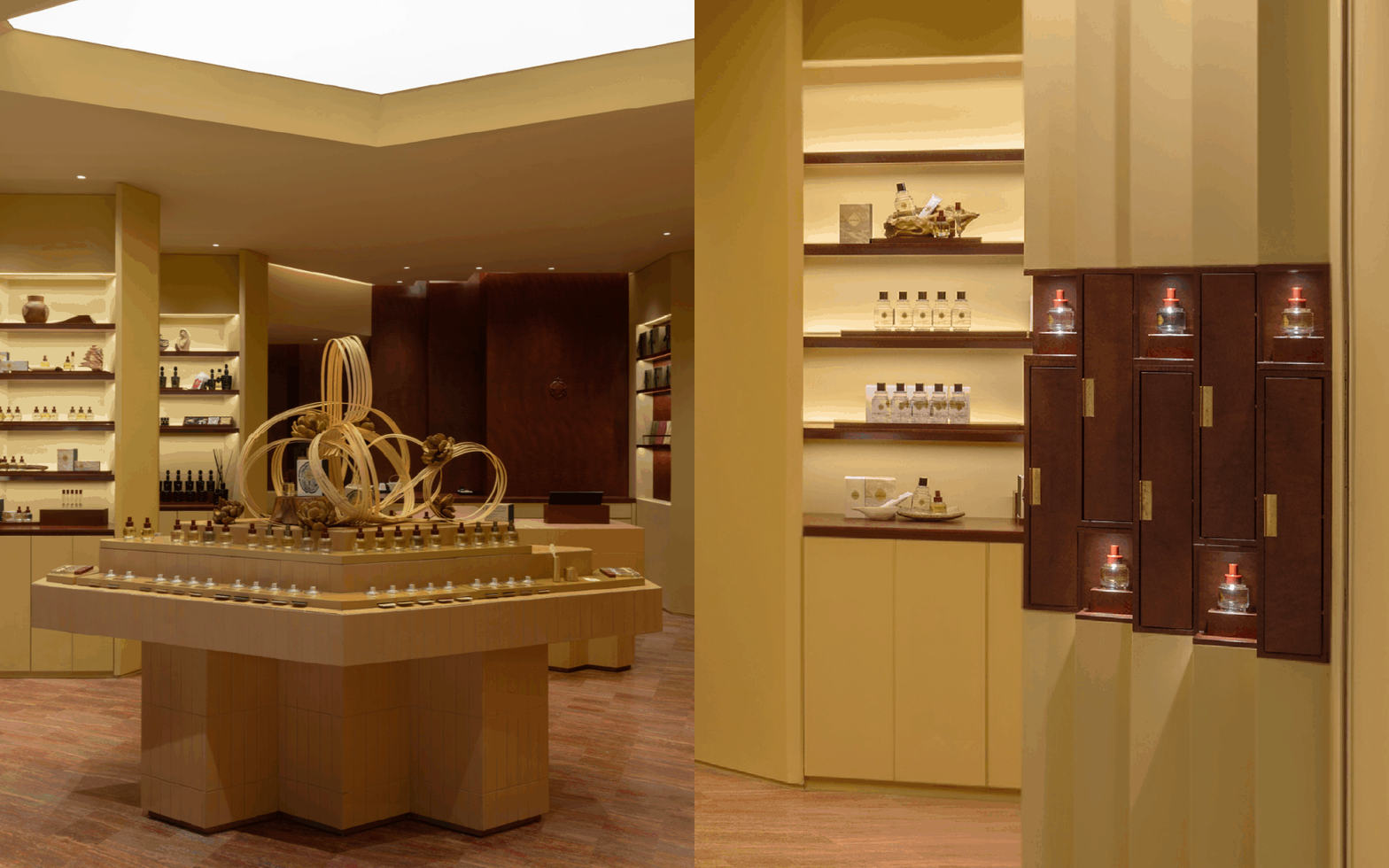
The sensorial boutique at Taikoo Li Qiantan embraces the theme “Layered Quiet”, using architectural facades and spatial depth to shape the sensory experience. Recessed wall niches, layered lines and subtle changes in lighting create a more intimate setting for fragrance discovery.
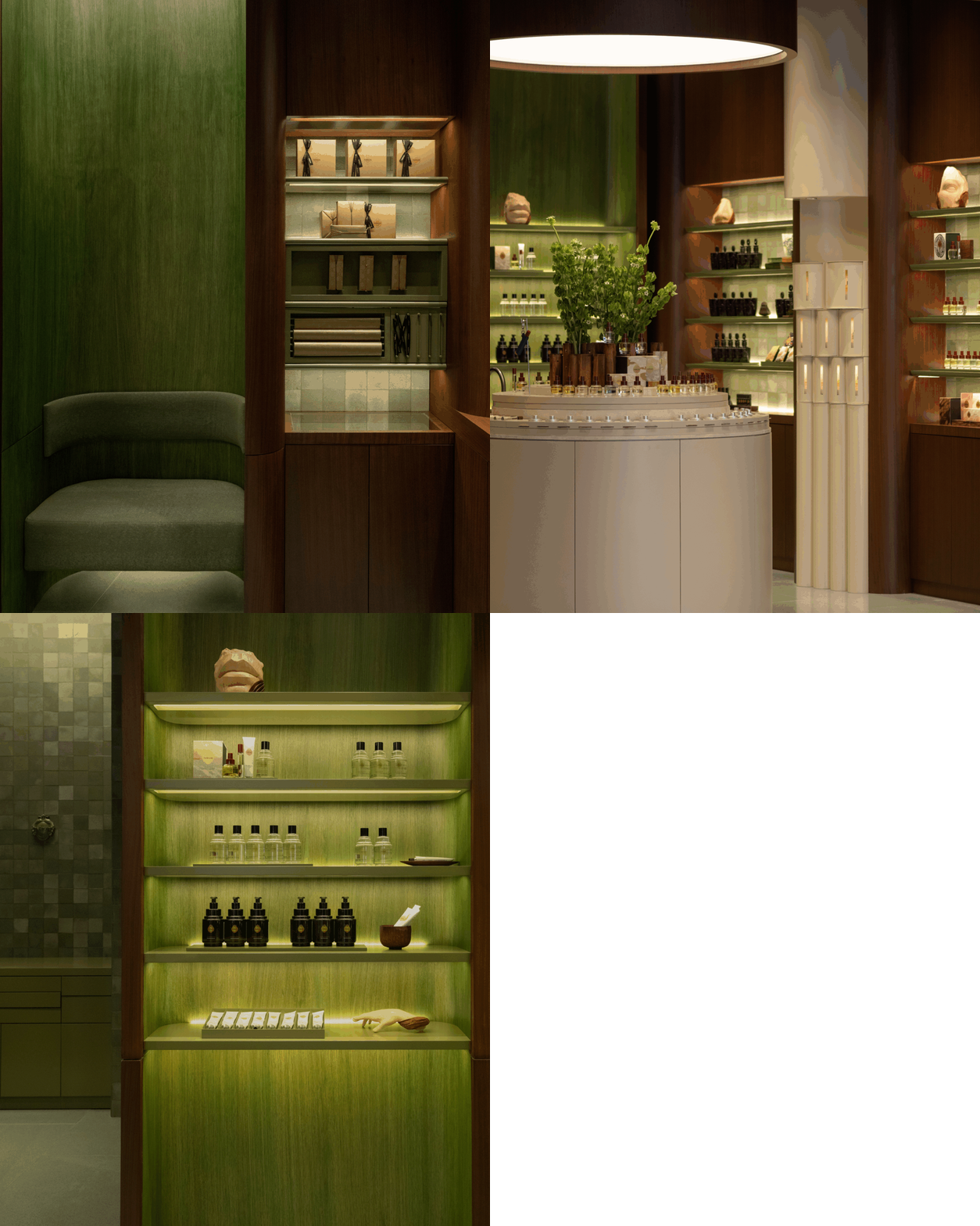
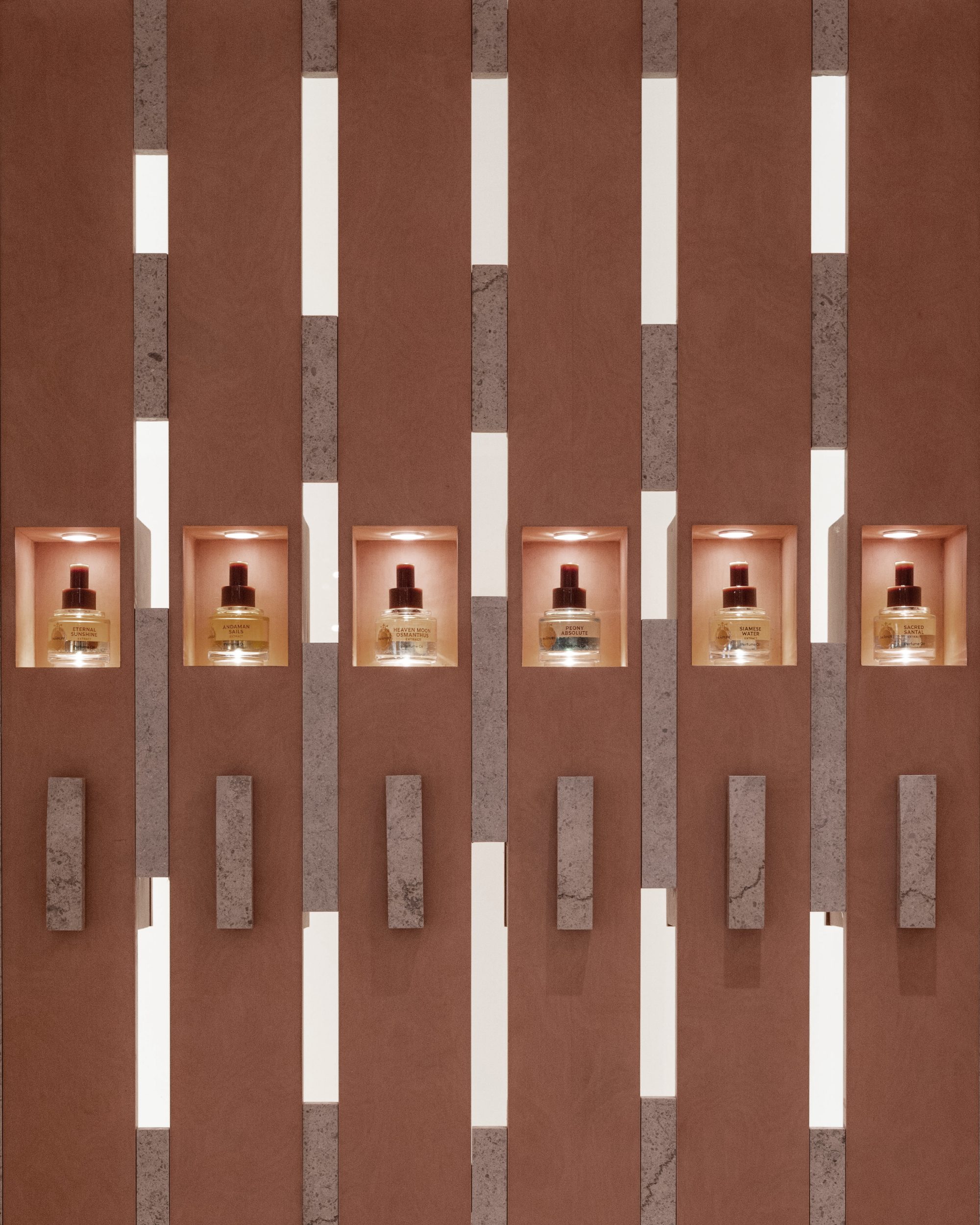
The latest sensorial boutique, unveiled at Jing An Kerry Centre, adopts the theme “Vertical Rhythm”, drawing attention to its columns. Inspired by the framed views, pavilions and open spaces of classical Chinese gardens, the store features warm reddish-brown columns arranged rhythmically throughout the interior. Replacing conventional solid partitions, these columns gently delineate different areas. Dark oak, green terrazzo and travertine are interwoven throughout the space, while diffused lighting gradually reveals the textures of the materials, creating an atmosphere that balances architectural order with a sense of ease.
Rather than representing three unrelated design concepts, the boutiques form a continuous exploration of “Quiet Architecture”: from establishing a spatial foundation through the floor, to creating depth through walls, and finally using columns to guide sightlines and movement. These different architectural approaches ultimately serve the same purpose: to offer consumers a relatively tranquil sensory experience within bustling urban commercial environments.
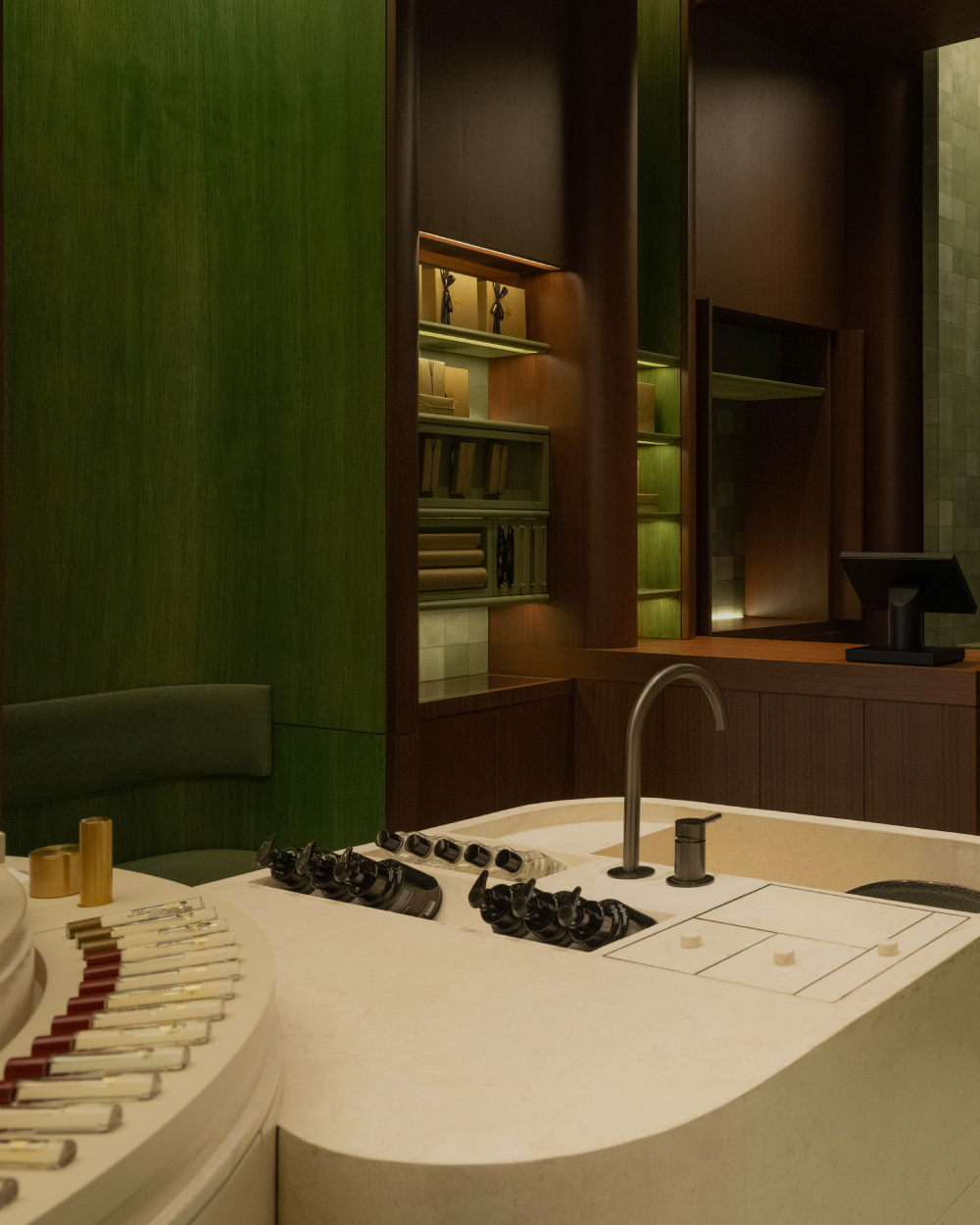
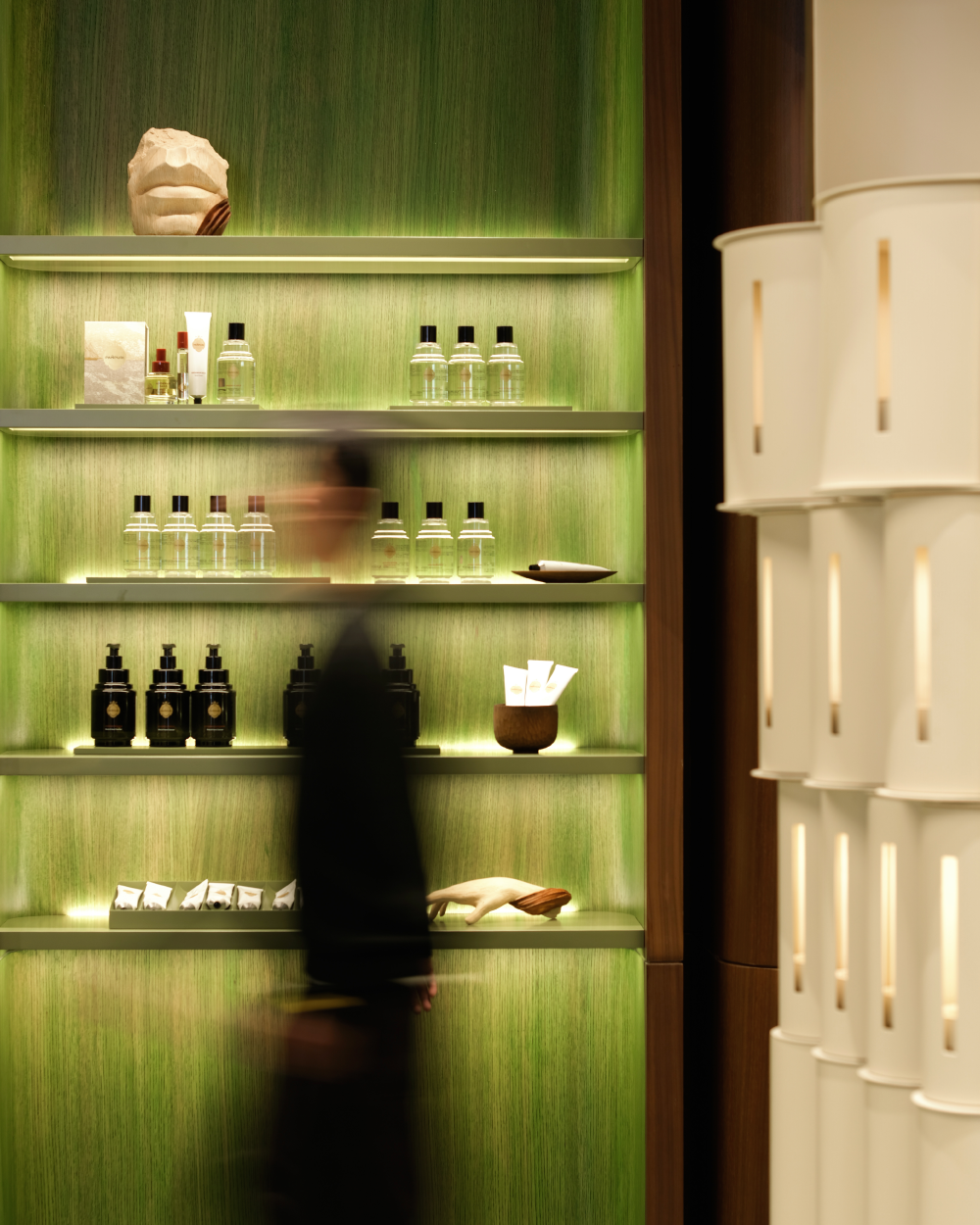
Beyond spatial design, PAÑPURI brings its brand story to life through product displays and personalised services. All three boutiques feature fragrance discovery counters, ritual sinks and sensor-activated fragrance-testing devices. Consumers can discover their preferred scents through conversations with in-store “fragrance alchemists”, learning about different fragrance ingredients and the stories behind the products. At the ritual sinks, they can also experience firsthand how body care products and fragrances complement one another in everyday routines.
This experiential approach builds on PAÑPURI’s established SPA business. The brand currently operates SPA and wellness spaces at locations including Gaysorn Tower and Park Hyatt Bangkok in Bangkok, as well as Andaz Pattaya, integrating body massages, bathing rituals and fragrance products. Looking ahead, the brand also hopes to explore partnerships with hotel spas in China, extending product experiences beyond its boutiques into more comprehensive wellness settings.
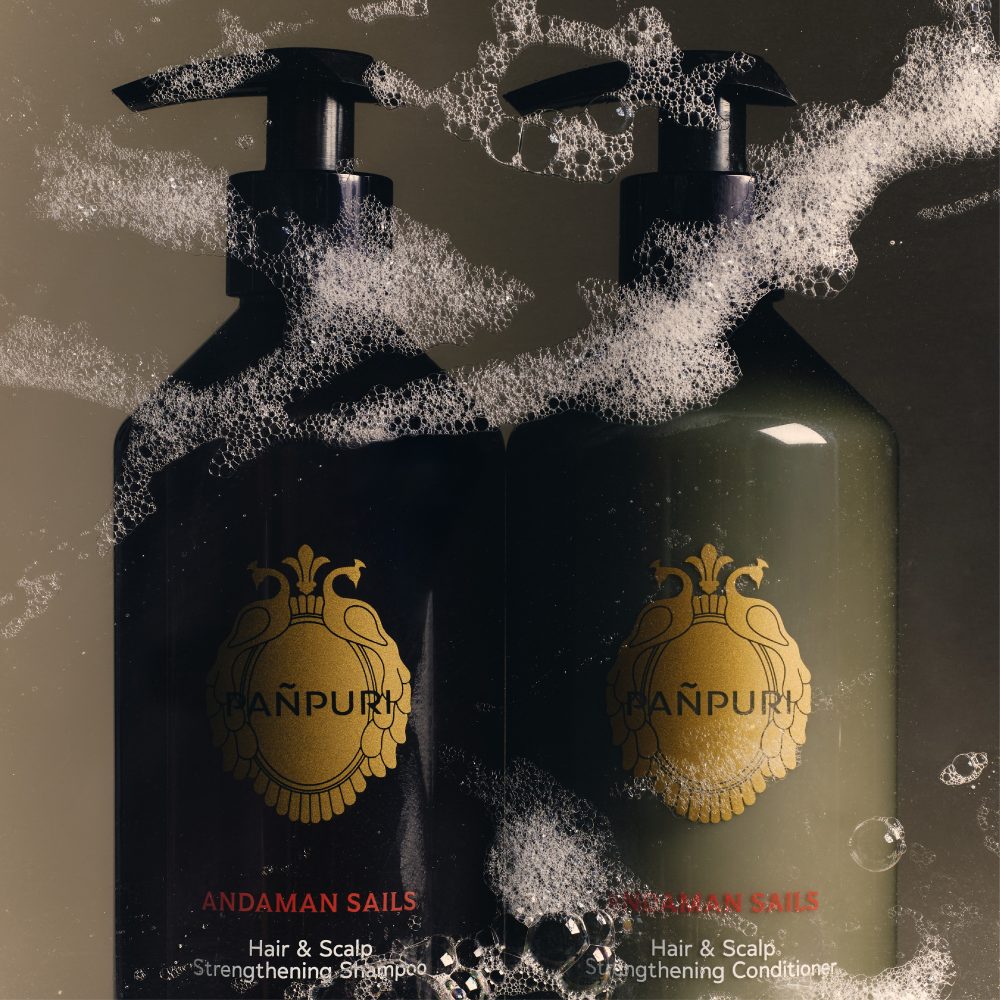
PAÑPURI’s spatial and visual identity extends beyond architecture itself. The peacock emblem, a signature visual symbol featured across its product portfolio, draws on the peacock’s symbolism in Eastern cultures, representing “purity, truth, awareness, openness and compassion” – the five moral principles upheld by the brand. The faceted glass bottle of its EXTRACT Perfume Oil takes inspiration from the tiered structures of ancient Siamese pagodas. Its classic gift packaging draws on the folding techniques of banana leaves and flower petals used in Thailand’s Bai Sri blessing ceremonies, relying entirely on handcrafted structures without glue or tape. Moving images and seasonal visual displays within the boutiques further extend the brand’s storytelling around nature and sensory experiences.
Here, consumers do more than learn about fragrance notes. They can smell and compare different scents, touch the products and understand how they are used within a physical retail environment. According to the brand, standalone boutiques currently account for approximately 85% of its sales. For a prestige fragrance brand that relies on firsthand scent discovery, product consultations and body care experiences to build consumer awareness, physical retail stores remain irreplaceable.
How Can Eastern Stories Reach a Global Audience?
In December 2024, Japanese KOSÉ Group announced the acquisition of 79.89% of the voting rights in Puri Co., Ltd., the company behind PAÑPURI, bringing it into the group. The transaction not only provided PAÑPURI with new resources for development but also highlighted international beauty groups’ growing interest in brands with distinctive regional cultural roots.
In its acquisition announcement, KOSÉ explicitly identified the introduction of brands with distinctive regional cultural characteristics as one of its globalisation strategies. By pursuing external partnerships and diversifying its brand portfolio, the group aims to meet consumer needs across different markets. For PAÑPURI, this creates opportunities to preserve its Eastern heritage while leveraging the group’s international resources to explore overseas markets further.
In recent years, PAÑPURI has gradually expanded into Hong Kong, Singapore and Macau, identifying Japan and the Chinese Mainland as key growth markets for its next phase of development. According to an earlier media interview with founder Vorravit Siripark, the brand plans to open 16 new stores across Asia in 2026 and operate more than 80 retail outlets across nine countries by 2029. By then, North Asia is expected to contribute approximately 30% of revenue, while the brand aims to achieve total revenue of nearly RMB 600 million (approximately USD 90 million).
As consumers worldwide become increasingly interested in the cultural origins and distinctive experiences behind brands, Eastern traditions are no longer merely decorative elements in product design. They can also become long-term assets that help brands differentiate themselves. However, transforming cultural narratives into genuine international competitiveness still requires a combination of product quality, continuous innovation, retail experiences and localised operations.
From the scent of jasmine petals in his grandmother’s clay jar in Bangkok to three distinctive sensorial boutiques in Shanghai, PAÑPURI has transformed its holistic wellness philosophy, rooted in Eastern traditions, into a lifestyle that contemporary consumers can understand and experience. As the brand expands further into North Asia, PAÑPURI offers a compelling case study of how prestige brands with Eastern cultural roots can compete in the global beauty, personal care and lifestyle markets.
| Image Credit: PAÑPURI
| Editor: Luxeplace